
Last updated November 22, 2026
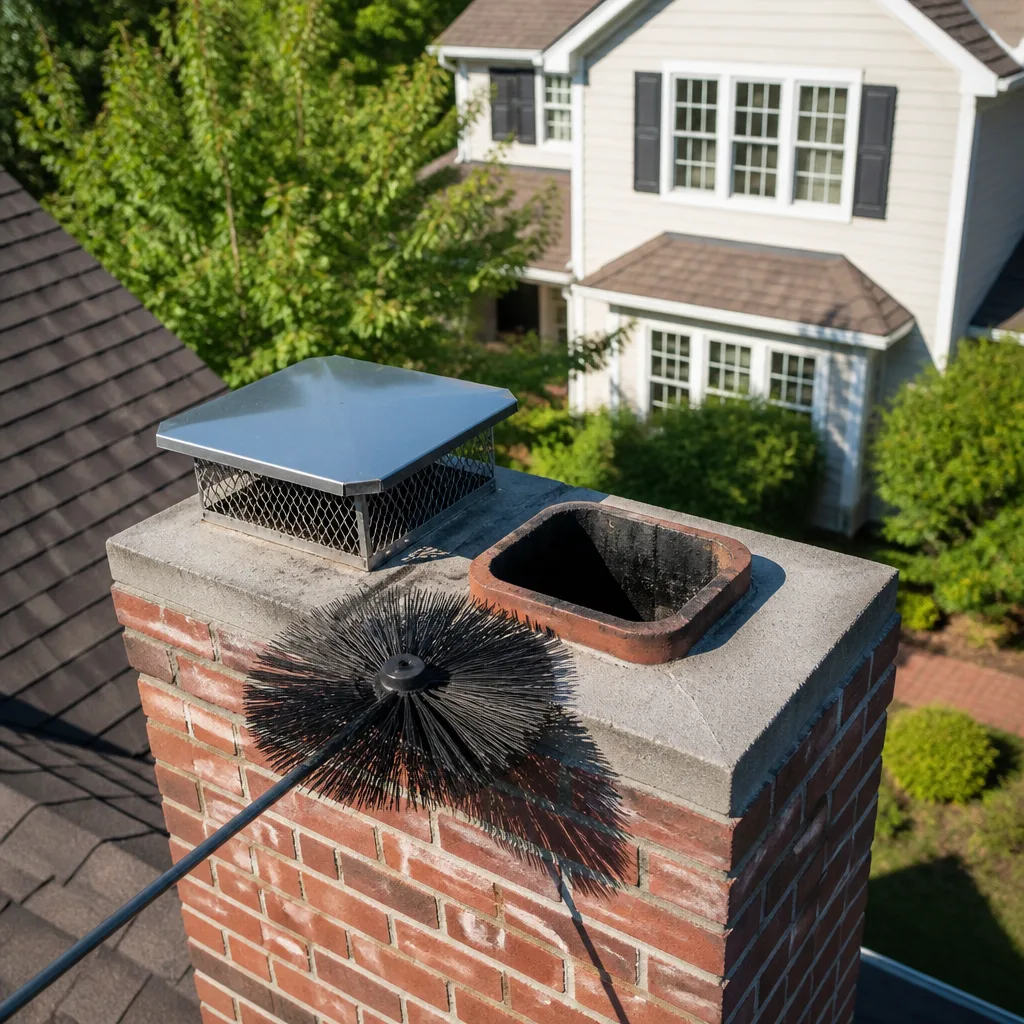 Sweep & inspection
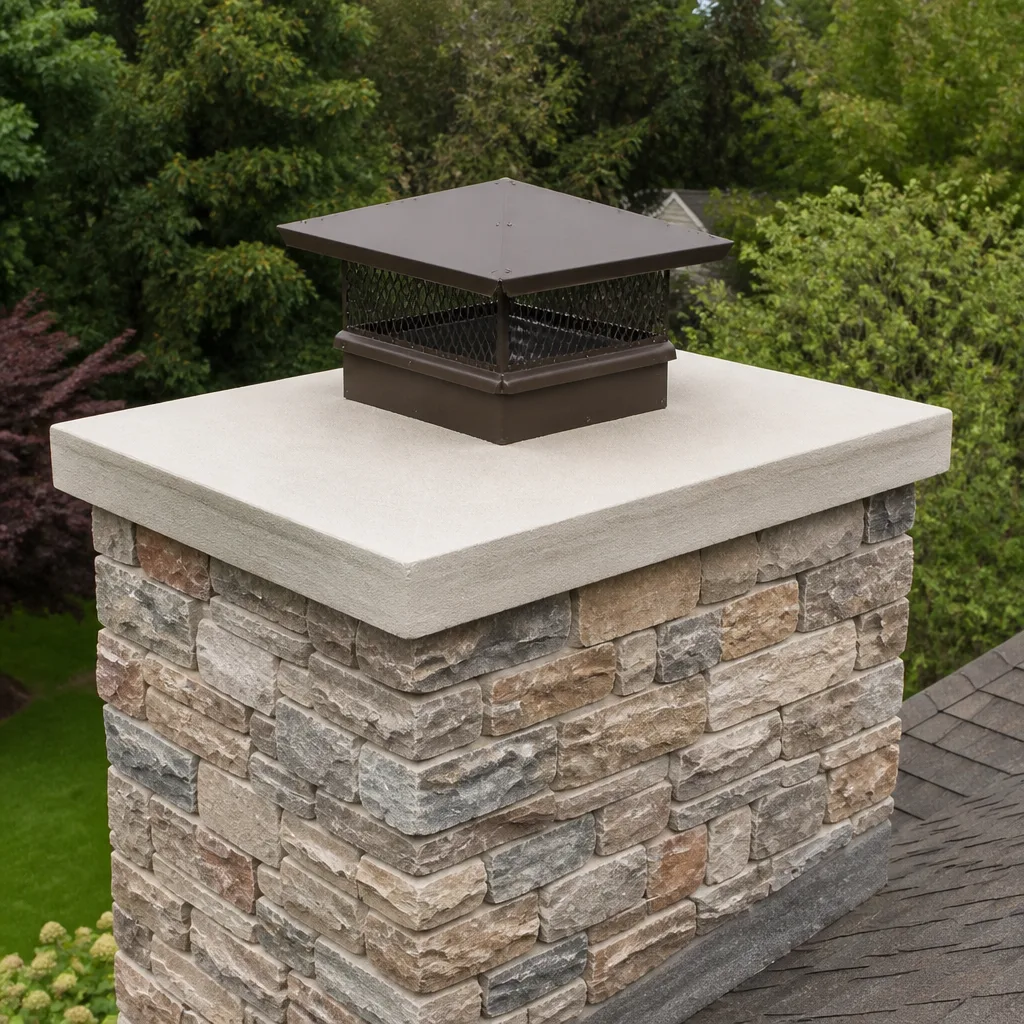 Caps & crowns
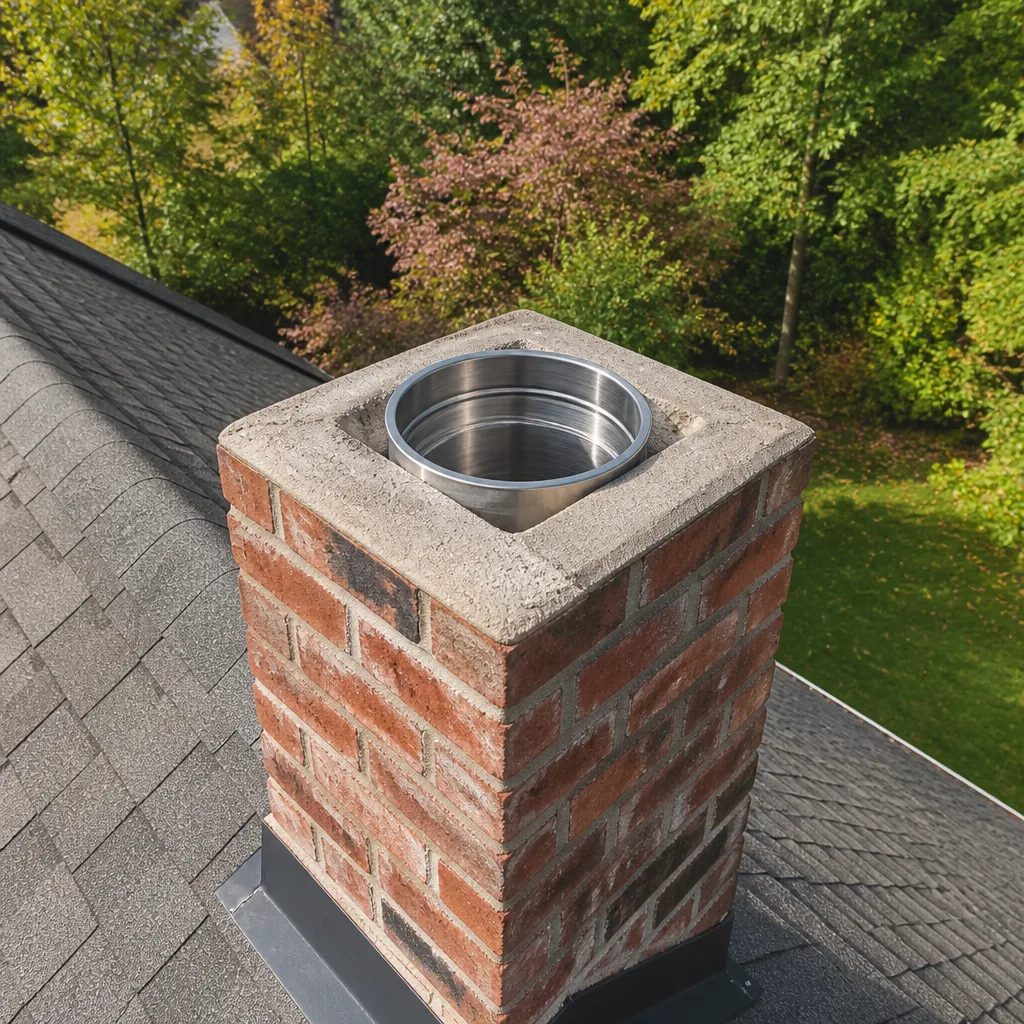 Flue relining
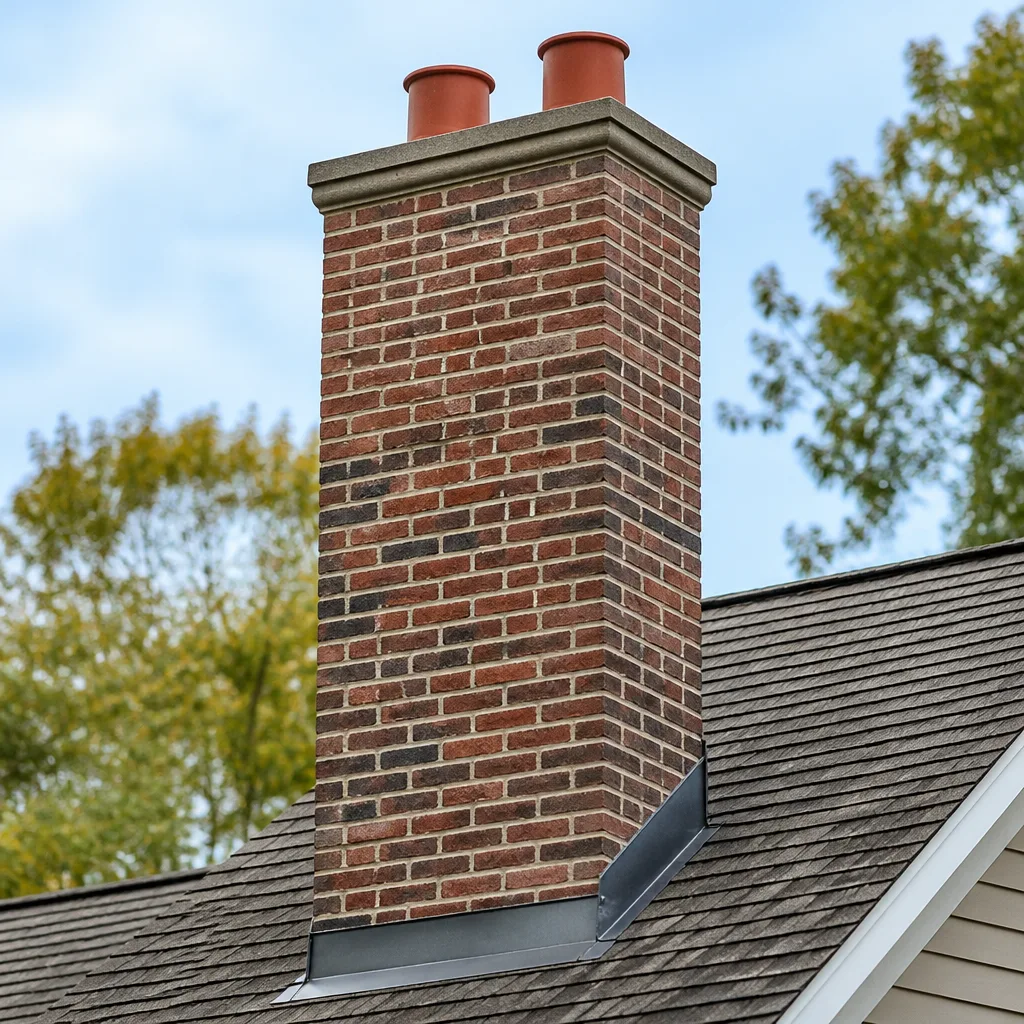 Masonry repair
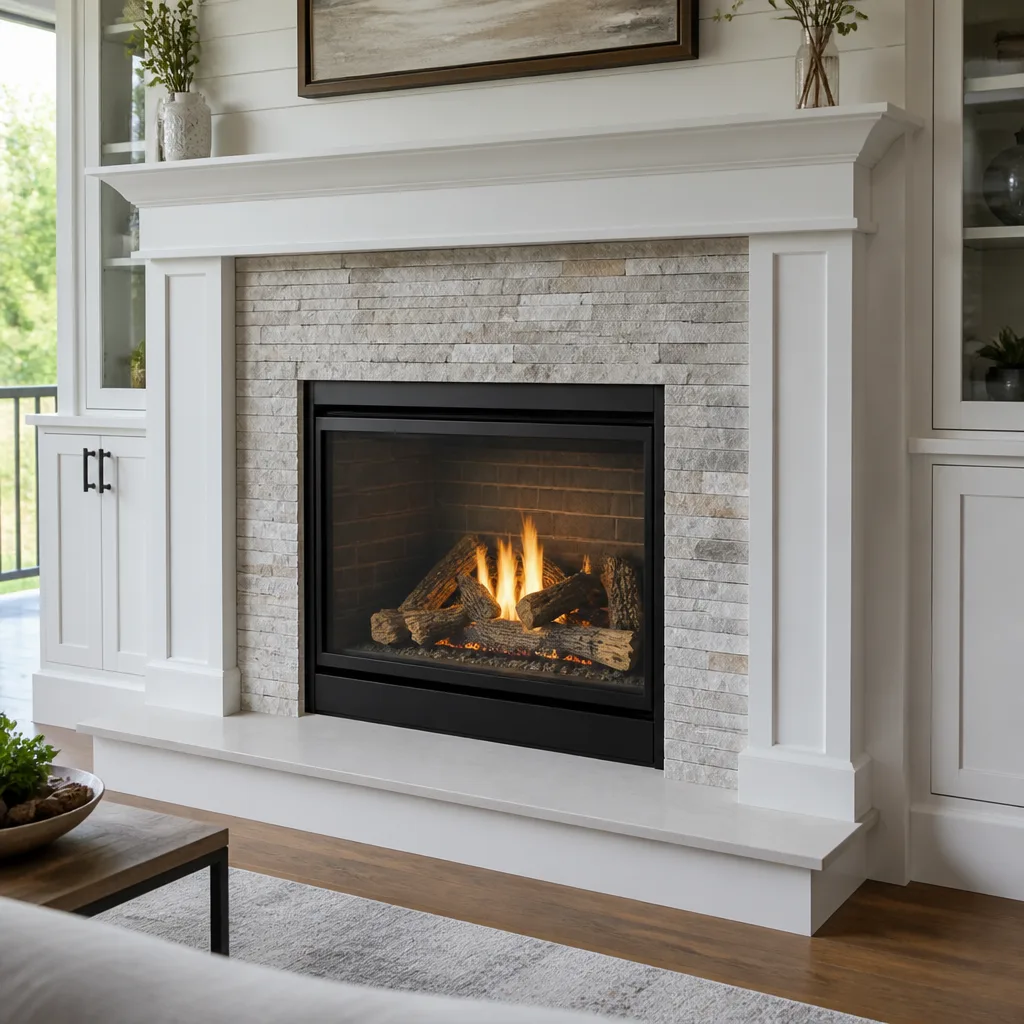 Gas fireplace service
Level 1 sweep and inspection to the NFPA 211 annual standard - flue, crown, cap, and flashing checked and photographed
Chimney sweep logs do not sweep chimneys. They loosen some creosote - which then falls where a brush and vacuum still have to collect it.
Chimney Sweep Maintenance Checklist for Lake Highlands Homeowners
Most chimney checklists tell you to “schedule an annual sweep” and leave it there. That advice is useless because it skips the only part that matters: when. A chimney in Lake Highlands lives through a specific year – mild, humid summers, a short and often intense burn season, and spring storms that drive rain sideways into caps and crowns. A maintenance calendar built for a cold-climate house doesn’t fit here. What follows is a checklist timed to how homes in this part of North Texas actually age, separated into what you can safely check yourself and what genuinely needs a technician. You’ll finish knowing what to look at in October, what to look at in March, and what a normal firebox, smoke chamber, crown, and flashing are supposed to look like so you don’t pay someone to tell you nothing’s wrong.
Quick Answer
The core chimney maintenance checklist for a Lake Highlands home is: a pre-season inspection and sweep before your first fire in the fall (October is the natural window), a post-season inspection after your last fire (March), a visual check of the cap, crown, and flashing after any significant spring storm, and a quick homeowner-level look at the firebox and damper every few weeks during burn season. Wood-burning and gas systems follow different checklists, and the big items – liner condition, smoke chamber, crown integrity – should be evaluated by a technician, not guessed at.
Styles & brands we work with
- Sweep & inspection
- Caps & crowns
- Flue relining
- Masonry repair
- Gas fireplace service
Table of Contents
- Why Timing Beats Frequency on a Chimney Checklist
- The Lake Highlands Month-by-Month Chimney Calendar
- What You Can Safely Check Yourself
- What Requires a Technician
- What “Normal” Looks Like at the Firebox, Smoke Chamber, Crown, and Flashing
- Gas Inserts vs. Wood-Burning: Two Different Checklists
- Keeping a Chimney Service Log (and Why It Matters at Resale)
- Storm-Season Checks Specific to Lake Highlands
Why Timing Beats Frequency on a Chimney Checklist
A chimney doesn’t accumulate creosote on a calendar. It accumulates it when you burn. That single fact changes how you should think about maintenance in Lake Highlands, where the burn season is short but can be heavy during the handful of genuinely cold weeks. A household that lights twenty fires between November and February has a different deposit profile than one that lights three. So “once a year” isn’t actually the right instruction; “once a burn season, at the right point in the season” is.
There’s a second timing issue specific to this area: storms. Lake Highlands sits in a part of North Texas where spring severe weather is a real seasonal event, and chimney caps and crowns take the worst of it. Wind-driven rain finds every gap at the cap, every hairline crack in the crown, every loose flashing edge. A chimney that was watertight in November can be letting moisture into the smoke chamber by April. If your only chimney contact of the year happens in the fall, you may not discover that until the following October – a full humid summer later.
That’s the case for a two-touch calendar: a pre-season pass in fall and a post-season pass in spring, with light homeowner checks in between. The point isn’t more service visits. It’s the right service visit at the right moment.
In our experience, the homeowners who get the most value out of a chimney program aren’t the ones who sweep most often. They’re the ones who inspect at the right two moments and know what they’re looking at the rest of the year. If you want the foundational overview of how a sweep works, the chimney sweep page covers that from the ground up.
The Lake Highlands Month-by-Month Chimney Calendar
This is the skeleton of the whole guide. The months below reflect how a typical Lake Highlands chimney year should flow. Adjust the exact weeks to your own burn habits, but keep the sequence.
- September – book your fall inspection early. Fall calendars fill as the first cool fronts approach. Getting on the schedule in September means your sweep happens before you need the fireplace, not after.
- October – pre-season inspection and sweep. This is the big one. A technician evaluates the flue, smoke chamber, damper, cap, and crown, removes any creosote built up from the prior season, and flags repairs that should happen before you burn. Chimney inspection in October gives you a full burn season of confidence.
- November through February – light homeowner checks. During active burning, look at the firebox and damper regularly. Note any change in draft, smell, or smoke behavior. These are the weeks when you’d rather catch a problem early than after the holidays.
- March – post-season inspection. Once you’ve had your last fire, a technician checks what the burn season did to the flue and the firebox. This is also when small creosote issues are cheapest to address.
- April through May – storm-season checks. After any significant severe-weather event, do a homeowner-level look at the cap, crown, and flashing from the ground. If anything looks off, book a technician check.
- June through August – repair window. If your inspection turned up cap, crown, or liner work, summer is the natural time to do it. No burn season is in progress, weather is dry, and the repair is settled long before fall.
That’s the whole year in one sequence. The rest of this guide fills in what actually happens during each step, starting with what homeowners should and shouldn’t be checking themselves. Our technicians have up to 8 years of experience on chimneys across this area, and the pattern above is the one that reliably keeps a Lake Highlands chimney clean, dry, and ready.
What You Can Safely Check Yourself
You shouldn’t be climbing on your roof to inspect a chimney, and you shouldn’t be reaching into a flue. But there’s a real list of things you can and should check safely from the ground or from inside the house, and it saves you money when you do. Every item below is visual, non-invasive, and doesn’t require tools. A flashlight helps. Binoculars from the yard help more.
Homeowner-level checks, done from the ground or the room:
- The cap from the yard. Look for a whole cap sitting flat and level, no obvious tilt, no visible holes in the mesh, no rust-through on the top plate. If the cap looks intact and seated, that’s normal.
- The crown edge. The crown is the concrete or masonry slope at the very top of the chimney that sheds water away from the flue. From the ground, a normal crown has clean, intact edges and drains away from the flue. Cracks, missing pieces, or a slope that looks flattened are worth a technician look.
- Flashing. The metal flashing where the chimney meets the roof is a common source of leaks. From the ground, you can usually see if it looks lifted, torn, or has clearly pulled away from the chimney sides.
- The damper inside the firebox. Open and close it. It should move smoothly and seal the firebox when closed. A damper that sticks open, won’t close fully, or feels loose is a repair candidate.
- The firebox walls. Look for loose brick, crumbling mortar, or white chalky staining. Light soot is normal. Missing mortar joints or a soft, eroding surface inside the firebox is not.
- Creosote visible at the smoke shelf area. With a flashlight, look up from the firebox through the damper. A light, dusty, or flaky coating is typical. A thick, shiny, tar-like coating means it’s time for a sweep.
- Draft and smoke behavior. A fire that doesn’t draw well, smoke that rolls into the room when you first light it, or a fireplace that suddenly smells smoky when it isn’t in use. These are signals, not diagnoses – but they’re your signals to book an inspection.
The rule of thumb for all of these: if a check requires a ladder, a roof, or reaching into the flue, it’s a technician item. The items above are the ones that produce useful information without risk.
What Requires a Technician
Everything on this list needs tools, training, and in some cases a camera. This is where the value of a specialist visit lives. A chimney inspection in Lake Highlands isn’t a formality – it’s how small problems surface before they become expensive ones. There are three recognized inspection levels, and a good technician tells you which one your situation calls for.
Technician-required items, in plain terms:
- Flue liner condition. Every flue has a liner – clay tile, metal, or a resurfaced system. Cracks, gaps, and missing joints in a liner are not things you can see from inside the room. A trained eye with a camera can.
- Smoke chamber. The sloped space above the damper where smoke gathers before it goes up the flue. It develops rough surfaces where creosote clings. It also can develop cracks that a homeowner can’t see. Cleaning and evaluating it requires being on the roof or working through an access point.
- Crown integrity. What looks like a hairline crack from the yard may be a structural split when viewed up close. A technician checks whether the crown still sheds water correctly and whether it has separated from the flue.
- Cap attachment. A cap that looks fine from the yard may be poorly secured, undersized, or missing a spark arrestor. Attachment and fit get checked up close.
- Flashing and roof interface. Depending on the chimney type, the flashing and the roofline joint may need inspection at the roof level. Shingle and step-flashing deterioration often shows only up close.
- The firebox and damper assembly. What’s repairable and what needs rebuilding is a judgment call. Fireplace repair decisions come from a technician’s hands-on look, not a homeowner’s flashlight beam.
- Liner resurfacing and relining decisions. When a liner has deteriorated beyond cleaning, the question becomes whether to resurface or reline. HeatShield resurfacing and DuraFlex or Olympia Chimney flexible liner systems are the professional options. This is squarely in technician territory.
Splitting the checklist this way matters. A homeowner who does the visual checks in the previous section arrives at the technician visit already knowing what looks off, which makes the appointment sharper and often shorter. A homeowner who skips them arrives with less context. Either way, the technician visit is where the real evaluation happens.
What “Normal” Looks Like at the Firebox, Smoke Chamber, Crown, and Flashing
This is the section that makes a checklist usable. Knowing a chimney needs attention is only half the story – the other half is knowing what a chimney that doesn’t need attention actually looks like. Here’s a reference for the four zones that matter most.
Firebox
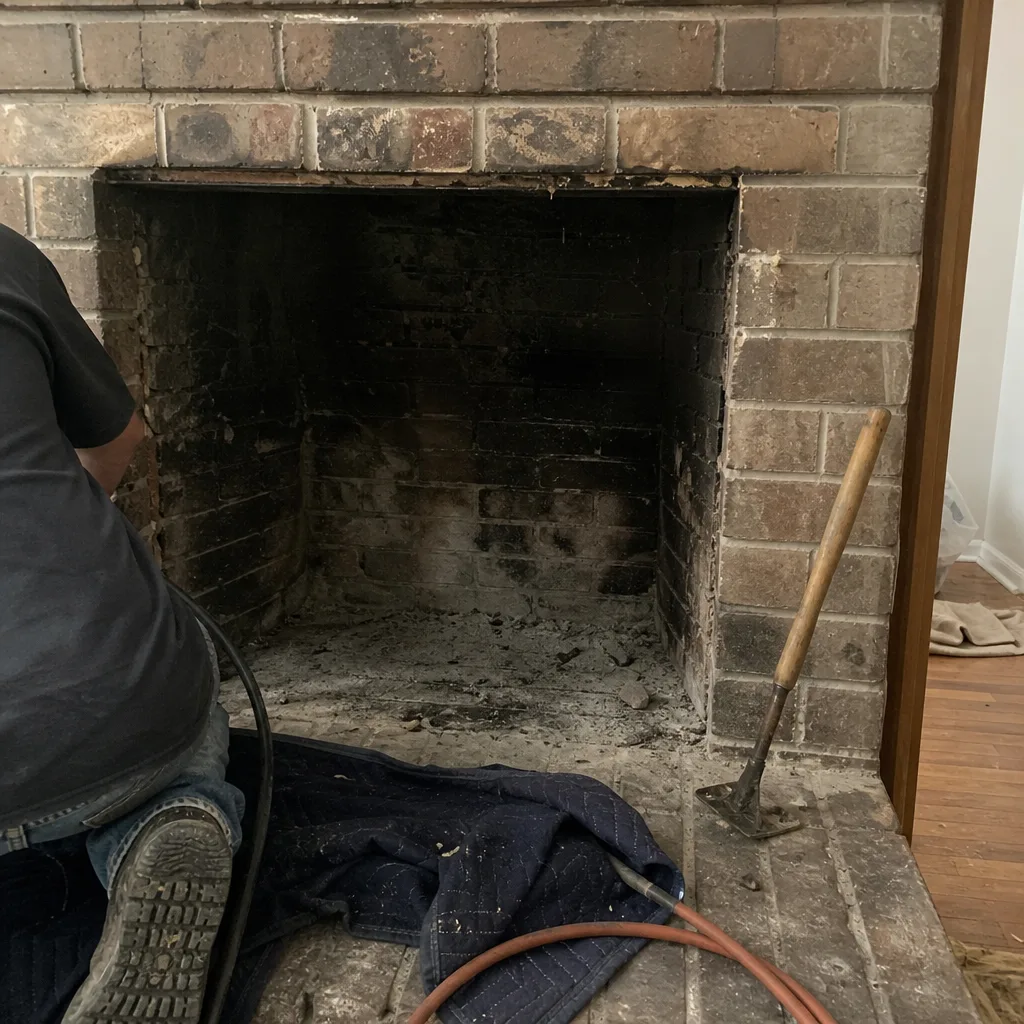
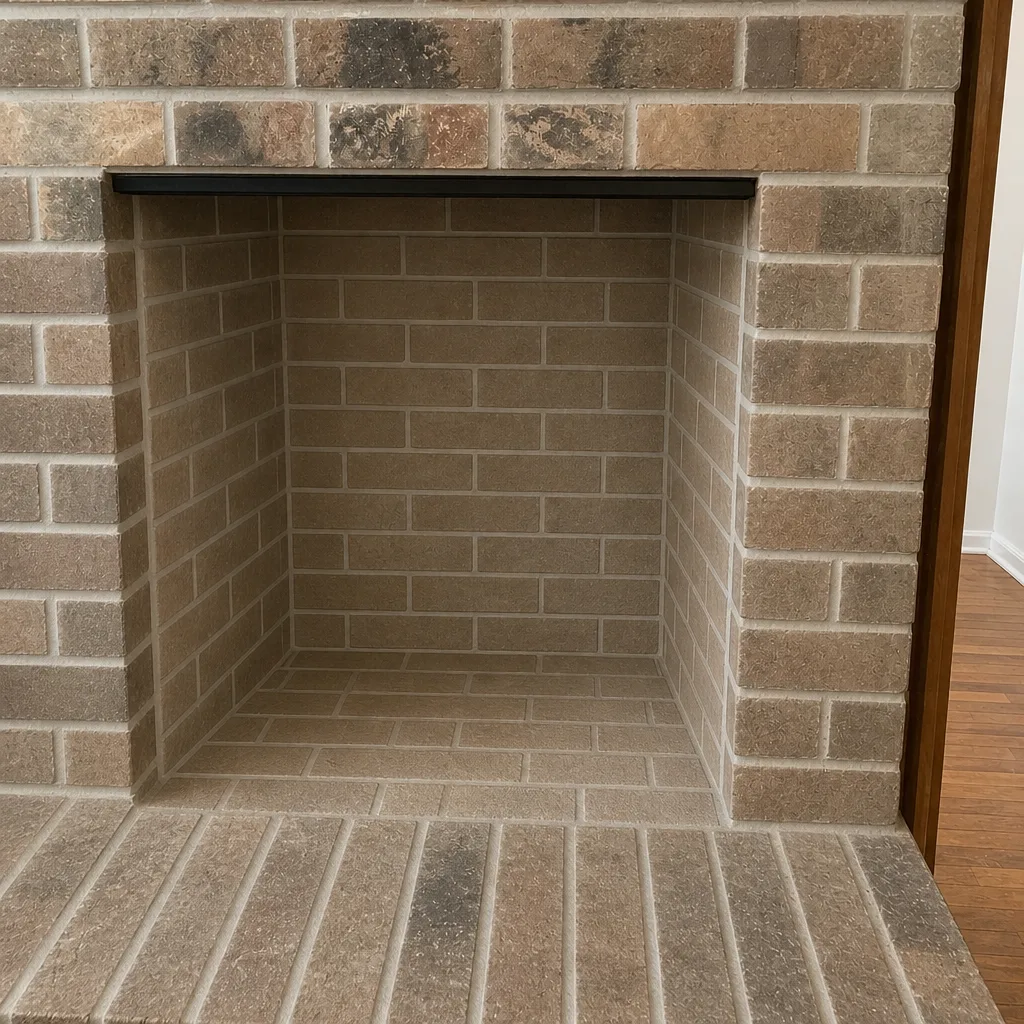
A healthy firebox has solid brick or panels with tight mortar joints, no loose pieces, and no soft or crumbling surface. Soot and light discoloration are expected. What warrants a call: a mortar joint that’s hollowed out, a brick face that’s spalling or flaking, white chalky deposits on the firebox walls, or any crack that goes deeper than the surface.
Smoke Chamber
You won’t see most of it from the firebox, but from the firebox looking upward, a normal smoke chamber looks smooth, sloped, and clear. What warrants a call: a rough, uneven surface that catches creosote, visible gaps, or a smoke shelf that looks like it’s collapsed. A smooth smoke chamber moves smoke efficiently; a rough one gathers creosote faster and is harder to sweep clean.
Crown
A normal crown is a solid, sloped cap of concrete or masonry at the top of the chimney, with the flue rising through it. It should slope outward so water runs off. Its edges should be intact. What warrants a call: visible cracks wider than a hairline, pieces missing at the edge, or a crown that’s visibly separated from the flue. A compromised crown is the most common way water finds its way into a chimney here.
Flashing
Normal flashing is a metal collar or step system seated tight against the chimney and woven into the roof. No lifting, no tearing, no gaps at the chimney sides. What warrants a call: any visible gap, lifted edge, torn metal, or tar-patched area that has cracked. Flashing is a common leak source, and it’s easy to miss from the ground if you aren’t looking for it.
If you take one thing from this section, let it be the principle: a chimney doesn’t fail suddenly. It fails in stages, and every stage has a visual signature. Our technicians check all four of these zones on every inspection because missing one is how a small problem gets a full season to grow. If your inspection turns up liner work, HeatShield resurfacing and the trade-standard liner systems we work with are the tools that solve it.
Gas Inserts vs. Wood-Burning: Two Different Checklists
Generic maintenance guides collapse gas and wood fireplaces into one checklist. That’s a mistake. A gas insert and a wood-burning fireplace share a chimney but nothing else about how they’re maintained, and treating them the same leads to either wasted service or missed issues. Here’s the breakdown.
Wood-Burning Fireplaces
- Creosote accumulation matters most. Wood smoke deposits creosote on the flue walls, and that deposit is what a sweep removes. Frequency depends on how much you burn and how you burn it.
- The firebox and smoke chamber get direct attention. Brick and mortar at the firebox, and the sloped smoke chamber above the damper, both take heat and creosote and need periodic evaluation.
- The damper is mechanical and moving. It opens and closes with every fire and wears out over time. It’s worth checking at the start of every burn season.
- Seasonal timing is critical. The fall sweep and the spring inspection both matter because creosote and rainwater can interact over a humid summer.
Gas Inserts and Gas Logs
- Creosote is not the main concern. Gas doesn’t produce the same deposit. A gas insert’s chimney tends to accumulate debris, bird nests, and dust rather than creosote.
- Venting and combustion matter more. The venting system for a gas insert has to be clear and correctly connected. Blockages are the primary concern, and they’re not something you can see from below.
- The firebox interior takes a different kind of wear. Gas logs and inserts produce moisture, and the surrounding metal or masonry reacts differently than a wood firebox does. Rust and corrosion checks matter more than creosote checks.
- Annual inspection is still worth it. Even without creosote, a gas chimney can clog, develop a leak, or lose cap integrity. An annual check is cheap insurance on a unit that runs more hours per year than most wood fireplaces do.
The practical takeaway: if your home has both a wood-burning fireplace and a gas insert, they need separate evaluations. A gas insert passed as “clean” doesn’t tell you anything about a wood chimney, and the reverse is also true.
Keeping a Chimney Service Log (and Why It Matters at Resale)
A chimney service log is a simple written record of what was done, when, and what was found. It takes five minutes to start and it pays off twice: once in your own decision-making and once when you sell your home. Chimney work is not the kind of thing buyers want to take on faith, and a documented history removes ambiguity from the conversation.
What to record, at minimum:
- Date and service. Which service was done – sweep, inspection, cap, crown, fireplace repair – and by whom.
- Findings. What the technician found. A note like “minor creosote, no liner issues” is enough. If something is flagged as worth watching, write it down and track it.
- Repairs done and materials used. If a cap was replaced or a liner was resurfaced, note the product. Names like DuraFlex, HeatShield, Gelco, Olympia Chimney, and Famco mean something to a future buyer’s inspector and to a future technician who works on the same chimney.
- Next recommended service. If the inspection notes a follow-up, log the date so it doesn’t get lost.
- Photos if available. A camera-inspection report or photo of the crown and flashing at the time of service is a strong asset at resale.
Why this matters specifically in Lake Highlands: this is a resale-conscious neighborhood where buyers and their inspectors ask pointed questions. A chimney with a clean service history and documented repairs is easier to price and easier to close. A chimney with no records invites a full inspection before close, which is exactly the moment you don’t want a surprise. A simple notebook or spreadsheet is all you need. The format doesn’t matter – the habit does.
Storm-Season Checks Specific to Lake Highlands
Lake Highlands sits in a part of North Texas that gets real spring severe weather – wind, driving rain, occasional hail. Chimneys are exposed to all of it. The most common storm-related chimney problem here isn’t a dramatic failure; it’s water intrusion that starts small and works its way in over weeks.
After any significant spring storm, walk outside and look at the chimney from a safe distance. Do a quick check:
- Cap intact? Top plate seated, mesh in place, no visible tilt or missing pieces.
- Crown edges? Any new cracks, missing chunks, or visible separation from the flue.
- Flashing? Lifted edges, torn metal, or new gaps at the chimney sides.
- Inside signs. Water stains on the damper or smoke shelf, a musty smell from the firebox when it isn’t in use, or dampness on nearby ceiling and wall surfaces.
If any of these turn up, book an inspection rather than guessing. Water in the smoke chamber or around the damper is easy to dismiss as “just a bit of rain” and easy to regret when it has had a whole humid summer to work. Cap and crown work is preventive medicine here, and it’s the reason chimney cap & crown service is one of our most common spring appointments. The goal isn’t to sell you a cap you don’t need. It’s to catch a real leak at the top before it becomes a repair inside the house.
Common Mistakes to Avoid
- Waiting until the first cold snap to book a sweep. By then, fall schedules are full and you’re either burning a dirty chimney or skipping the season. Book in September for an October appointment.
- Treating the annual sweep as the whole checklist. A sweep clears creosote. It doesn’t check the crown, flashing, or cap unless the visit includes inspection. Make sure your appointment is an inspection plus sweep, not a sweep alone.
- Skipping the spring inspection because the fireplace is “done for the year.” March is when a technician catches what the burn season left behind and gives you a full storm season to fix it before it becomes water damage.
- Assuming a gas insert needs the same care as a wood fireplace. Or the reverse. Gas and wood systems fail differently, and a checklist written for one doesn’t cover the other.
- Patching flashing or crown cracks with caulk or tar. These products fail fast under Texas sun and rain, and they mask the problem from the next inspection. A repair done right holds; a patch buys a few months and then costs more.
- Relying on the previous owner’s word about the chimney. Without a service log, “the chimney was inspected” is a claim, not a record. Get your own inspection before the first burn season in a new home.
- Ignoring small changes in how the fireplace behaves. A fireplace that drafts differently than last year, or that smells smoky when it isn’t burning, is telling you something. Book an inspection rather than waiting for a bigger sign.
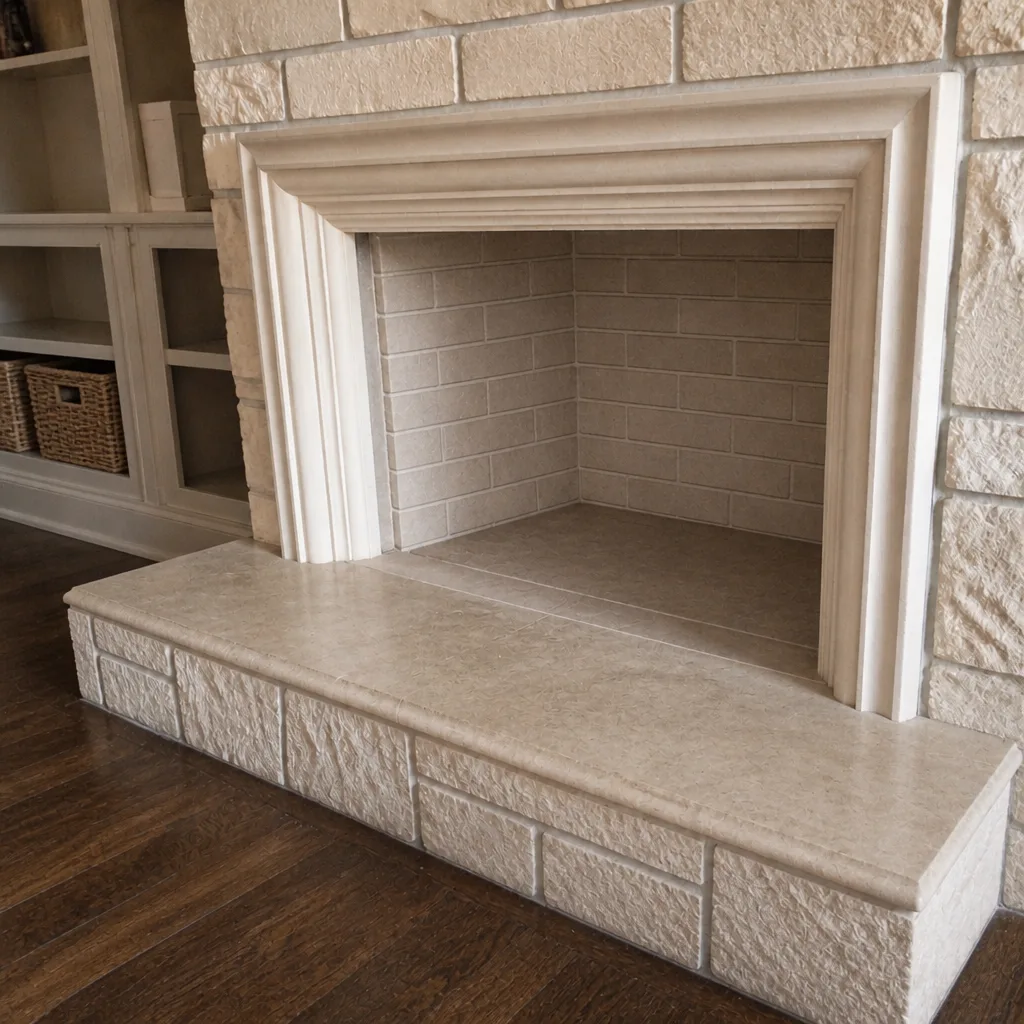
See the difference
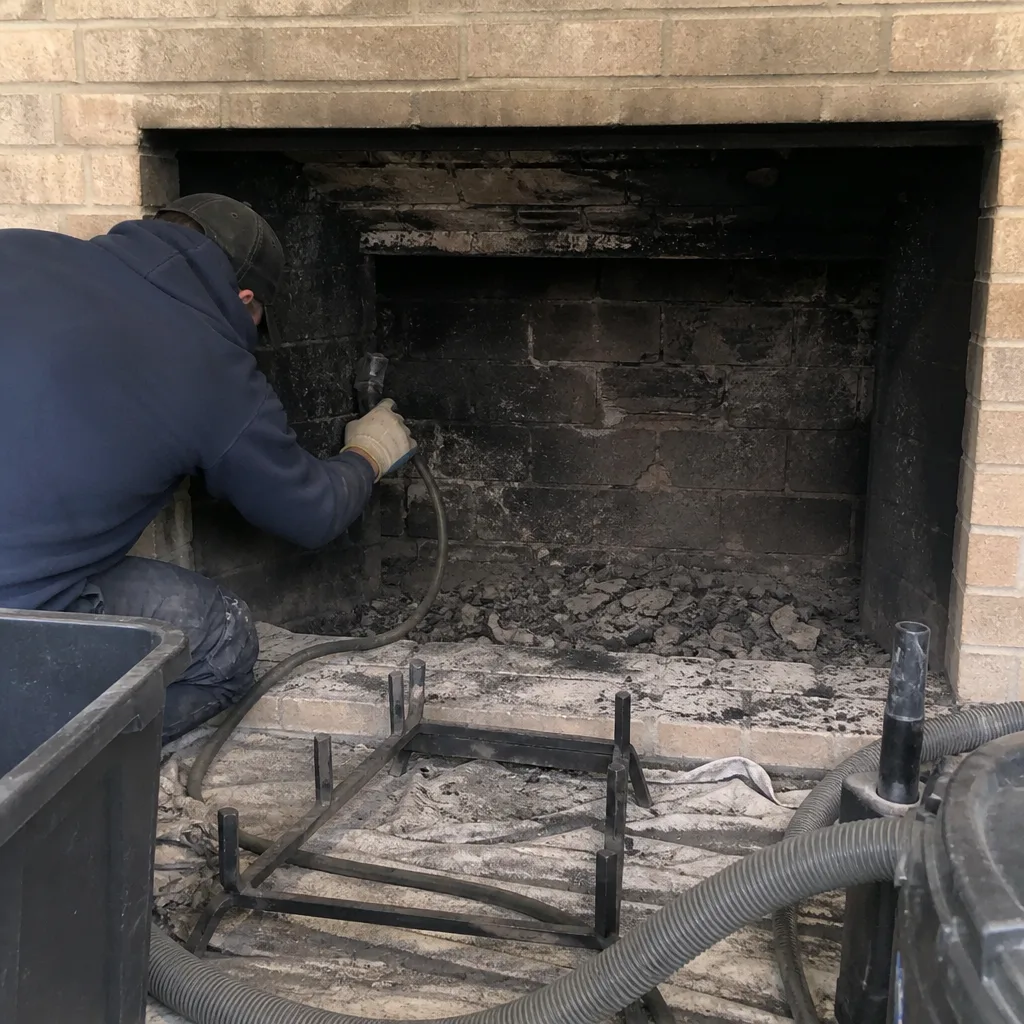 Before
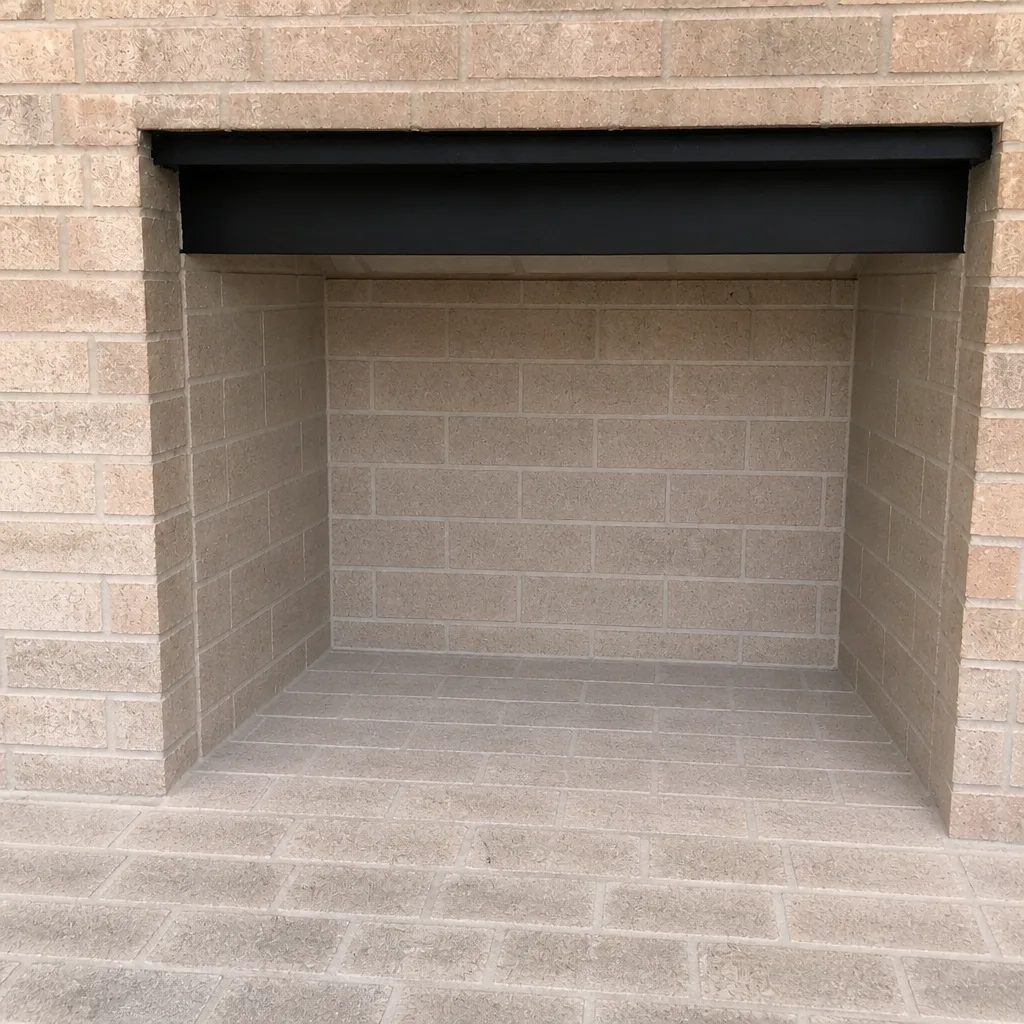 After
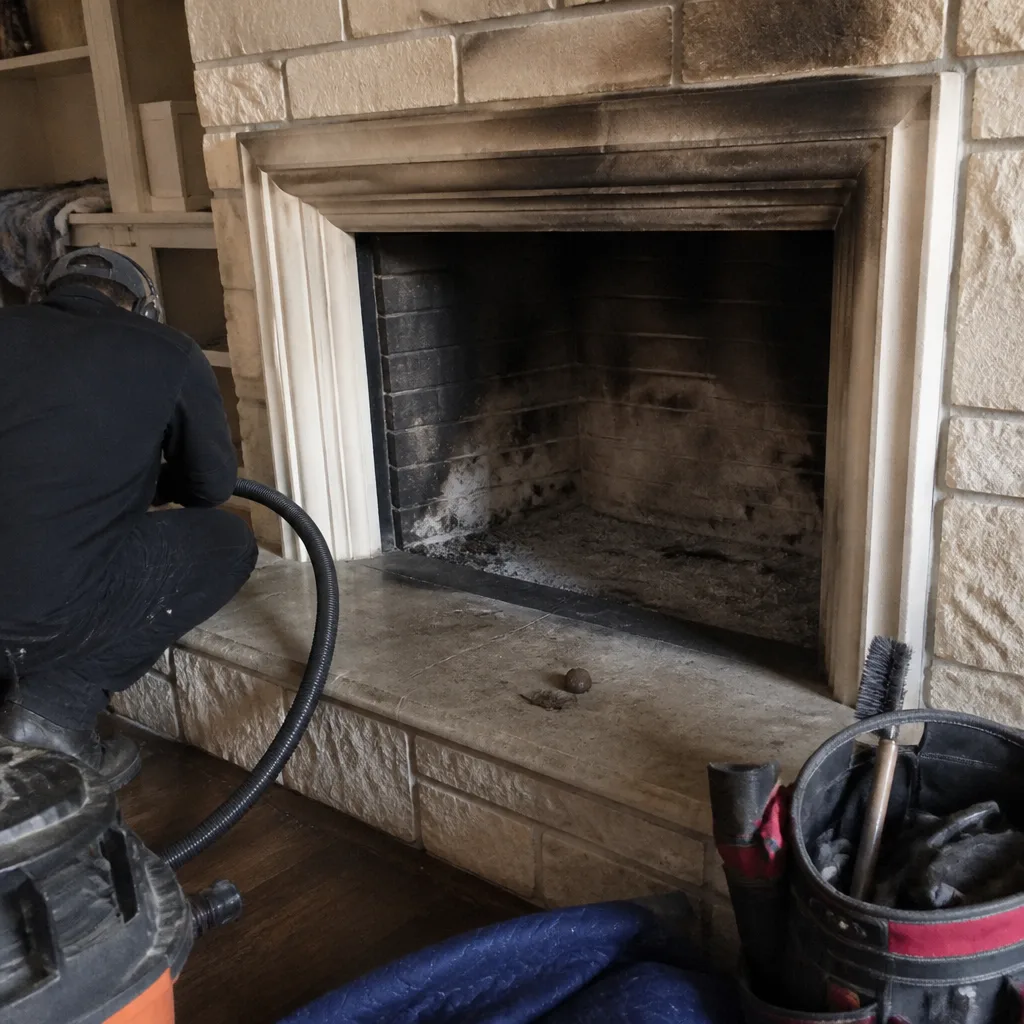 Before
 After
 Before
 After
When to Call a Professional
Most of the homeowner-level checklist above is about staying informed. The professional-trigger list is shorter and more specific. Call a professional when: your flashlight shows a thick, shiny, tar-like coating inside the flue; you see cracks in the crown, missing pieces, or a crown that looks separated from the flue; your flashing looks lifted or torn; you notice water staining around the damper or a musty smell from the firebox when it isn’t in use; the damper sticks or won’t seal; or your fireplace drafts differently than it used to. Call immediately if you smell gas at a gas insert. And call before your first burn season in a new home so you know what you’re starting with. A licensed chimney technician should evaluate every item above – none of it is worth a homeowner’s guess on a ladder.
Chimney Sweep Lake Highlands offers free estimates in Lake Highlands – call (833) 508-9984. We answer 24/7. Fast dispatch from 7am to 7pm, Sunday through Friday. You’ll get a written estimate with line-item findings from a camera inspection, so nothing gets recommended without evidence you can see for yourself.
Frequently Asked Questions
Once per burn season is the standard baseline, and the practical rule is: sweep at the end of any season where you burned enough wood to accumulate visible creosote. If you burn a lot, that’s every year. If you light a handful of fires per winter, an inspection may confirm that a sweep can wait a season – but don’t assume that without looking. Call (833) 508-9984 for a free estimate on a sweep or inspection.
October for the pre-season inspection and sweep, and March for the post-season inspection. October gets you a clean, evaluated chimney before your first fire. March catches what the burn season left and gives you storm season to fix any water intrusion issues before summer. Book in September for October, and in February for March, because both windows fill.
You need a new liner only when the liner itself has deteriorated beyond what can be safely cleaned or resurfaced, and a technician should show you the camera evidence before recommending one. Many liners that look suspect from the ground can be resurfaced with a system like HeatShield rather than fully replaced, which is one reason a sweep-only company may not give you the full picture. Ask to see the camera report before you decide. Call (833) 508-9984 for a free estimate.
A gas insert needs an annual inspection even without creosote, because debris, bird nests, and venting issues are the primary concerns and they aren’t visible from the firebox. If the flame pattern has changed, the insert smells when it runs, or you notice soot at the logs, book a technician. Call (833) 508-9984 for a free estimate.
Skipping one year is rarely catastrophic, and a technician can usually tell you honestly whether the chimney is in a safe-to-wait state. What’s not safe to do is skip indefinitely, because creosote and water intrusion both compound quietly. The crown and flashing that held up last spring may not have survived a storm this spring, and the firebox that was solid two seasons ago may now have loose mortar. An inspection tells you where you stand. Call (833) 508-9984 for a free estimate.
Yes – a documented chimney history removes a common source of friction at resale, because buyers and their inspectors ask specifically about it. A simple log of services, findings, and products used (including trade brands like DuraFlex, Olympia Chimney, Gelco, or Famco) gives a buyer confidence and shortens the repair conversation. If you don’t have a log from previous owners, your first inspection becomes the start of one.
The Bottom Line
A chimney maintenance checklist for Lake Highlands comes down to three moves: inspect and sweep in October, inspect again in March, and check cap, crown, and flashing after every significant spring storm. Homeowner-level checks at the firebox and damper keep you informed between visits; liner, smoke chamber, crown, and flashing integrity belong to a technician. Gas and wood systems need separate checklists. Documentation of everything makes the chimney easier to trust at resale. Our technicians have up to 8 years of experience and work with professional-grade products including DuraFlex, HeatShield, Gelco, Olympia Chimney, and Famco, so the full scope – firebox to cap – is handled without a referral. If you’re starting from zero, Chimney Sweep Lake Highlands is the place to begin.
Call (833) 508-9984 for a free estimate. We answer 24/7. Fast dispatch from 7am to 7pm, Sunday through Friday. You’ll get a written estimate based on what the inspection actually finds, not what a checklist told us to charge.
Written by the team at Chimney Sweep Lake Highlands.