
Last updated November 22, 2026
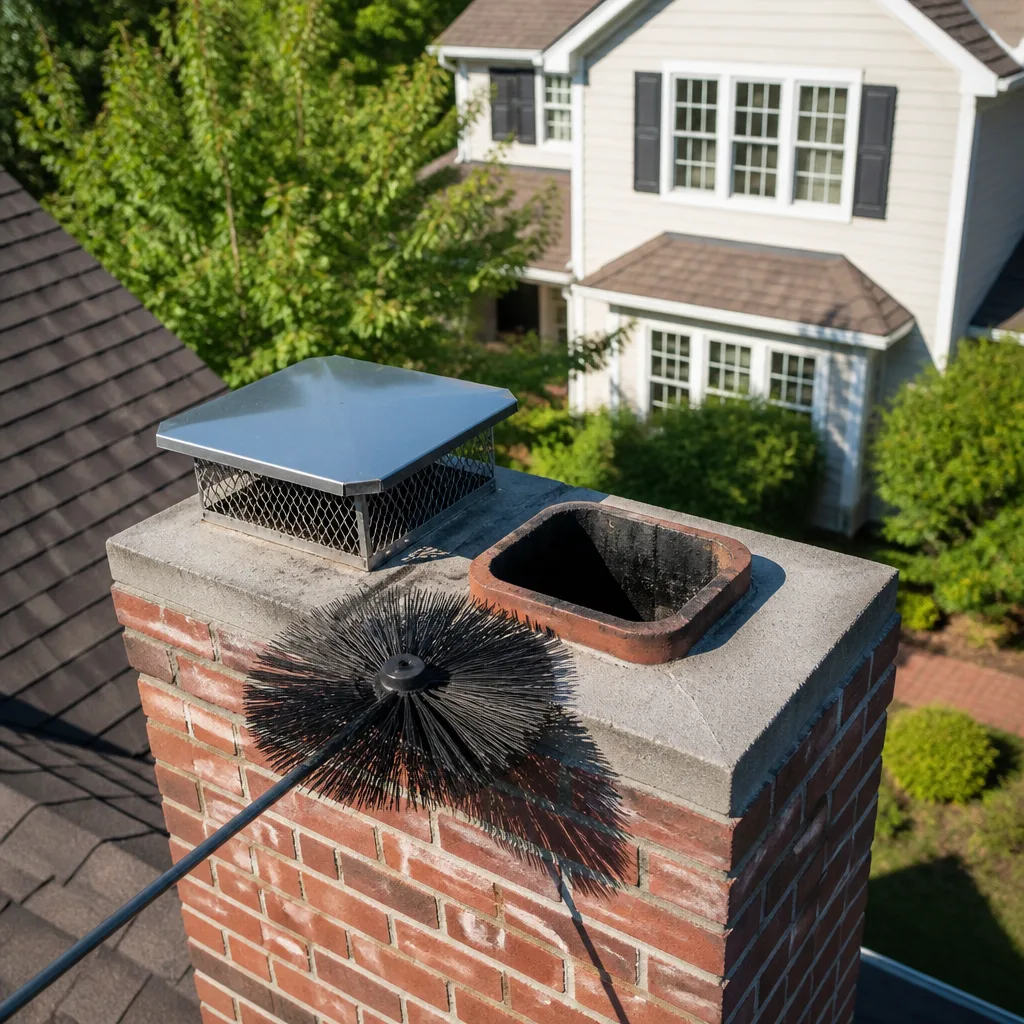 Sweep & inspection
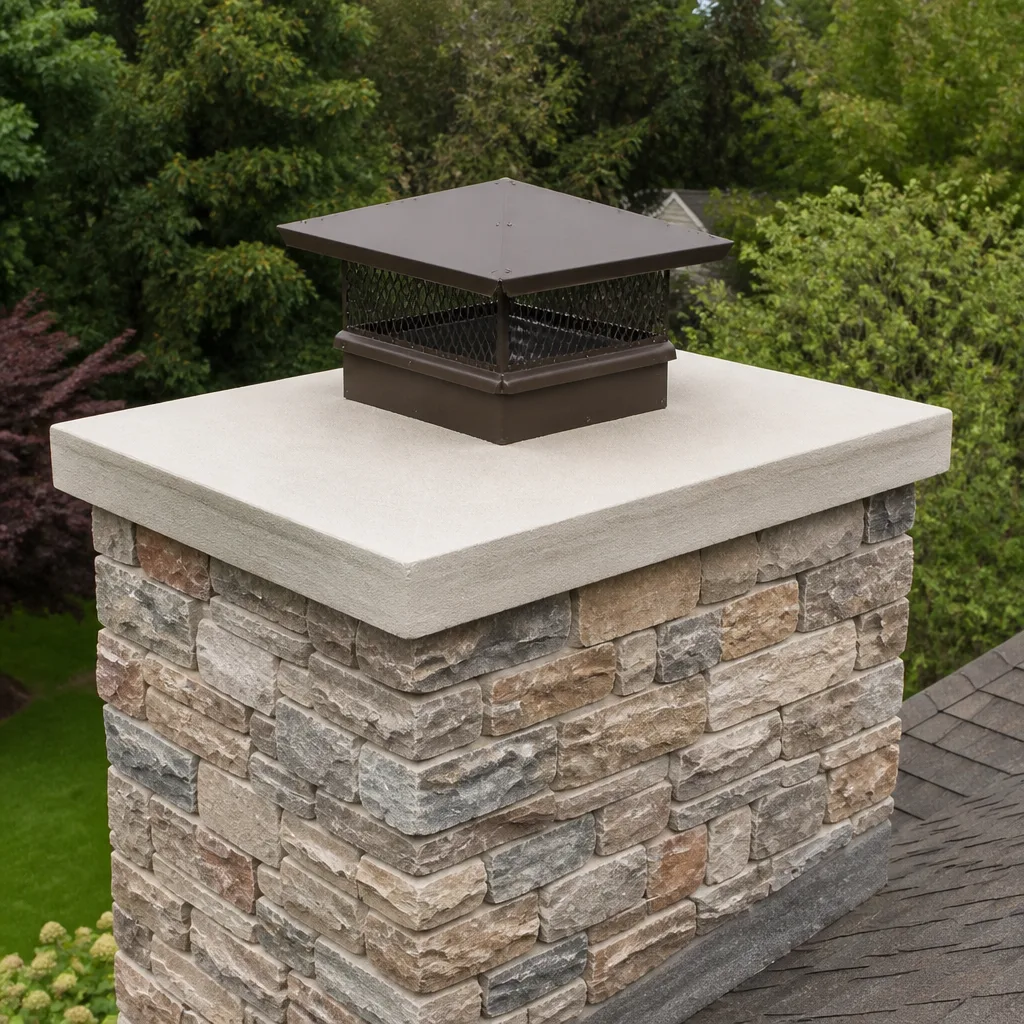 Caps & crowns
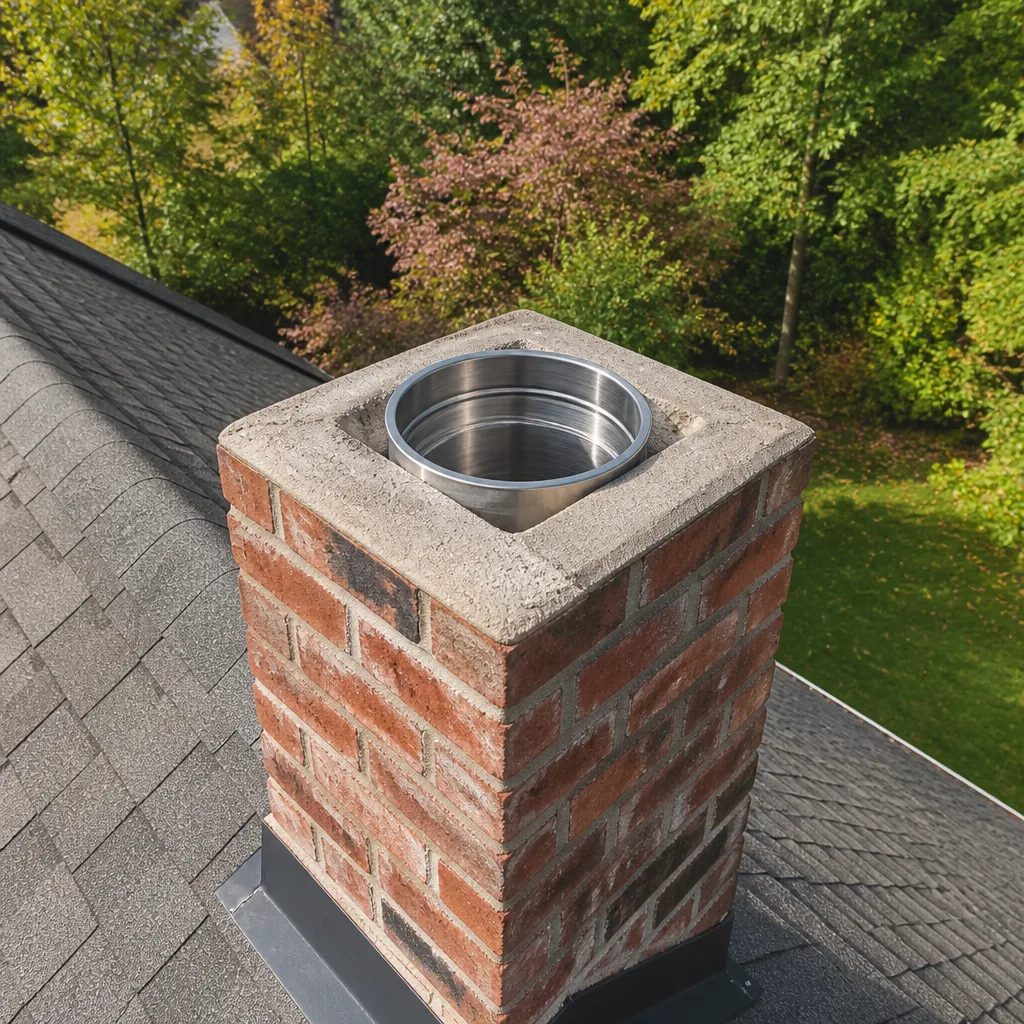 Flue relining
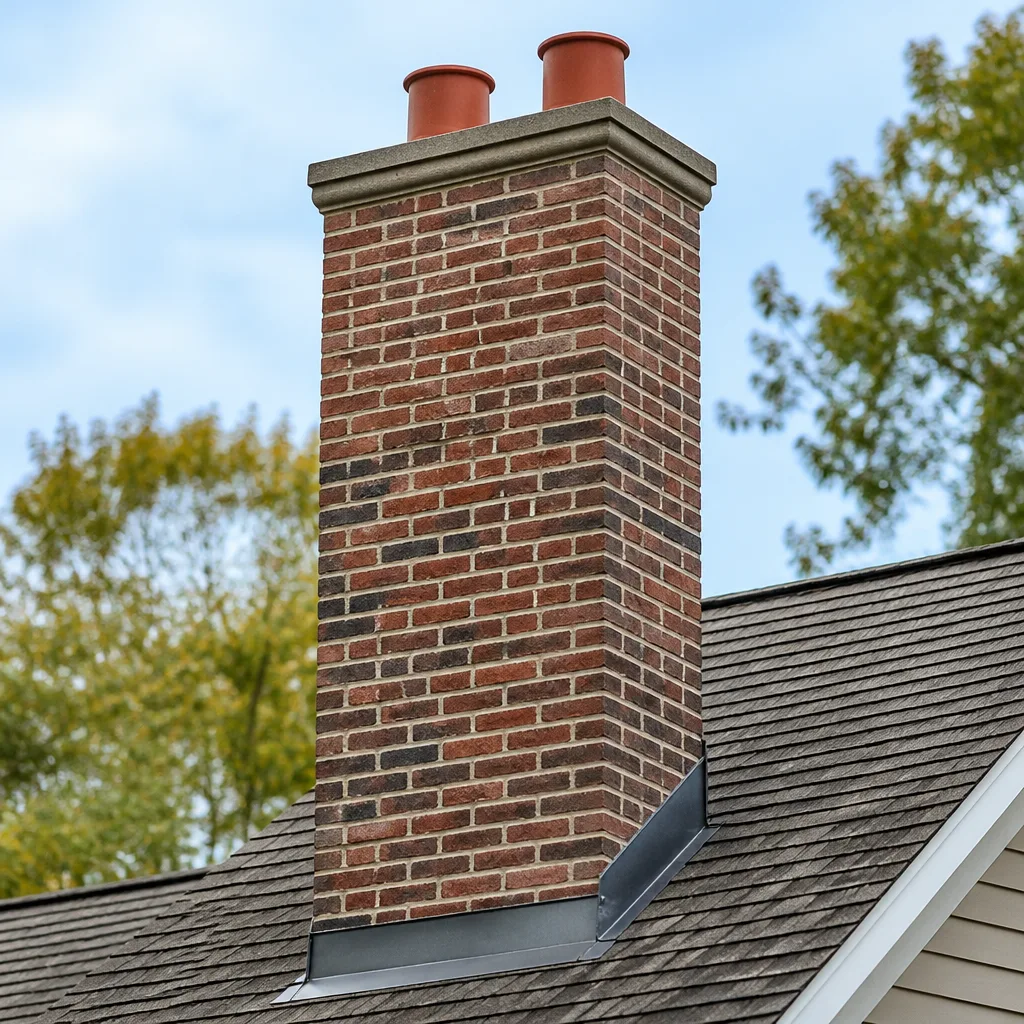 Masonry repair
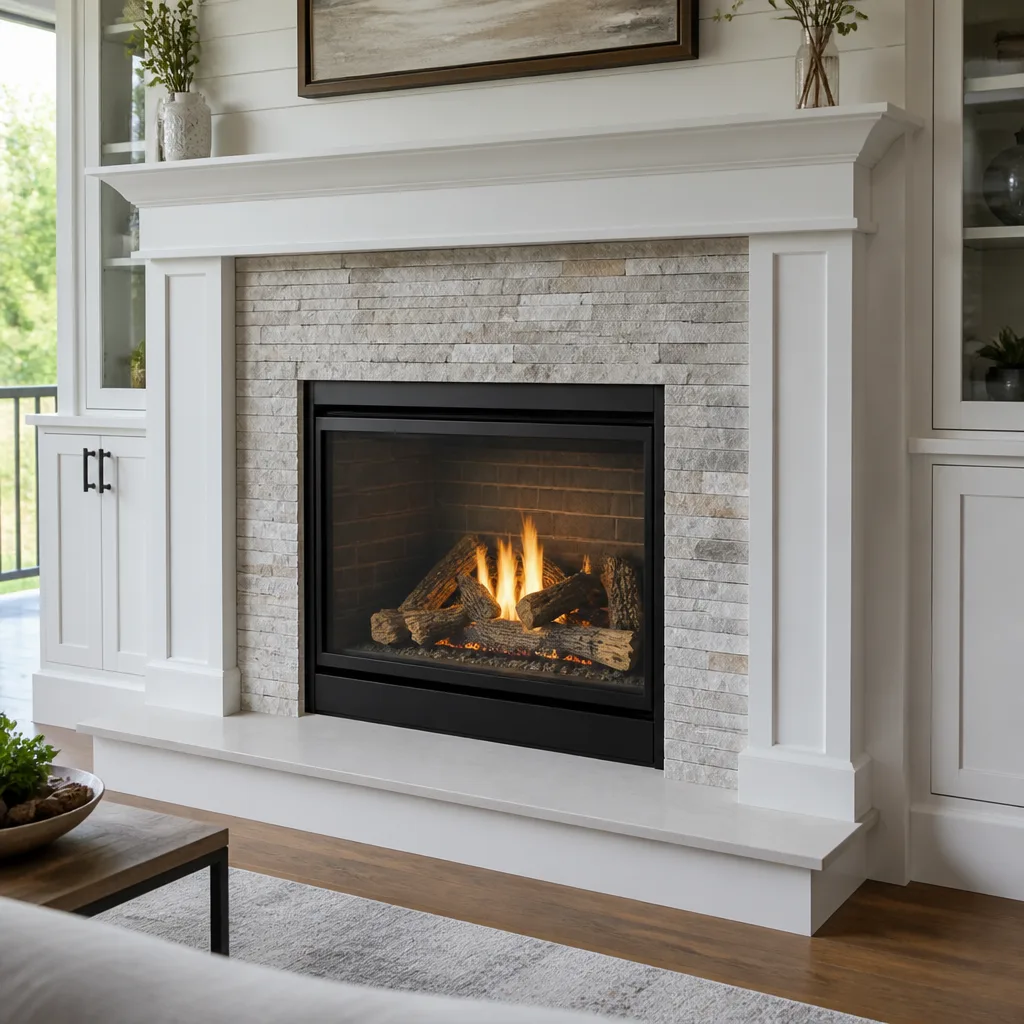 Gas fireplace service
Level 1 sweep and inspection to the NFPA 211 annual standard - flue, crown, cap, and flashing checked and photographed
Chimney sweep logs do not sweep chimneys. They loosen some creosote - which then falls where a brush and vacuum still have to collect it.
Chimney Cleaning Warning Signs: A Lake Highlands Homeowner’s Reference Guide
Most chimney problems get missed for one reason: the homeowner didn’t know which signs mattered. The two most common mistakes are mirror images of each other. One is waving off a real warning sign as “just how it’s always looked.” The other is treating a routine maintenance flag like an active emergency. Both come from the same gap – not knowing what each sign is actually telling you. In this guide, we break down chimney warning signs by urgency tier, explain what each one looks, smells, or sounds like, and point to the ones that show up most in Lake Highlands’s older housing stock. You’ll finish knowing what to schedule, when, and what genuinely can’t wait.
Styles & brands we work with
- Sweep & inspection
- Caps & crowns
- Flue relining
- Masonry repair
- Gas fireplace service
Quick Answer
Chimney warning signs fall into three tiers: signs that mean schedule service soon (light soot odor, minor efflorescence), signs that mean schedule before your next fire (heavy creosote, smoke staining above the firebox, a draft that’s gotten lazy), and signs that mean don’t use the chimney until it’s been inspected (spalling brick with missing mortar, a cracked or detached crown, rust on damper hardware, an acrid smell that won’t clear). Most signs homeowners notice are in the first two tiers – maintenance issues, not emergencies. The key is knowing which tier you’re in.
Table of Contents
- Why Warning Signs Matter More Than You Think
- Tier One: Signs That Mean Schedule Service Soon
- Tier Two: Signs That Mean Schedule Before Your Next Fire
- Tier Three: Signs That Mean Don’t Use Until Inspected
- Reading Chimney Odors: Musty, Acrid, and Sulfurous
- What Your Smoke Is Telling You
- The Ground-Level Walkround: Exterior Warning Signs
- Why Lake Highlands Housing Stock Sees Specific Signs
- Common Mistakes to Avoid
- When to Call a Professional
- Frequently Asked Questions
- The Bottom Line
Why Warning Signs Matter More Than You Think
A chimney is one of the few systems in a house that gives you warning signs before it fails. That’s genuinely good news, and it’s also why paying attention to those signs matters. Creosote builds up quietly over many fires and eventually becomes the fuel source for a chimney fire. A crown cracks slowly over a few rainy seasons and eventually lets water into the masonry. Water soaks into brick that looks solid and, over time, spalls off the face of the brick, weakening the structure. You get warning signs at every stage. The question is whether you notice them.
What we’ve found in Lake Highlands is that homeowners often have strong instincts about when something is wrong but lack the vocabulary to sort the urgent from the routine. A homeowner notices a musty smell when they haven’t used the fireplace in a month and assumes the chimney is failing. It usually isn’t – that’s moisture and debris, common and fixable. Conversely, they notice white staining on the exterior chimney brick and assume it’s cosmetic. It often is – but sometimes it signals that moisture is getting in and needs to be stopped.
The point of this guide is to give you the vocabulary. Sign-by-sign breakdown by urgency. Plain descriptions. No alarm language, no deflection. If you walk away knowing which tier each sign belongs to, you’ll make calmer, better-informed decisions when something actually shows up.
Tier One: Signs That Mean Schedule Service Soon
Tier one signs are the maintenance-timing indicators. None of them mean “stop using the fireplace today.” All of them mean “get on the schedule in the next few weeks or so, before the next season of regular fires.”
- Light soot odor when the fireplace is cold. A faint ashy smell drifting into the room on a cool day, especially on a humid morning. This is normal residue. A sweep clears it.
- Minor white staining on exterior brick. Efflorescence – the white, powdery mineral bloom that forms when moisture moves through brick and evaporates from the surface. In small amounts it’s a symptom, not the disease. It tells you moisture is present.
- A slightly slower draft than you remember. Fires that used to light easily now need more kindling. Some of this is seasonal; some of it is a flue that needs cleaning.
- Soot dust on the fireplace surround or hearth. Small deposits appearing after fires. Not a fire risk, but a sign the flue isn’t drawing as cleanly as it should.
- Chimney cap showing its first sign of rust. A few spots on a steel cap. Worth noting for your next scheduled visit.
If you see any combination of these in Lake Highlands, you don’t need to do anything urgent. You do need a routine chimney sweep, ideally before the next stretch of regular burning. We use a camera inspection as part of a standard sweep so we can show you what we find rather than describe it – if the inside of the flue looks clean and appropriate for continued use, that’s what you’ll see on the screen.
Tier Two: Signs That Mean Schedule Before Your Next Fire
Tier two signs are the ones that make us recommend a service visit before you light another fire. They’re still not emergencies. They are indicators that waiting through another season of burning risks making the situation worse, or that something has shifted enough that it needs diagnosis before it becomes a bigger job.
What you’ll see, smell, or feel
- Heavy black creosote on the flue walls. You’ll see this during a sweep. From the living room, you might notice a glaze-like black deposit visible around the top of the firebox or on the flue if you can see up it with a flashlight. Glazed creosote is the highest fire-risk form and should always prompt a service visit before more fires.
- Smoke staining above the fireplace opening. Dark streaks on the wall or mantel face above the firebox. This means smoke is escaping into the room before it clears – a draft, damper, or flue sizing issue.
- Smoke spilling into the room when the fire is first lit. A brief puff is normal. A sustained backdraft that lasts more than a couple of minutes, or that happens on multiple fires, is a sign to book a chimney inspection before you keep burning.
- Rust on the damper hardware. Damper hardware rusting is a sign of moisture inside the firebox. Common in older Lake Highlands homes where the original damper assembly has been in place for decades.
- A sulfurous or musty smell lingering after fires stop. Odor that persists for weeks after the last fire almost always points to trapped moisture or debris. Worth a service call before the next season.
- Visible spalling on the chimney masonry, small. Brick faces starting to flake. Small spalls are a maintenance flag – book a chimney cap & crown inspection and address the moisture source.
Tier two is where most Lake Highlands homeowners land when they call us. The work is scheduled, not urgent. We show up, do a Level II inspection with camera, document what we find, and quote the specific work needed. Some of it can wait a season. Some shouldn’t. You’ll know the difference before you commit to anything.
Tier Three: Signs That Mean Don’t Use Until Inspected
Tier three is the shortest list but the most important one. These are the signs where the correct answer is: stop using the fireplace, call for an inspection, and don’t relight until the chimney has been examined.
- A strong acrid smell that doesn’t clear. If the smell of creosote or a smoky, tarry odor stays in the room for days even when the fireplace is cold, the creosote may be thick enough that the flue isn’t venting properly even when idle.
- Visible damage to the crown or a separated crown. The crown is the concrete cap at the top of the chimney that sheds water. If it’s cracked all the way through or pulling away from the flue tile, water can get directly into the chimney structure.
- Spalling brick with missing chunks or loose brick faces. Deeply spalled brick – not just surface flaking – means the masonry itself has lost structural integrity. Don’t light a fire until a professional has assessed it.
- Rust or crumbling on damper hardware, or a damper that won’t open or close freely. A stuck damper can trap smoke or CO inside the room.
- Chimney fire signs. A loud roaring sound during a fire, a “puffy” draft sound like a freight train, cracks in the flue tile visible after the event, or a sudden strong smell of burned material. Any of these are stop-and-inspect signs.
- Cracked or deteriorated flue tile visible from the firebox or at the top. Flue tile is the primary barrier between combustion gases and the surrounding structure. Cracks in it need to be diagnosed before more fires.
We want to be specific about one of these. A chimney fire is a real safety event – not a scare tactic, but an actual condition that occurs when glazed creosote ignites. If you’ve heard the sound of a chimney fire or suspect one has happened, don’t use the chimney again until it’s been inspected. The structural damage from a chimney fire is often invisible from the living room and only surfaces on camera inspection. This is one of the reasons we include camera work in our Level II chimney inspection service – you see the flue the same way we do.
Reading Chimney Odors: Musty, Acrid, and Sulfurous
Odors are the diagnostic tool homeowners have that they don’t realize they have. A chimney odor, described honestly, tells you a surprising amount about what’s happening inside the flue. There are three distinct patterns worth knowing.
Musty
A musty smell from the firebox or into the room is almost always moisture. Three common reasons in Lake Highlands: a chimney cap that’s cracked, missing, or rusted through; a crown that’s letting water in; or debris (usually leaves and twigs) that has accumulated on the smoke shelf and held moisture. Musty doesn’t mean the flue is failing. It means something is letting water in where water shouldn’t be. Fix the entry point – cap, crown, or debris removal – and the smell clears.
Acrid
An acrid or sharp tarry smell is creosote. Fresh creosote has a wood-smoke smell, but as it builds and ages into a glaze it takes on a sharper, more solvent-like quality. If the acrid smell is strong even when the fireplace is cold, the creosote load is significant. The flue needs sweeping before the next fire, and in worse cases – which is when the creosote has glazed – the flue may need a resurfacing. HeatShield resurfacing is one of the systems we use when the liner surface has been compromised by heavy creosote and heat; it’s a way to restore the liner surface rather than replace the flue.
Sulfurous
A sulfurous, rotten-egg smell from a chimney has two likely causes. The first is animal intrusion – birds, squirrels, or raccoons nesting on the smoke shelf or in the flue. That’s a nuisance and a fire risk, and it needs a sweep, a chimney cap, and often a flue inspection to check for damage from the animal’s presence. The second cause is more serious: a gas appliance backdrafting. If you have a gas fireplace or a gas water heater or furnace vented through a flue near the chimney, a sulfurous smell can indicate combustion gas backdrafting into the home. That’s a carbon monoxide concern and requires you to ventilate, shut off gas appliances if possible, and call a professional. We’re not a gas appliance company – we can assess the chimney side of the equation – but a sulfurous smell with no obvious animal cause is a real safety signal and shouldn’t be ignored.
What Your Smoke Is Telling You
How smoke behaves during a fire is one of the earliest warning systems a homeowner has access to, and most people don’t read it. Three patterns are worth learning.
- Smoke that reverses into the room on startup. A brief small puff when you first light a fire is normal. Sustained reversal – smoke coming into the room for more than a minute, refusing to clear – usually points to one of three causes: a cold flue (not yet warmed), a closed or partially closed damper, or a flue that’s too small for the firebox opening. In Lake Highlands homes with modern open fireplaces, the third cause is the more common of the three.
- Smoke that clears slowly. Fires that used to draw within 5 to 10 minutes now take 20 or more. This often indicates a flue obstruction – creosote, debris, a bird nest, or an off-seated flue tile – and warrants an inspection.
- Smoke staining above the firebox opening. Dark deposits on the wall, mantel, or masonry face above the fireplace. This is the fingerprint of a chronic draft or damper problem, and it should be addressed before you burn through another season and damage more tile or stone. Staining that extends high on the wall above the mantel is often the most telling sign that combustion gases are escaping into the room.
If you notice any of these patterns, don’t just open a window. The pattern means the flue isn’t working the way it should, and the fix isn’t usually more ventilation – it’s diagnosis and repair. We’ve found that Lake Highlands homeowners who note smoke behavior tend to catch draft issues earlier than those who don’t, and the resulting repair jobs are usually smaller.
The Ground-Level Walkround: Exterior Warning Signs
You don’t need to climb on the roof to check most of what matters. A visual walkround at ground level, once or twice a year – say, in early fall before the fire season starts – will catch the most common exterior warning signs. Stand back far enough to see the full chimney and work through these in order.
- Crown condition. Look at the flat concrete surface at the very top of the chimney. Cracks are common and often cosmetic. Full separation, spalling, or a crown that visibly tilts is a sign to get it inspected. Crown work is one of the core services we handle, and a replaced or repaired crown is often the difference between a chimney that lasts and one that doesn’t.
- Mortar joints. Look at the horizontal lines between bricks on the chimney stack. Fresh brick, clean mortar lines – fine. Recessed joints, crumbling mortar, or mortar that can be dug out with a fingernail – schedule remediation. Replacing masonry mortar before the brick is compromised is far less expensive than repairing brick.
- Flashing. The metal at the base of the chimney where it meets the roof. Look for gaps, lifting, or visible separation. Flashing separation lets water in at the roof line, and it’s often the source of the moisture causing interior issues.
- Chimney cap. Look at the structure on top of the flue. Is it intact? Rusted? Missing mesh? A damaged chimney cap is one of the single most common ways water gets into a chimney, and one of the simplest to fix. Gelco and Famco caps are the ones we typically install because they’re built for local conditions.
- White efflorescence staining. Powdery white bloom on the brick. As noted above, it’s an indicator that moisture is cycling through the masonry. Worth tracking – if it grows or spreads, that’s your signal the moisture source needs addressing.
- Spalling brick faces. Brick surface flaking off in thin layers. Early spalling is a maintenance flag. Deep spalling – where the face of the brick is falling off in chunks – is a repair item.
The point of the walkround isn’t to diagnose; it’s to notice. If something in this list catches your eye, a professional visit confirms whether it’s a maintenance timing call or something that needs work. We offer free estimates in Lake Highlands for exactly this kind of walkround follow-up. Full chimney cap & crown assessment is included in our standard inspection scope.
Why Lake Highlands Housing Stock Sees Specific Signs
Lake Highlands has a wide mix of housing ages, and that mix shows up in the warning signs we see. Some of the housing stock in Lake Highlands is older than four decades, and the fireplaces and masonry reflect construction methods and materials from those eras. The signs that turn up most often in that older stock are consistent.
Spalling brick from moisture cycling
Brick masonry that’s been in place for decades has been through an enormous number of humidity cycles. Every time moisture moves through the brick and evaporates from the surface, it leaves trace mineral deposits (efflorescence) and stresses the brick face slightly. Over enough cycles, the face of the brick spalls. In older Lake Highlands homes, this is the single most common masonry warning sign and often the least noticed because it happens slowly.
White efflorescence staining
Lake Highlands’s humid summer weather means exterior masonry faces a lot of moisture cycling. Efflorescence appears on the chimney stack as a white powdery bloom – more visible after a wet spring and often on the north or east faces of the chimney that dry more slowly. In small amounts it’s not a structural issue. When it appears and then reappears after cleaning, it tells you moisture is still finding its way in – likely a cap or crown issue.
Rust streaking from aging damper hardware
Damper assemblies that have been in place for 30 or more years eventually show rust from moisture buildup in the firebox. The rust streaks appear on the metal and, sometimes, as a brownish stain on the firebox floor. Rust on the damper is a very common sign in Lake Highlands homes that have had fireplaces unused for several years, or that have had chimney caps fail without being noticed.
We also see a fair amount of crown cracking on Lake Highlands chimneys – sometimes mild, sometimes significant – and the cause is usually the same: small cracks that weren’t addressed, followed by a few wet seasons. In these homes, the timing between noticing a small crack and repairing the crown is often what determines whether the masonry survives intact. Cap and crown work as preventive maintenance is the whole reason it’s one of our core services.
Common Mistakes to Avoid
- Assuming a musty smell means the chimney is failing. It usually means moisture is entering through a failed cap or crown. Fix the entry point and the smell clears without major repair. The mistake is being convinced it’s structural before it’s inspected.
- Ignoring small efflorescence because it “looks clean.” Efflorescence is your chimney telling you moisture is cycling through the masonry. Treating it as cosmetic postpones addressing the moisture source – typically a cap or crown issue.
- Burning through a season with smoke staining above the firebox. Staining is the fingerprint of a draft or damper problem. It almost never improves with more fires, and it usually damages tile or stone that then needs repair. In Lake Highlands homes, this is commonly a damper seating issue rather than a flue-size issue.
- Skipping the annual sweep because the chimney “looks fine from inside.” You can’t see creosote glaze or hairline flue tile cracks from the living room. A sweep catches both. This is why Level II inspection with camera is standard for our chimney sweep service.
- Treating a sulfurous smell like a chimney cleanliness problem. A sulfurous smell with no animal cause can be a gas appliance backdrafting, which is a carbon monoxide safety concern. Don’t dismiss it – ventilate and get it diagnosed.
- Assuming structural work will require subcontractors. Chimney caps, crowns, liner resurfacing (HeatShield), full relining (DuraFlex), and masonry work all typically fall to different trades if your provider is sweep-only. Verify before scheduling – a full-scope chimney company handles the diagnosis through repair under one roof.
- Skipping the walkround because you’re not on the roof. Most of the exterior warning signs – crown, mortar, cap, flashing – are visible from the ground. A five-minute walkround catches the most common preventable chimney issues.
When to Call a Professional
Call a professional if any of the following is true in your Lake Highlands home: you hear a sound like a low roar from the chimney during a fire (a chimney fire signal); rust or crumbling appears on damper hardware and the damper won’t open freely; visible smoke reverses into the room and won’t clear; an acrid or sulfurous smell persists after the fireplace has been cold for over a week; exterior brick is spalling deeply rather than flaking lightly; the crown is cracked all the way through or separated from the flue; or the chimney cap is missing or detached. If none of those apply but you notice signs in tier one or tier two, book a routine sweep – that’s not an emergency call, it’s a scheduled maintenance visit.
Chimney Sweep Lake Highlands offers free estimates in Lake Highlands – call (833) 508-9984. We answer 24/7. Fast dispatch from 7am to 7pm, Sunday through Friday. Whether it’s a quick sweep or a full inspection with camera, you’ll get a clear answer on what you’re looking at and what (if anything) needs to be done before the next fire.
Frequently Asked Questions
Most wood-burning chimneys should be swept once a year, or more often if you burn frequently or notice creosote buildup. Gas fireplaces typically need inspection annually but may not need a sweep as often. For Lake Highlands homes that use their fireplace regularly through the winter, an annual sweep before fire season is the standard cadence.
Yes, an annual inspection is worth doing even when the chimney seems fine, because many warning signs (creosote glaze, flue tile cracks, minor cap damage) don’t produce an odor you’d notice. A chimney inspection catches small issues before they become expensive ones. Inspection is our most-requested service for exactly this reason.
An acrid or sharp tarry smell from the firebox is almost always creosote that has built up significantly. Fresh creosote has a wood-smoke smell, but as it ages into glaze it takes on a sharper quality. If the smell persists when the fireplace is cold, the flue needs sweeping before the next fire, and it may need resurfacing if the liner has been compromised. Call (833) 508-9984 to book a service visit.
It can be. A sulfurous (rotten-egg) smell from a chimney has two common causes: animal intrusion on the smoke shelf, or gas appliance backdrafting. Animal intrusion is a nuisance and fire risk. Backdrafting is a carbon monoxide concern and warrants ventilating the space and calling a professional. If you can’t tell which cause applies, treat it as the second until it’s ruled out.
Depends on the crack. A hairline crack that hasn’t separated is usually fine to burn through while you schedule repair, but a crown that’s cracked all the way through, spalling, or visibly separated from the flue means water can enter the chimney structure. In that case, don’t burn until it’s been inspected and the crown is repaired or replaced. Our chimney cap & crown service addresses both within a single visit.
Treat a gas smell from a fireplace as an immediate safety issue: ventilate the room, don’t use the fireplace or any gas appliance in the house until you’ve shut the gas off at the meter if possible, and call your gas utility or a gas professional right away. Chimney work addresses the venting side of the equation, but a gas leak is a separate professional visit. Once the gas side is resolved, we can inspect the chimney and venting to confirm everything is safe to use.
The Bottom Line
Most chimney warning signs aren’t emergencies. They’re maintenance signals with timing implications. Light soot odor, minor efflorescence, a slightly slower draft – these mean schedule a sweep in the next few weeks. Smoke staining, rust on the damper, spalling brick, an acrid smell – these mean schedule before your next fire. Crown separation, deep brick spalling, a chimney fire sound, or a persistent sulfurous smell with no animal cause – these mean stop using the fireplace until inspected. Knowing which tier you’re in is the whole game. If you notice any sign and can’t tell the tier, we can help you sort it out. Chimney work is all we do, which means every job gets a specialist, and every assessment includes a clear, honest answer about what can wait and what shouldn’t.
Ready to schedule? Chimney sweep and inspection slots fill up as fire season approaches in Lake Highlands, so booking early is worth the phone call. We answer 24/7. Fast dispatch from 7am to 7pm, Sunday through Friday. If you’re weighing fireplace repair against a full inspection, we’ll walk you through both.
Call (833) 508-9984 for a free estimate. We work with the product lines professional chimney contractors trust, including DuraFlex, HeatShield, Gelco, Olympia Chimney, and Famco, so any liner, cap, or resurfacing work stays in one skilled set of hands from discovery through repair.
Written by the team at Chimney Sweep Lake Highlands.
See the difference
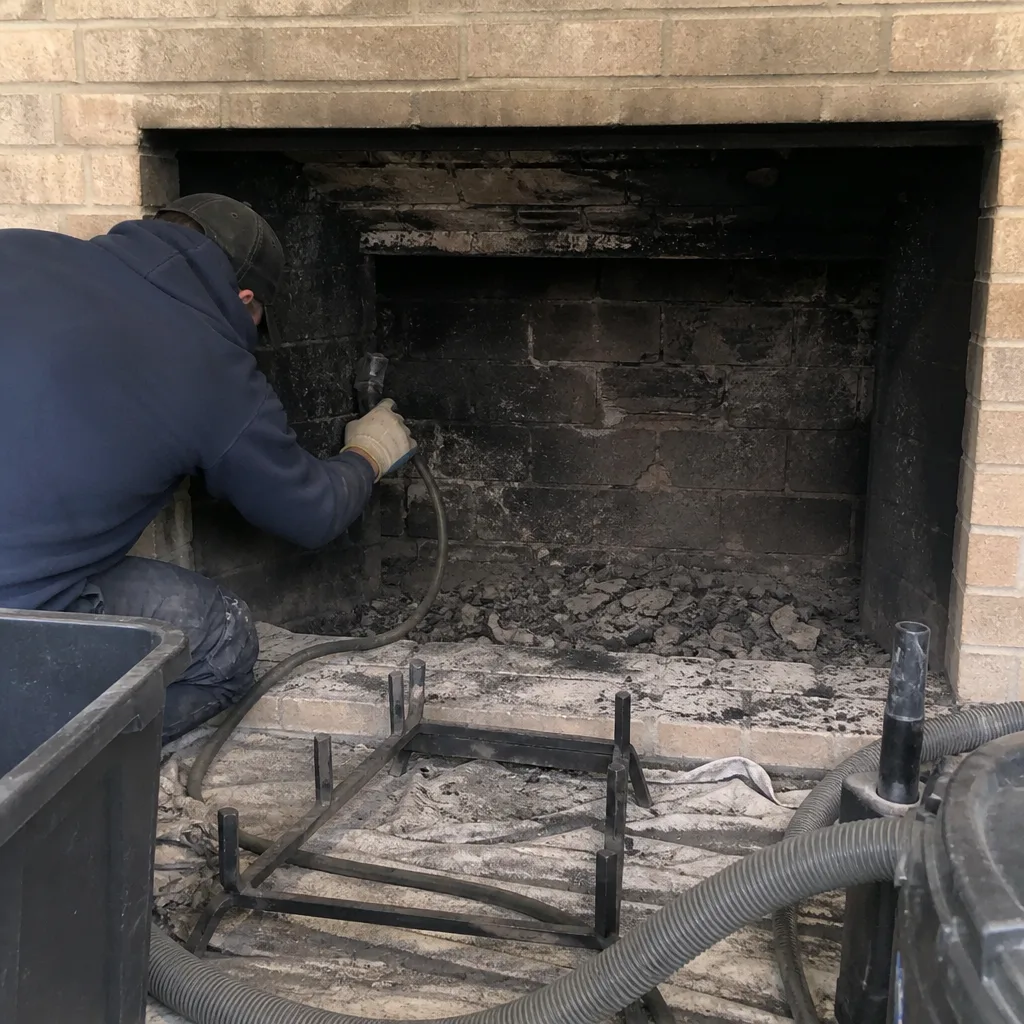 Before
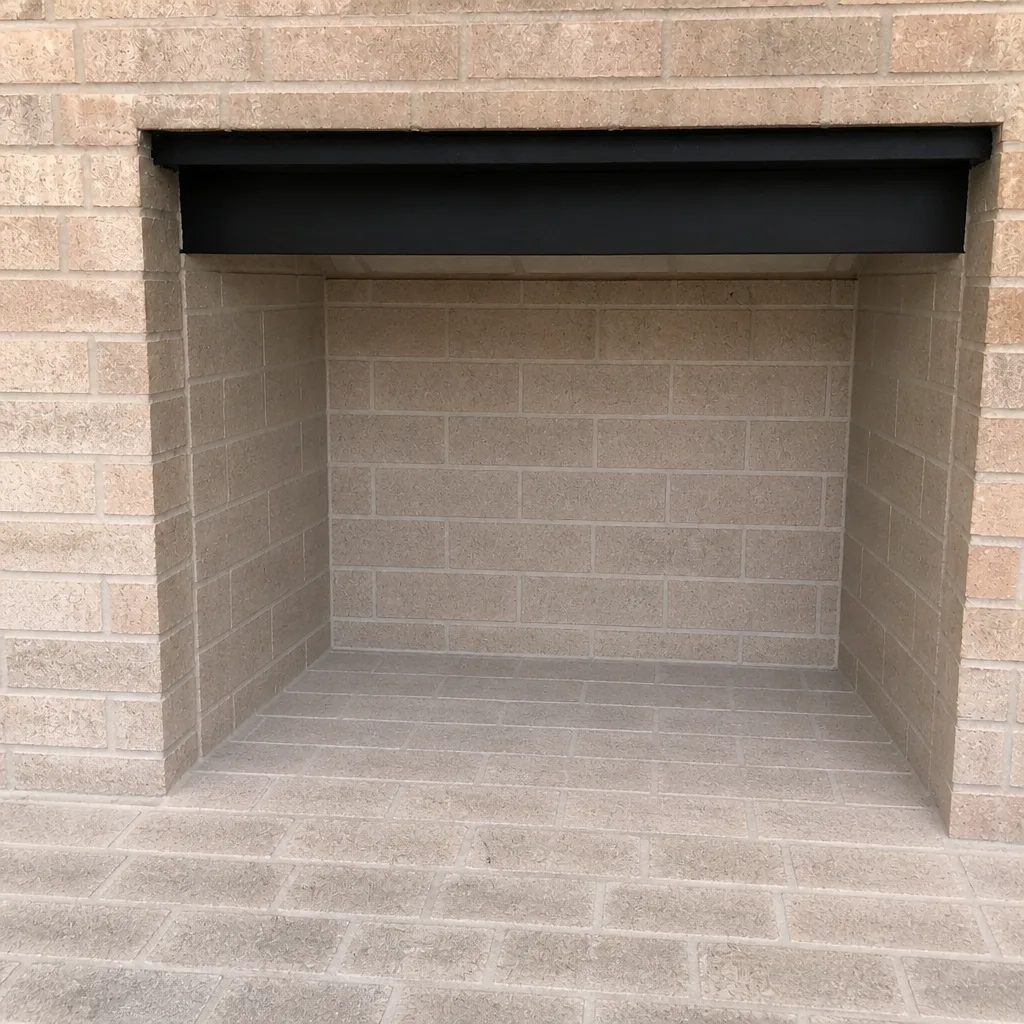 After
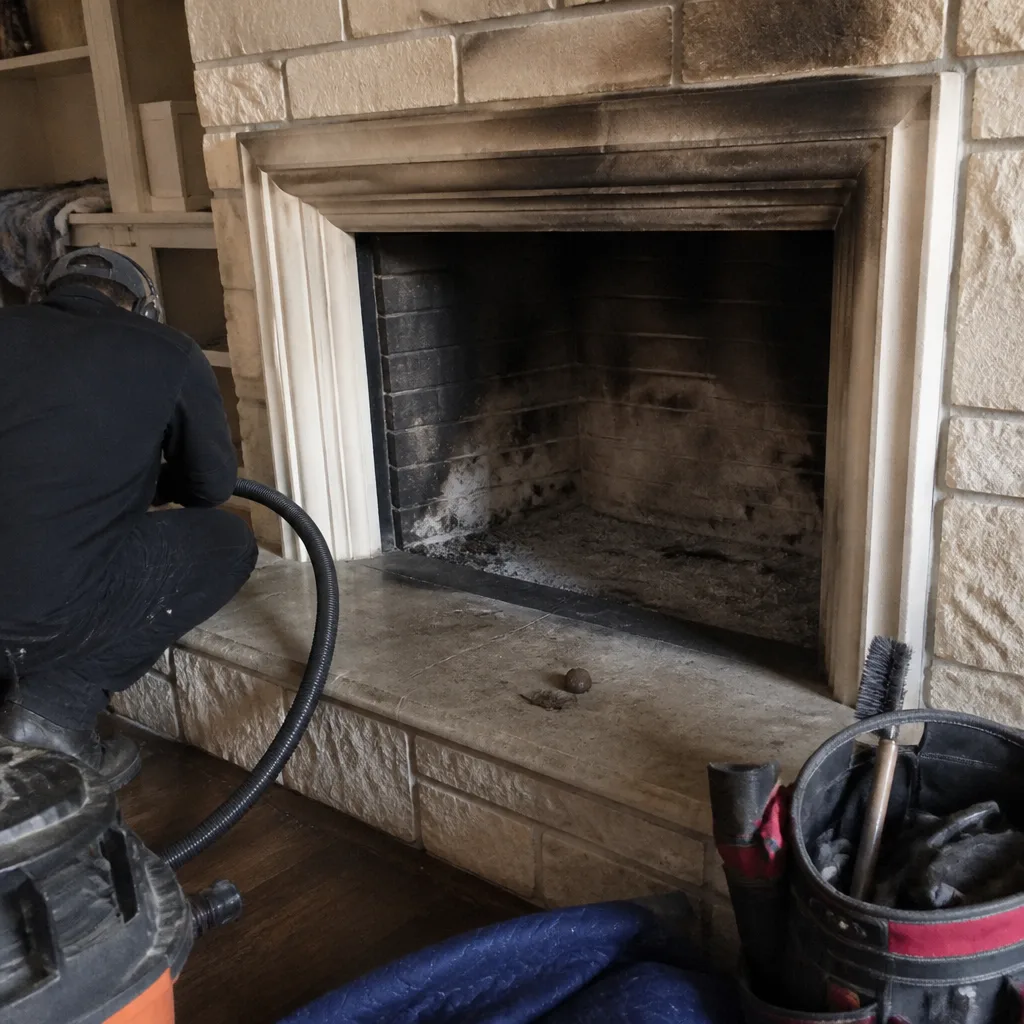 Before
 After
 Before
 After