
Last updated November 22, 2026
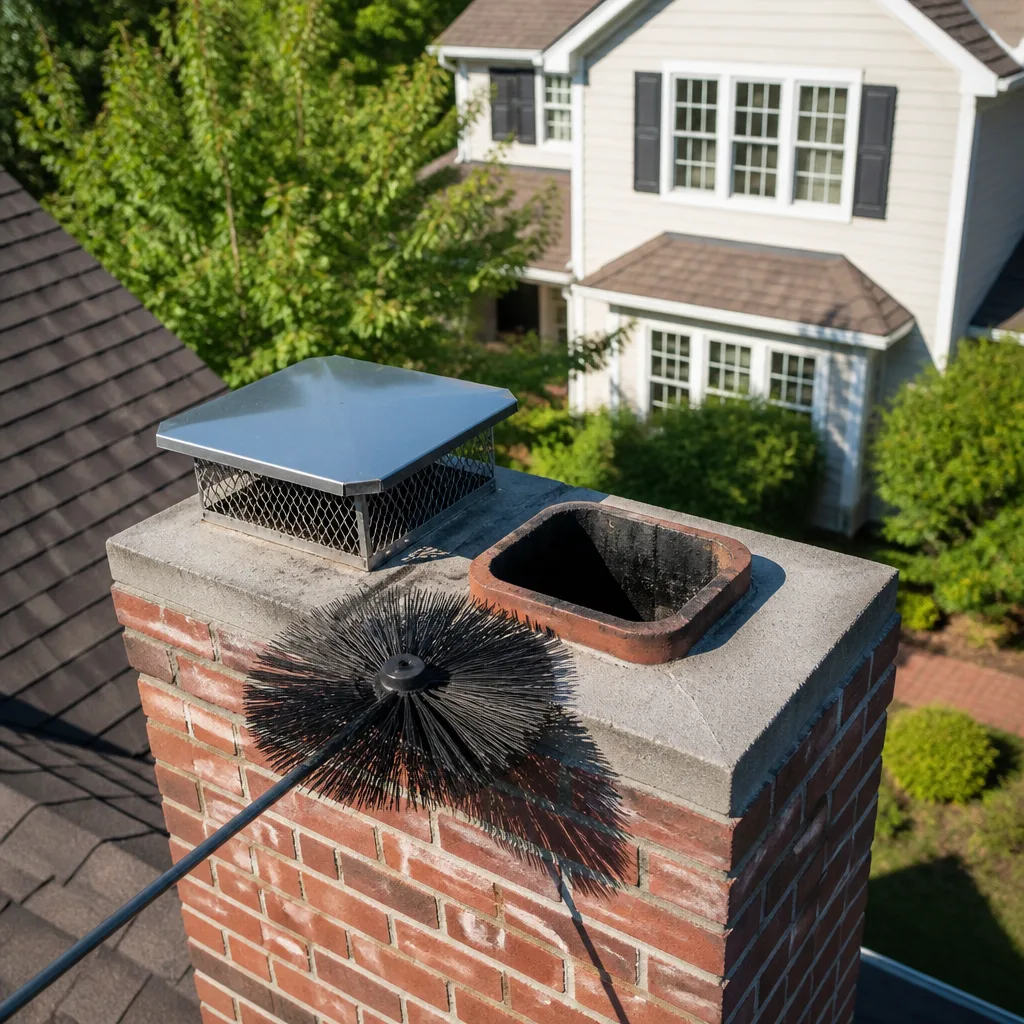 Sweep & inspection
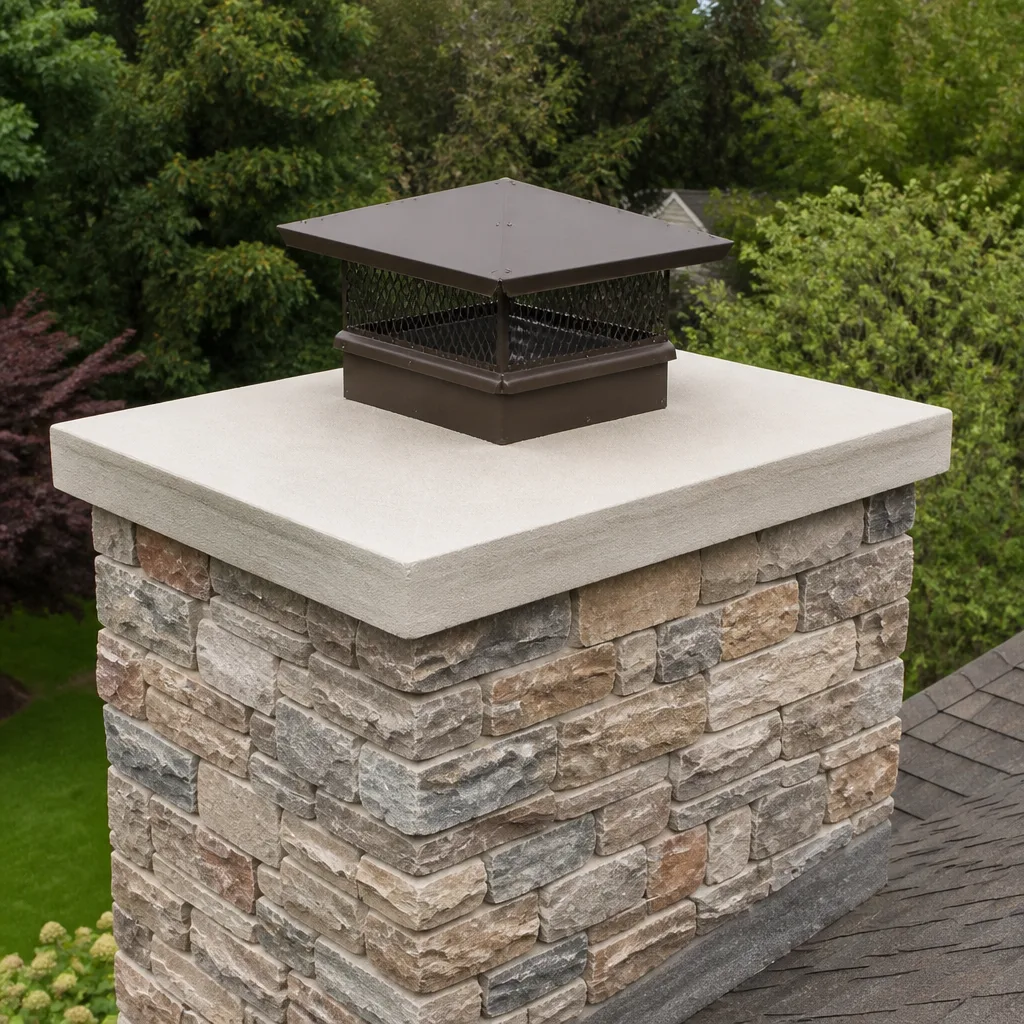 Caps & crowns
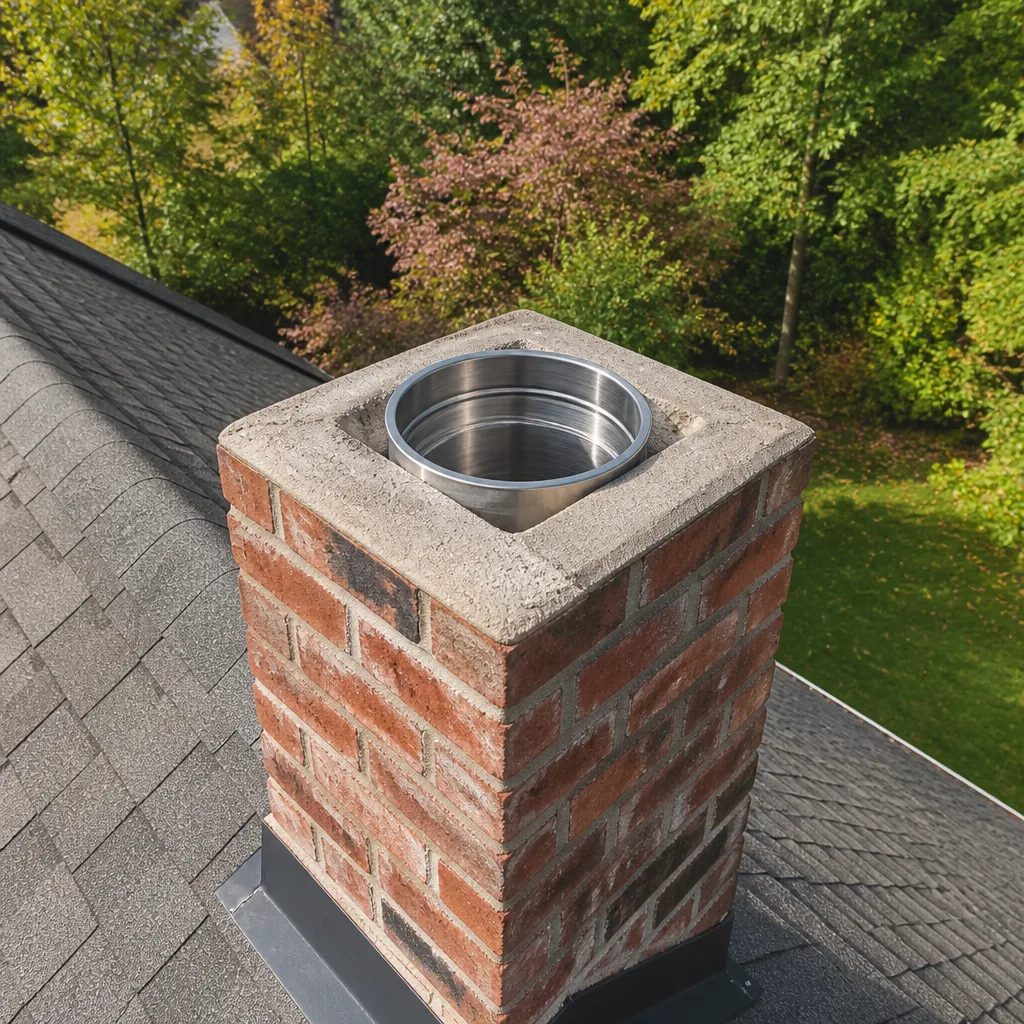 Flue relining
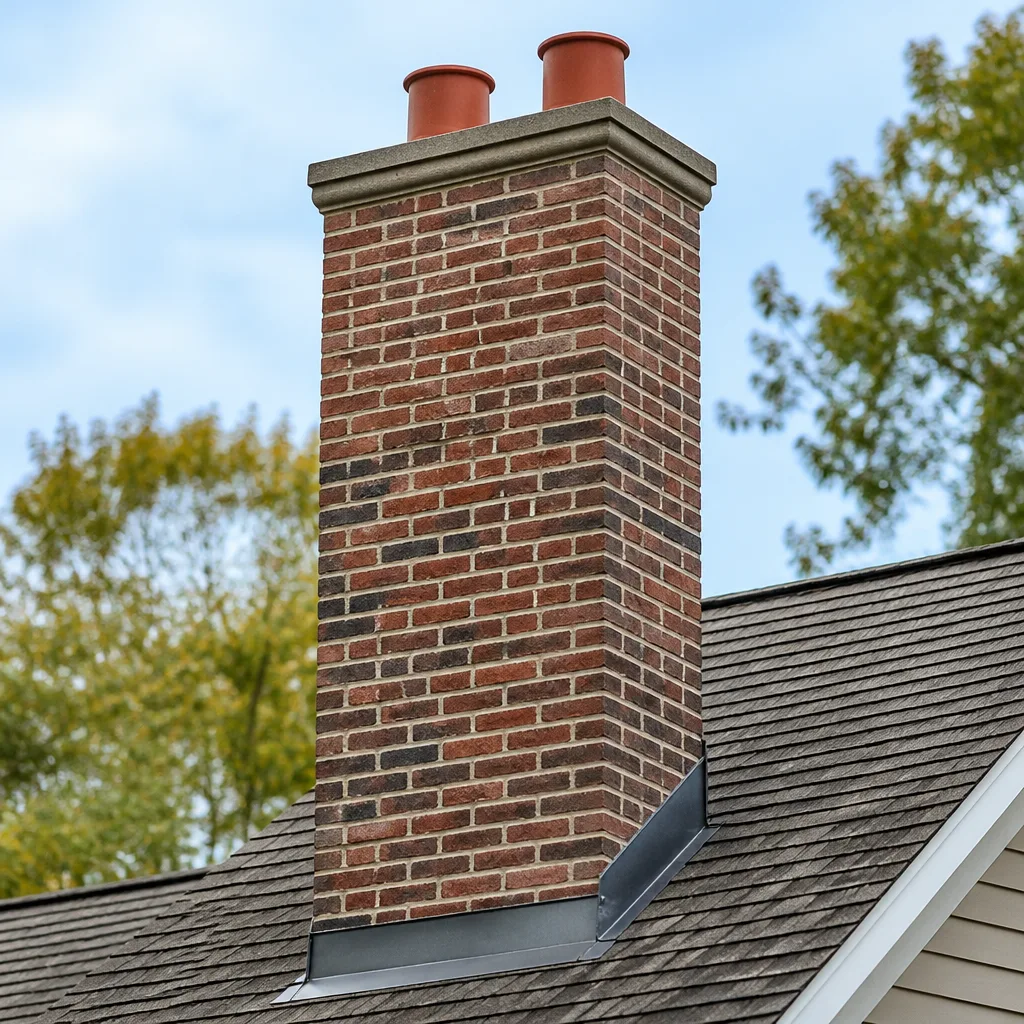 Masonry repair
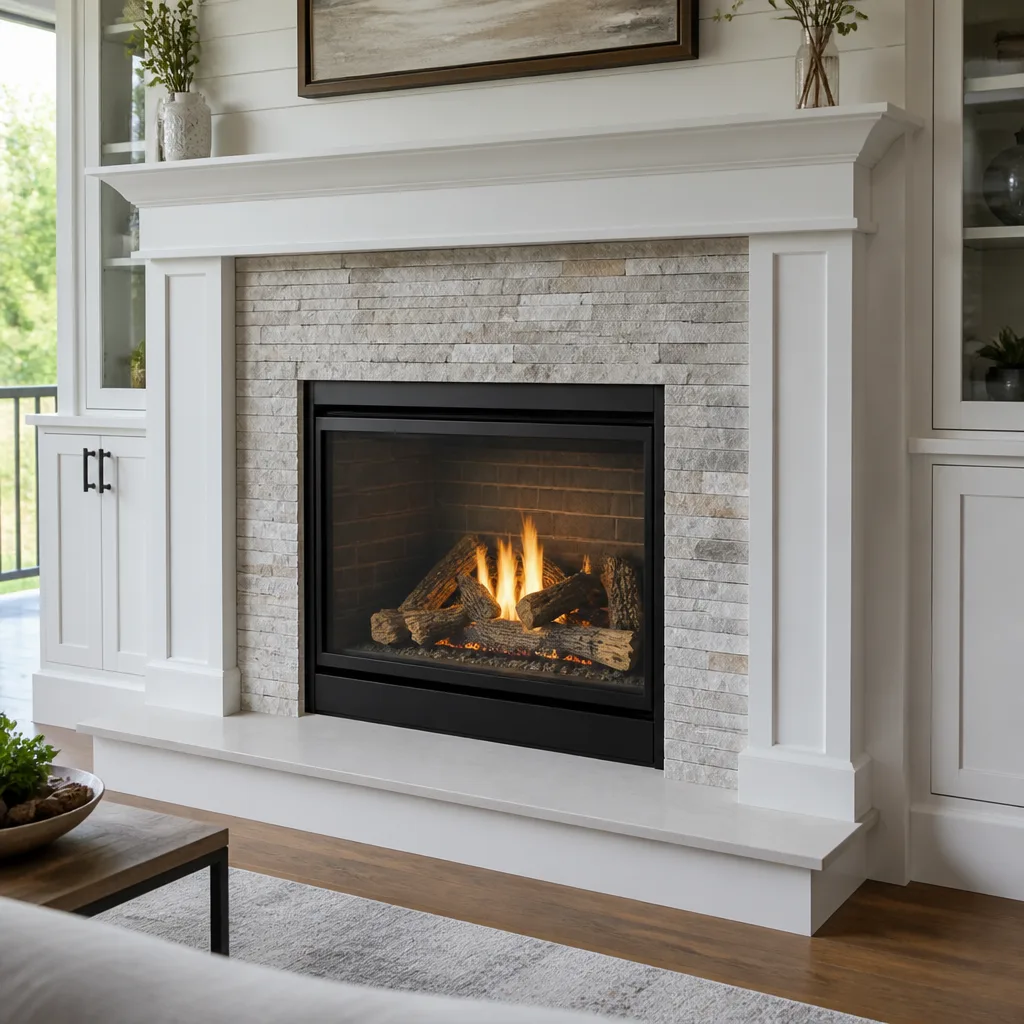 Gas fireplace service
Level 1 sweep and inspection to the NFPA 211 annual standard - flue, crown, cap, and flashing checked and photographed
Chimney sweep logs do not sweep chimneys. They loosen some creosote - which then falls where a brush and vacuum still have to collect it.
The Complete Guide to Chimney Cleaning in Lake Highlands
Most homeowners think chimney cleaning is about soot. It’s actually about what the soot reveals. In Lake Highlands, where a large share of the housing stock went up between the 1960s and 1980s, the creosote on the flue walls is only half the story. What’s behind it, above it, and around it tells you how the chimney has been aging, whether the liner is still doing its job, and what kind of water and debris damage has quietly taken hold. This guide walks through how cleaning works as a diagnostic process here, why the local burn season and wood choices matter, what older masonry chimneys need that newer prefab systems don’t, and how to read the report you get afterward so you can tell a legitimate repair scope from an upsell.
Quick Answer
Chimney cleaning in Lake Highlands is a full inspection-plus-sweep appointment, not just a brushing. A technician sweeps the flue, removes creosote and debris, and then inspects the firebox, damper, smoke chamber, flue liner, crown, and cap, documenting what they find with photos. The cleaning itself is routine; the inspection is where the real value sits, because it’s how you find small problems before they turn into masonry work.
Styles & brands we work with
- Sweep & inspection
- Caps & crowns
- Flue relining
- Masonry repair
- Gas fireplace service
Table of Contents
- What Chimney Cleaning Actually Involves
- How Creosote Forms Differently in North Texas
- Older Lake Highlands Masonry Chimneys vs. Newer Prefab Systems
- Local Debris Sources: Wood, Storms, and Birds
- What a Proper Cleaning Appointment Should Include
- How to Read a Cleaning Report
- How Often Should You Schedule Cleaning?
- When to Call a Professional
What Chimney Cleaning Actually Involves
A chimney cleaning is a top-down and bottom-up process, and it’s more careful than homeowners usually expect. When we send a technician to a Lake Highlands home, the appointment follows a set sequence. The point isn’t just to knock soot loose; it’s to remove what’s flammable and inspect what’s underneath.
- Setup and protection. Drop cloths go down around the hearth, and a sealed vacuum runs throughout the sweep so no soot escapes into the room.
- Firebox and damper check. The technician clears ash, checks the damper for smooth operation, and notes the condition of the firebrick or firebox panels.
- Flue sweep. A rotary or brush sweep runs the full length of the flue to remove creosote, soot, and glaze where present. The type of brush depends on what stage of creosote is on the walls.
- Smoke chamber and shelf. This is the sloped area directly above the damper, and it’s a trap for creosote that many quick sweeps skip. A proper cleaning reaches it.
- Top-side check. From the roof, the technician inspects the crown, cap or spark arrestor, and the top of the flue liner.
- Documentation. Photos of the firebox, flue, smoke chamber, and exterior are captured and shared with you before the technician leaves.
This full sequence is what we mean when we talk about a chimney sweep as opposed to brushing a flue and calling it a day. The sweep removes fuel; the inspection removes surprises.
How Creosote Forms Differently in North Texas
Creosote is the tar-like residue left behind when wood smoke cools against the flue walls. It’s the main reason chimneys need cleaning at all. But how it forms depends heavily on how a household burns, and that pattern is different in Lake Highlands than it is in colder parts of the country where a fire runs most nights for months.
North Texas has a short but intense burn season. Most Lake Highlands households run the fireplace for a stretch from late fall into early spring, and a lot of that burning happens during cold spells that last a few days at a time. That pattern pushes creosote into three distinct stages, and they look and behave very differently.
- First-degree creosote is light, flaky soot and ash. It brushes off easily. Most of it comes from hot, efficient burns, so a household that burns dry, well-seasoned wood tends to accumulate more of this.
- Second-degree creosote is crusty and sticks to the flue. It requires more aggressive tooling to remove and suggests the fire is running cool or the wood isn’t fully seasoned.
- Third-degree creosote is glazed, hard, and shiny. It’s the most flammable stage and it can’t be brushed off; it has to be addressed chemically or by relining if it’s taken hold deeply.
Here’s the Lake Highlands-specific wrinkle: a household that burns in short, cold-snap bursts can build second and third-degree creosote faster than a household running continuous fires. Every start-up and cool-down cycle creates a cool flue where smoke condenses. When a Lake Highlands homeowner fires up the chimney for a three-day cold snap and then leaves it cold for two weeks, the flue temperature swings are steep, and that’s exactly the environment that condenses creosote onto the walls. This is one reason we recommend an annual inspection regardless of whether the household thinks it burned “much” the previous season.
Older Lake Highlands Masonry Chimneys vs. Newer Prefab Systems
A large portion of Lake Highlands homes went up in the mid-century rush, and many still have the original masonry chimney with a clay tile liner. Others have been updated with a prefab fireplace insert or a manufactured system. These two types of chimney age differently, and they fail differently.
Clay tile liners were the standard for decades and they still work well if they’ve been maintained. The problem comes from the joints. Over time, heat cycling and moisture work at the mortar between the tiles, and a cracked or offset joint can let flue gases and heat into the surrounding masonry. That’s a structural concern, not just a performance one. Damage here won’t always show up from inside the house; it may only appear during a camera inspection of the flue.
Masonry chimneys also carry the mortar and brick of the chimney itself. In North Texas, up-and-down winter weather with occasional hard cold and repeating wet-dry cycles stresses that masonry, which is why crown and cap condition matters as much as the flue. A cracked crown is where a lot of water enters and starts pitting the brick. We handle cap and crown work as a core part of our service, because protecting the top of the chimney is often more practical than repairing the damage water causes below it. You can read more about that work on our chimney cap & crown page.
Prefab systems are different. They have a factory-designed flue that assumes specific clearances and a specific liner. Sweeping them requires the right brush type and an understanding of what the manufacturer specified. In our experience, prefab chimneys in Lake Highlands tend to fail at the cap and at the point where the flue meets the firebox, not in the flue walls. Knowing which kind of chimney is in the house changes what a technician is looking for.
Local Debris Sources: Wood, Storms, and Birds
Creosote gets the attention, but debris is the other half of what needs to come out of a Lake Highlands chimney. Three sources show up over and over.
Wood choice. Post oak and pecan are two of the most common firewoods in this part of Texas, and both are dense hardwoods that burn hot and long when properly seasoned. They also leave a heavier deposit load than softwoods if they’re not fully dry. Wet or green wood is the bigger problem; it burns cool and pushes creosote onto the flue walls. If you’re buying wood locally, stack it off the ground and give it time to dry before burning it.
Storm-blown debris. Spring cold fronts coming down through North Texas bring wind and limbs. Without a chimney cap, that debris lands directly in the flue and can block the draft. Even a single piece of nesting material or a fallen twig lodged near the top can cause smoke to back up into the house.
Bird nesting. A dormant summer chimney is an open invitation. Birds will build nests in the flue in spring and early summer, and by the time the first cold snap hits, the homeowner is lighting a fire under material that shouldn’t be in the chimney at all. A cap with a spark arrestor solves this. It’s one of the cheapest things we install and one of the most common repairs we make across Lake Highlands.
What a Proper Cleaning Appointment Should Include
Not every cleaning appointment is built the same way. When you schedule a cleaning in Lake Highlands, here’s what should happen, and what to watch for if it doesn’t.
- A conversation before work starts. The technician should ask how you use the fireplace, what wood you burn, when the chimney was last cleaned, and whether you’ve noticed smoke, drafts, or odors. This shapes the sweep.
- Proper containment. Drop cloths and a running vacuum should be in place before any brushing begins. A cleaning that sends soot into the room is a cleaning you’ll be paying for twice.
- The sweep itself, matched to the creosote stage. Light flake gets a standard poly brush; crusty and glazed deposits need more aggressive tooling, and in the case of glazed creosote, a treatment or reline recommendation.
- An inspection using a camera. A visual look down the flue from the top and a camera scope let the technician see the liner condition, the smoke chamber, and any offsets or blockages. This is the diagnostic step, and it’s the one to insist on.
- Photos you can see. You shouldn’t have to take anyone’s word for what’s inside your chimney. Ask to see the photos.
- A written report. It should describe what was found and separate what was cleaned from what, if anything, needs repair.
An inspection isn’t a formality. It’s how we find small problems before they become expensive ones. The framework behind those inspections is the Level I, II, and III categories you’ll hear referenced in the chimney trade; a routine cleaning with a visual inspection is closest to a Level I, and a camera inspection of the flue is closer to Level II. If a technician recommends structural work, a Level III assessment can go further. You can read about our approach on our Chimney Sweep Lake Highlands page.
How to Read a Cleaning Report
When the cleaning is finished, you’ll get a report. Reading it well is the difference between understanding your chimney and being sold work you don’t need. Here’s how to separate the two.
Start with the observations. The report should tell you what stage of creosote was found, whether the liner showed cracks or gaps, the condition of the crown and cap, and whether the smoke chamber or damper needs attention. Each observation should be tied to a photo. If it isn’t, ask for one.
Look for the difference between “cleaned” and “needs work.” Your sweep should clearly list what was cleaned (and confirm it’s now clear) and what, if anything, needs repair. Those should be separate sections, not blended together.
Ask about staging. Legitimate repair scopes rarely need to be done immediately. A cracked crown needs to be fixed before the next wet season, but it’s not an emergency. A liner with a hairline concern may be a monitor-and-recheck at the next annual inspection. A glazed flue that’s actively losing integrity is more urgent. A report that presses for a same-day decision on everything is worth a second opinion.
Understand what materials mean. When a relining job is recommended, you’ll hear brand names. DuraFlex and Olympia Chimney make flexible liner systems used widely in the trade. HeatShield is a resurfacing system for liners that are deteriorated but still structurally salvable, and applying it requires capability beyond a sweep-only shop. Gelco and Famco are trusted for cap and crown products. Knowing which products are being quoted, and why, helps you compare proposals.
How Often Should You Schedule Cleaning?
The rule of thumb most sweeps use: have the chimney cleaned and inspected annually if you use it, and inspected at least annually even if you don’t. The National Fire Protection Association (NFPA) recommends annual inspection, cleaning, and maintenance as needed.
For Lake Highlands specifically, we’d nudge toward the annual cadence because of the burn pattern we described earlier. Short, intense burn seasons with long dormant stretches produce two problems: rapid creosote buildup during the season, and debris accumulation during the off-season. A single annual appointment checks both.
A few situations call for scheduling sooner:
- You’ve moved into a Lake Highlands home and don’t know the last sweep.
- You’ve seen smoke spill into the room, struggled to start a fire, or smelled creosote when the fireplace is off.
- You’ve had a storm knock a limb against the chimney or the roof.
- You’ve burned green wood, or you’ve noticed a strong, tar-like smell near the firebox.
- You’re planning to sell, and the buyer is asking for a recent cleaning and inspection record.
Common Mistakes to Avoid
- Skipping the inspection, not just the sweep. A cleaning removes the fuel; the inspection finds the problem. In older Lake Highlands masonry chimneys, the issue is often something the brushing doesn’t touch, like a cracked crown or a liner joint.
- Burning unseasoned post oak or pecan. These are the right woods for this area, but only when dry. Green or wet wood burns cool and builds creosote faster than anything.
- Going without a chimney cap. Capping is the single most effective form of water and wildlife protection on a chimney, and it’s the most common fix we make across Lake Highlands. If yours is missing or damaged, that’s a small job with a lot of payoff.
- Trusting a sweep that won’t show photos. Anything inside your chimney can be described, but the photo is what you can verify. Insist on documentation.
- Accepting a same-visit repair recommendation on everything. Most repair scopes can wait for a follow-up appointment. Glazed creosote and actively failing liners are the exceptions; a cracked crown or a dented cap almost never is.
- Assuming a gas fireplace needs no attention. A gas insert or log set still has a flue that needs to be checked for debris, blockages, and venting problems. Annual inspection applies to gas as well as wood.
- Waiting until the first cold snap to book a cleaning. Late fall is the busiest stretch of the year, and a chimney that’s been dormant since spring may have a bird nest in it by the time you go to light a fire. Late summer or early fall is a good time to get ahead of it.
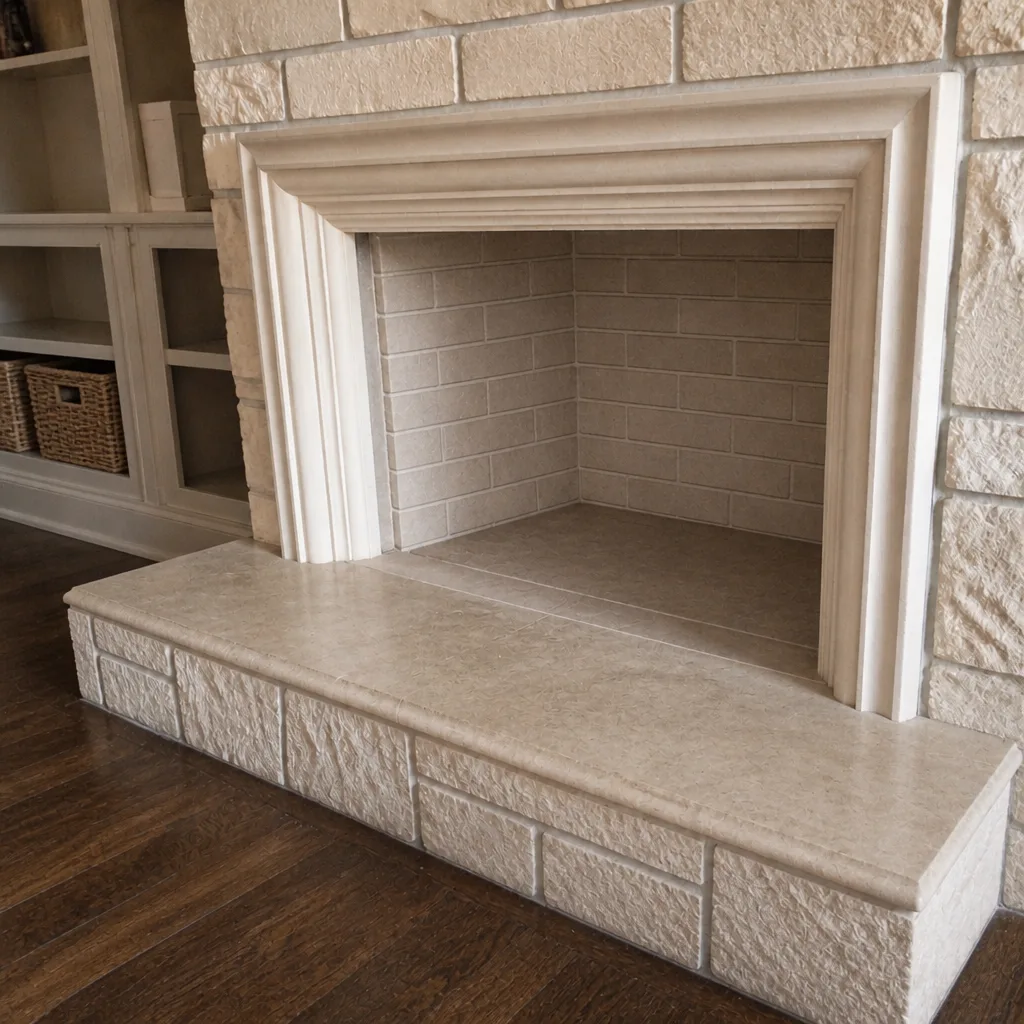
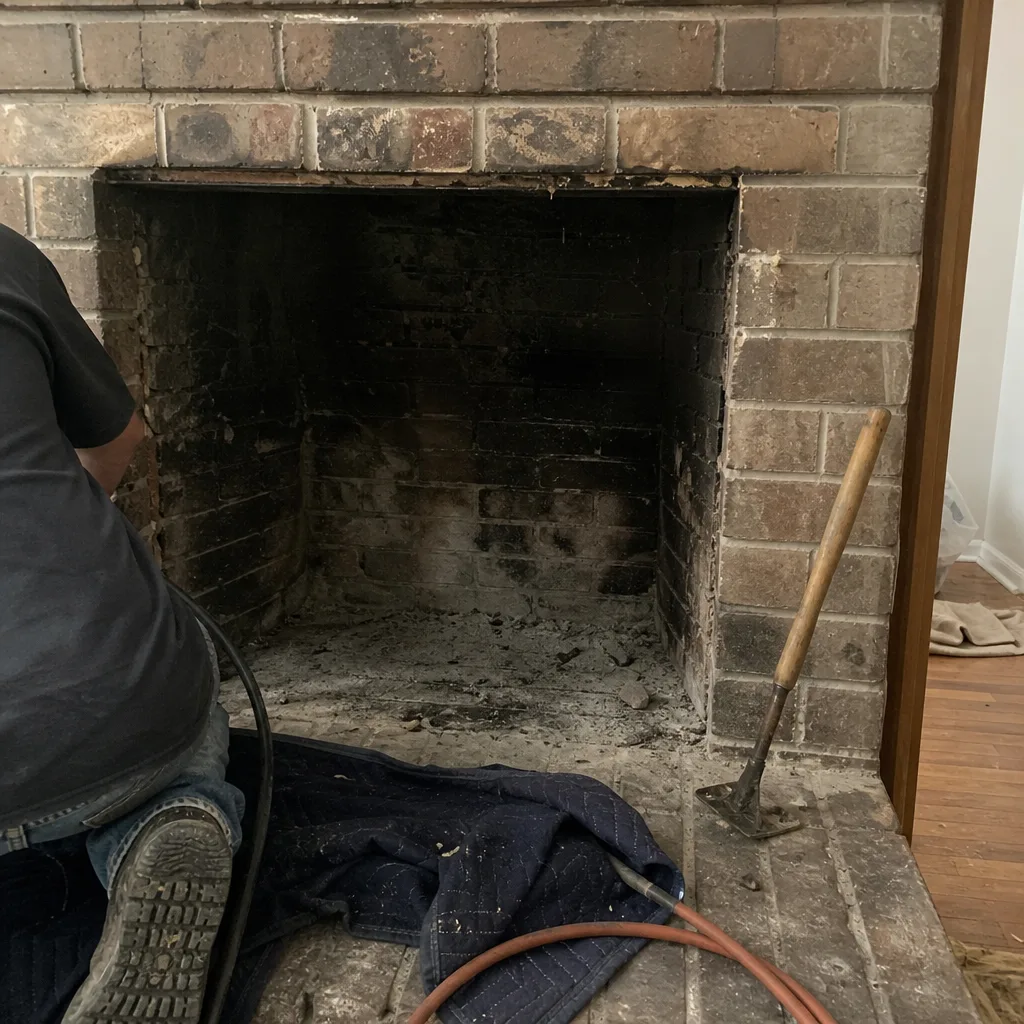
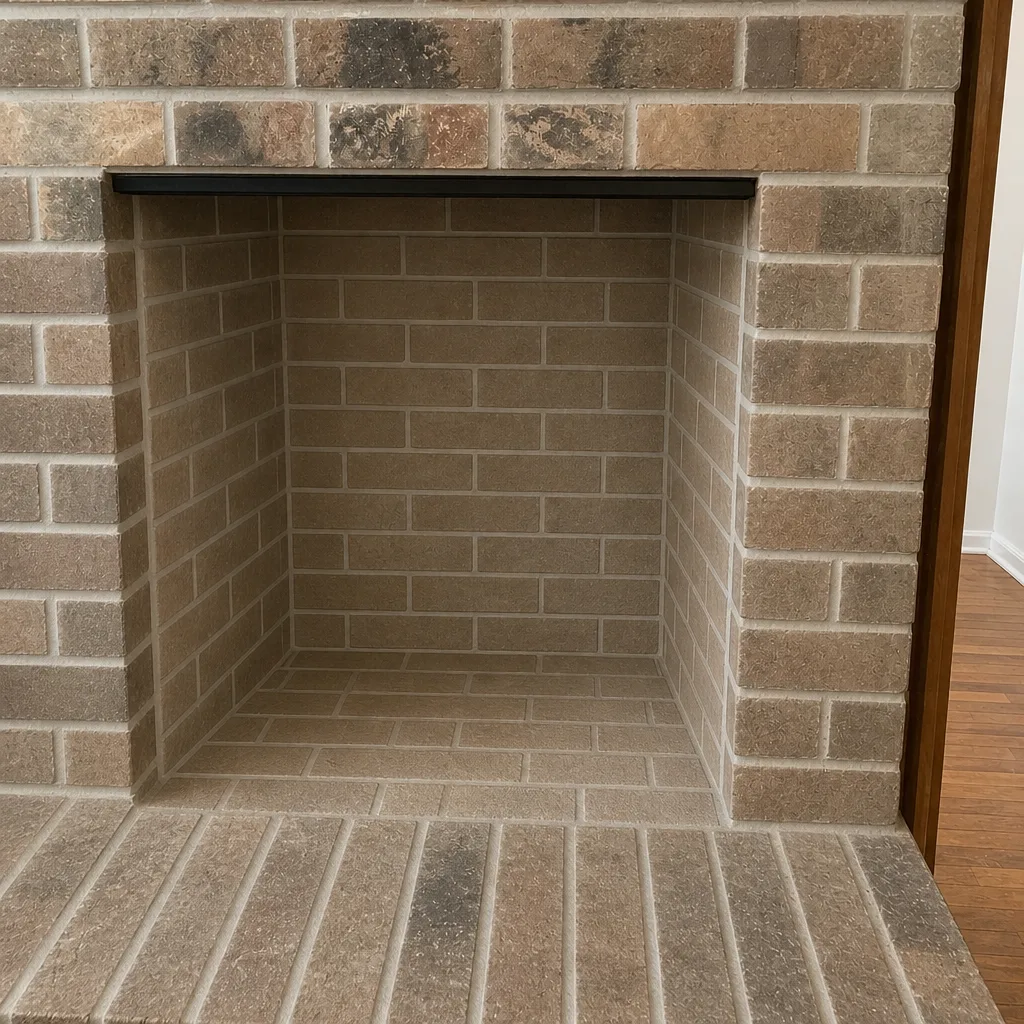
See the difference
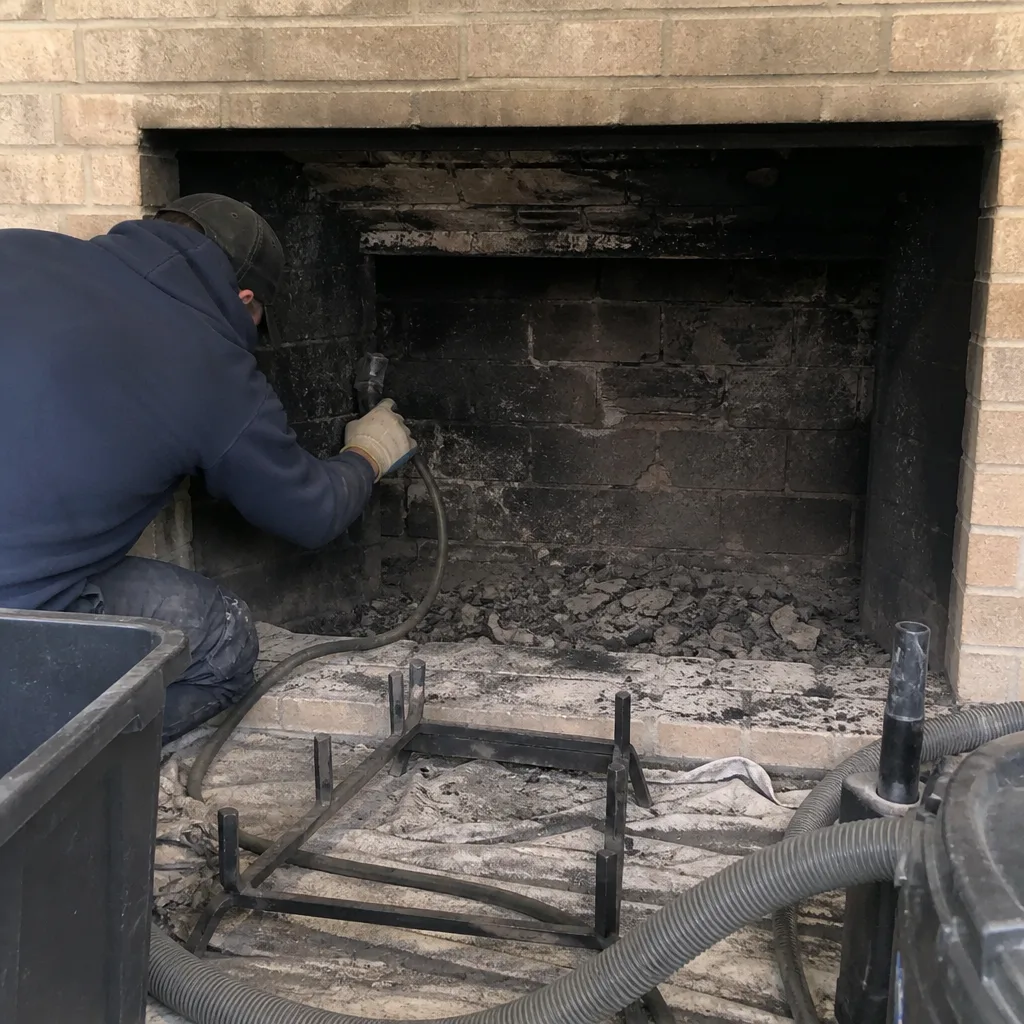 Before
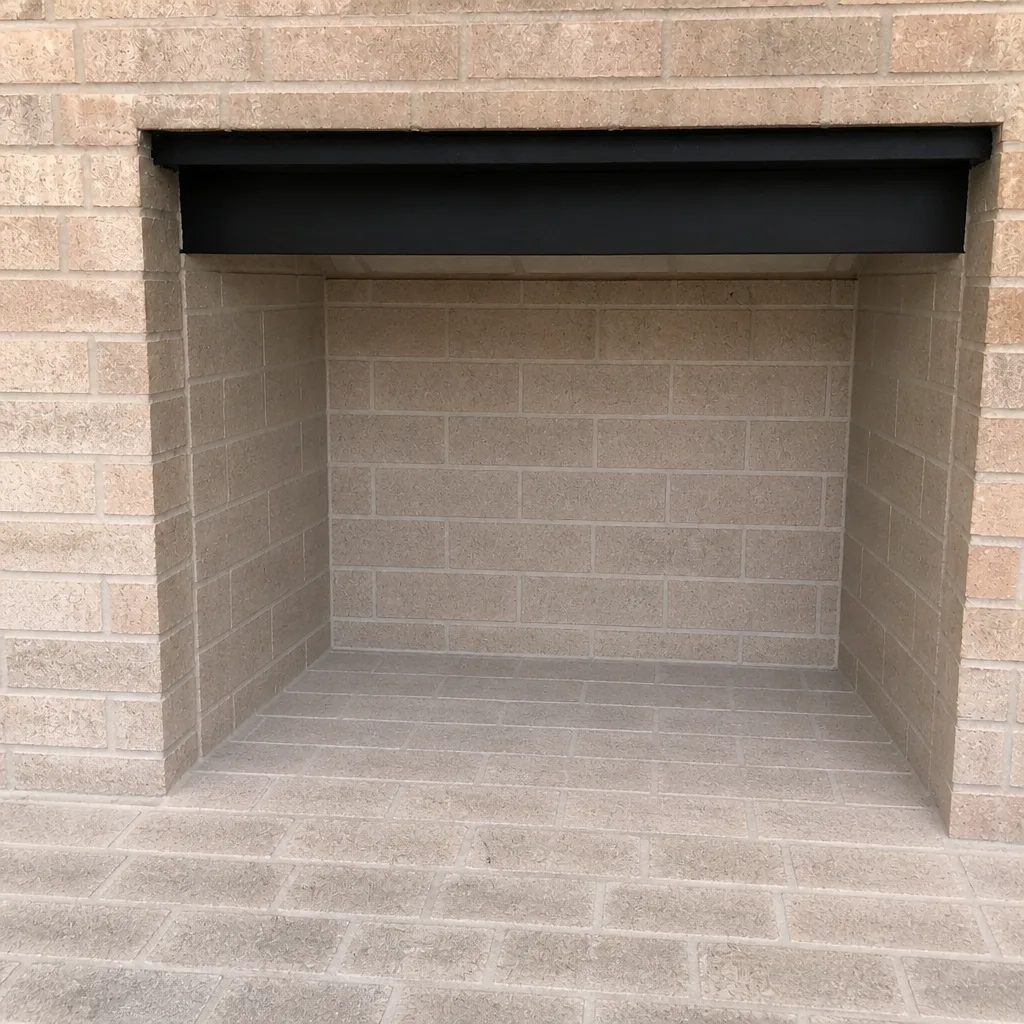 After
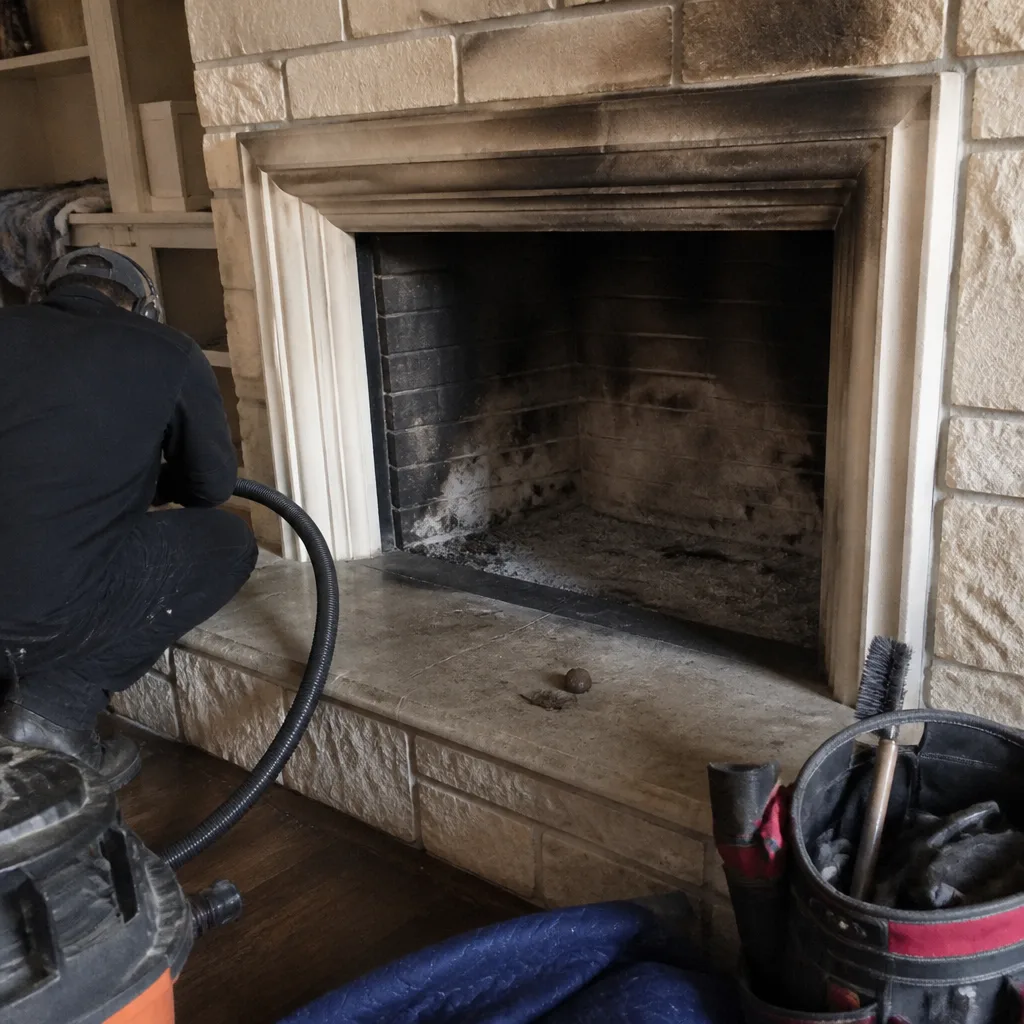 Before
 After
 Before
 After
When to Call a Professional
Cleaning a chimney yourself isn’t realistic with the equipment it takes to do a proper job, and inspecting and repairing a flue is genuinely dangerous territory. High-tension components, roof access, and the risk of carbon monoxide from a compromised flue are all reasons to leave this to a trained professional. Call when you notice smoke backing up into the room, a creosote smell long after the fire is out, visible damage to the cap or crown, a storm has dropped debris on or in the chimney, or it’s simply been more than a year since the last inspection. If a chimney fire has occurred, even a small one, the flue needs a professional inspection before it’s used again.
Chimney Sweep Lake Highlands offers free estimates in Lake Highlands; call (833) 508-9984. We answer 24/7. Fast dispatch from 7am to 7pm, Sunday through Friday.
Frequently Asked Questions
Chimney cleaning typically runs in the range of a straightforward maintenance appointment, with the final price set by a written estimate based on your chimney’s type, condition, and whether a camera inspection is included. We give you a flat price before the work starts so you know what the appointment costs going in. Call (833) 508-9984 for an exact quote; estimates are free.
Once a year if you burn, and inspected once a year regardless. Lake Highlands households that burn in short cold-snap cycles can build creosote faster than households burning continuously, so don’t skip a season just because you think you didn’t use the fireplace much. Call (833) 508-9984 to book your annual inspection.
Creosote accumulates on the flue walls, and at the second and third-degree stages it becomes flammable. A blocked or narrowed flue can also push smoke and carbon monoxide back into the house instead of venting it. Skipping a year is usually fine; skipping several is where real risk and real expense build up. Call (833) 508-9984 to schedule a cleaning and inspection.
Only if the inspection finds one. A cracked, offset, or deteriorated flue liner can let heat and gases into the surrounding masonry, and in that case a reline using a system like DuraFlex or Olympia Chimney, or resurfacing with HeatShield where the liner is still salvable, is the appropriate fix. If the liner is intact, you don’t. We won’t recommend a liner without camera evidence you can see for yourself, and many recommended repairs can safely wait for a follow-up. Call (833) 508-9984 for an honest assessment.
Yes, because it blocks the draft and it’s combustible. A nest in the flue can restrict venting, send smoke into the room, and catch fire if it’s in the path of heat. It needs to come out before the next burn, and a cap should go on to prevent a repeat. Call (833) 508-9984 to have it removed and capped.
The sweep removes creosote and debris; the inspection finds the condition of the flue, crown, cap, and firebox, documented with photos. They belong in the same appointment. A shop that only sweeps and doesn’t inspect will miss the problems the sweep reveals. Call (833) 508-9984 for an appointment that includes both.
We handle the full scope, from the firebox to the cap, including fireplace repair, cap and crown work, liners, and structural chimney repair. No handoffs to subcontractors for different scopes. Chimney work is all we do, so every job gets a specialist. Call (833) 508-9984 with what you’ve been told and we’ll walk through it with you.
The Bottom Line
Cleaning in Lake Highlands isn’t only about getting soot out; it’s about what the soot tells you. Older masonry chimneys in this part of North Texas deserve more attention than newer systems because the liner, mortar, and crown age differently, and the local burn pattern of short, intense cold-snap seasons builds creosote in ways that continuous burning doesn’t. The annual appointment should include sweeping, camera inspection, photos you can see, and a written report that separates cleaned from needs-work. That documentation is what lets you tell a legitimate repair scope from an upsell. If you haven’t had yours done in the last year, or if something looks off, it’s worth getting a look before the next burn season.
Chimney Sweep Lake Highlands offers free estimates for cleaning, inspection, cap and crown work, and repair. Call (833) 508-9984 to schedule. We answer 24/7. Fast dispatch from 7am to 7pm, Sunday through Friday.
Written by the team at Chimney Sweep Lake Highlands.