
Last updated November 22, 2026
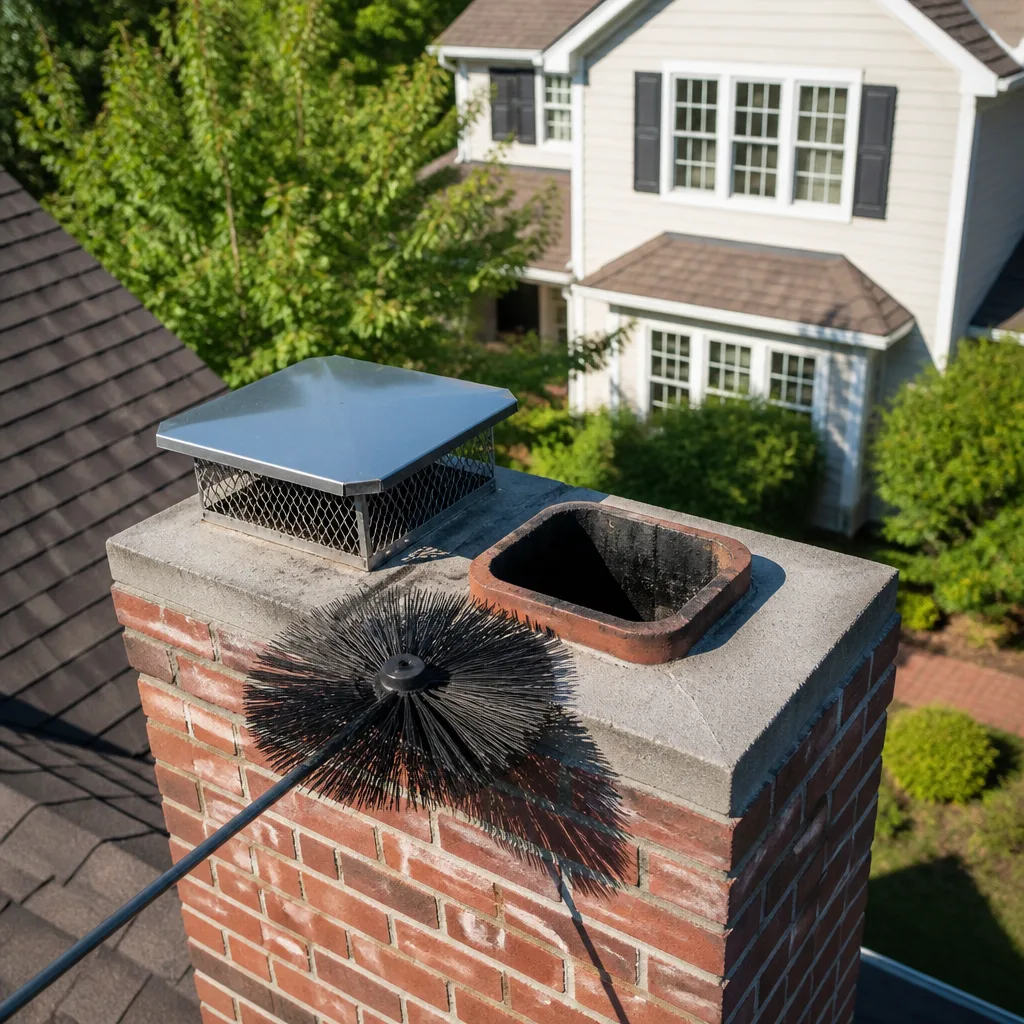 Sweep & inspection
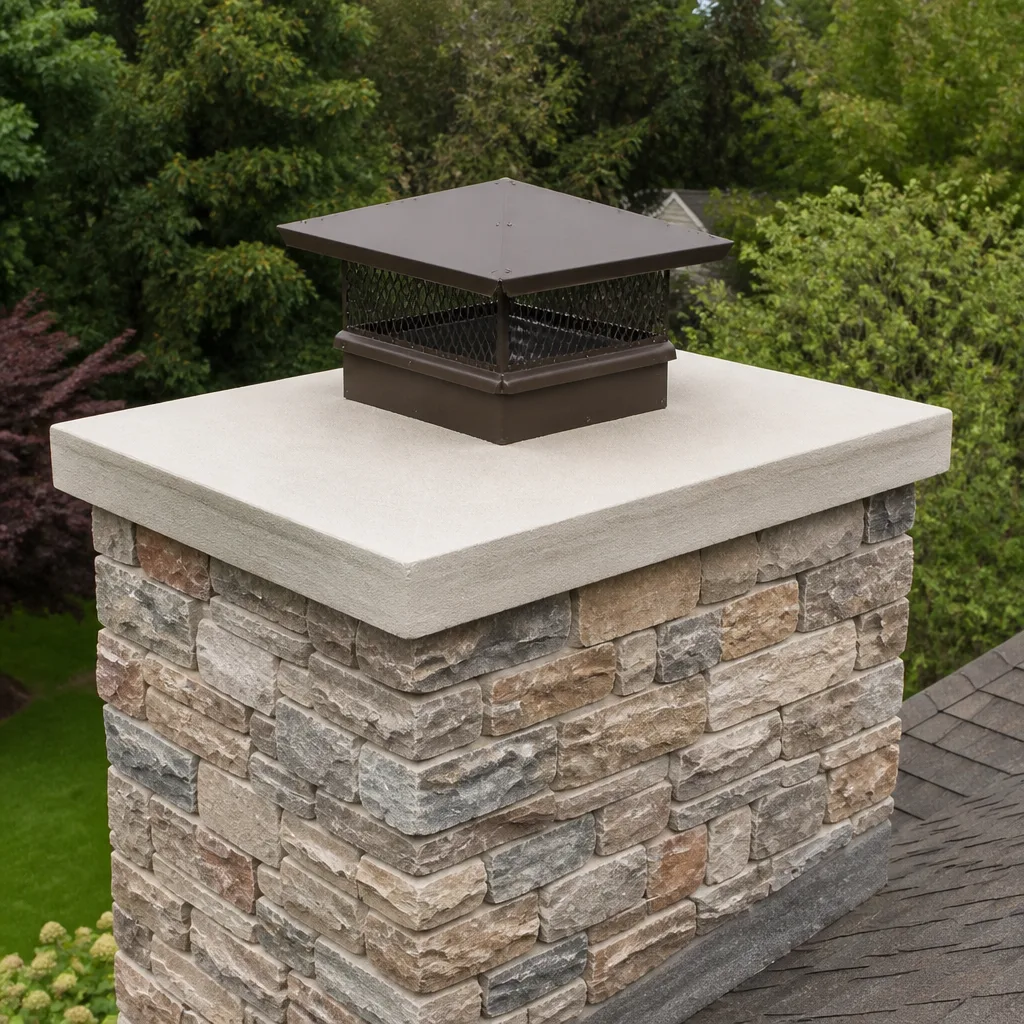 Caps & crowns
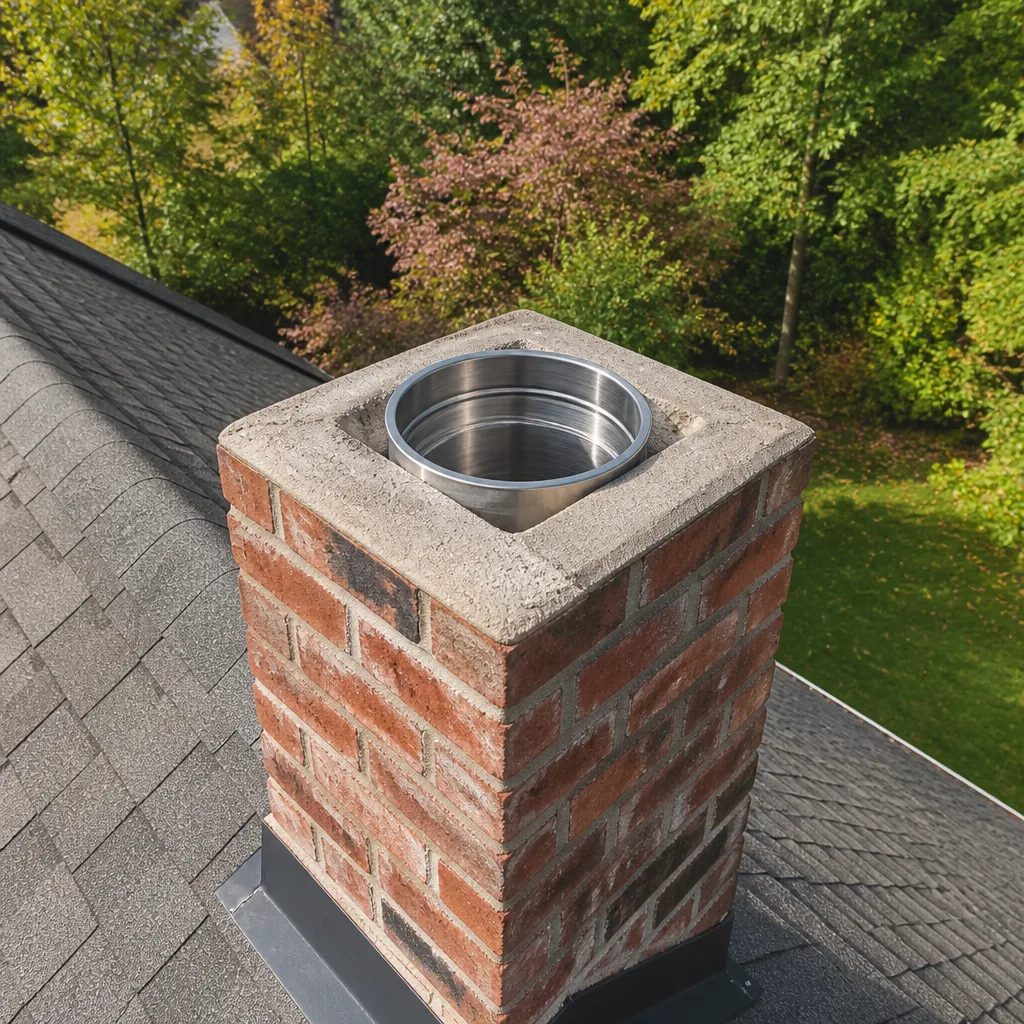 Flue relining
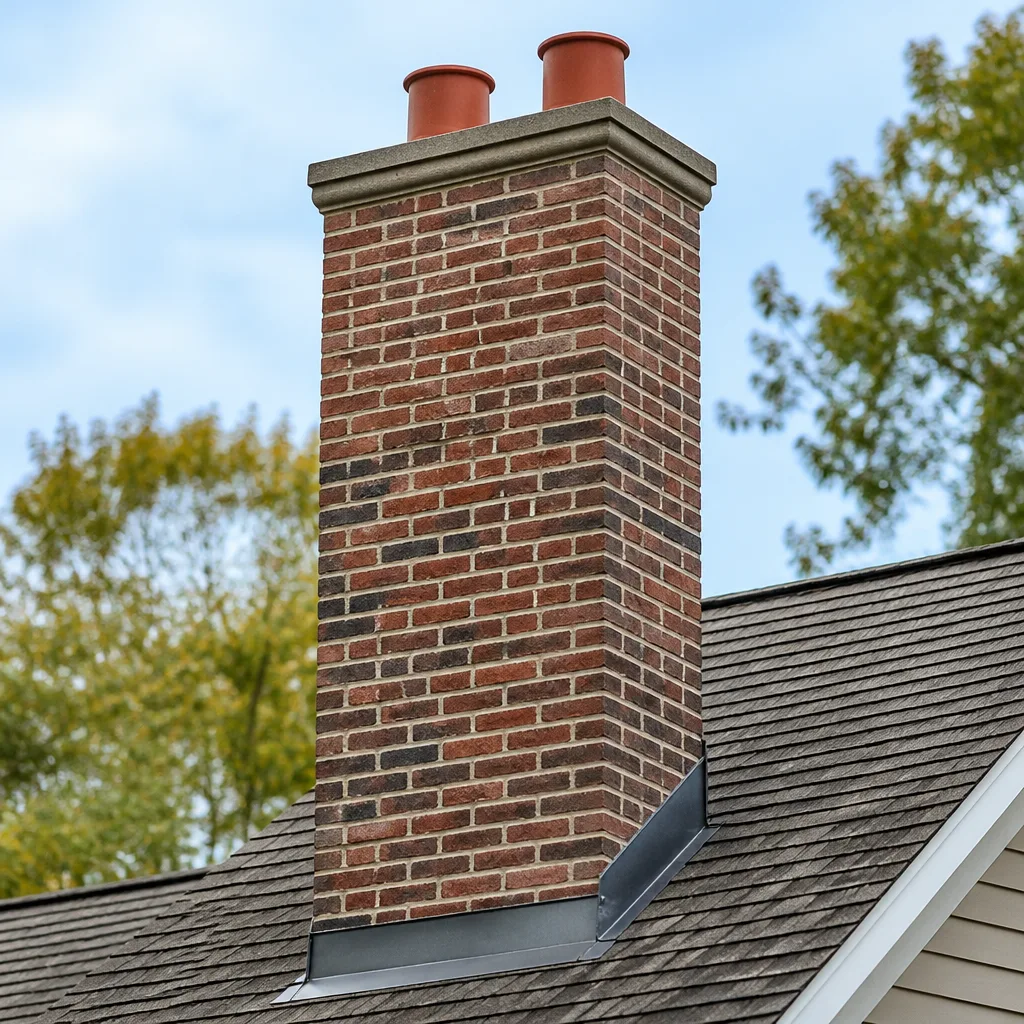 Masonry repair
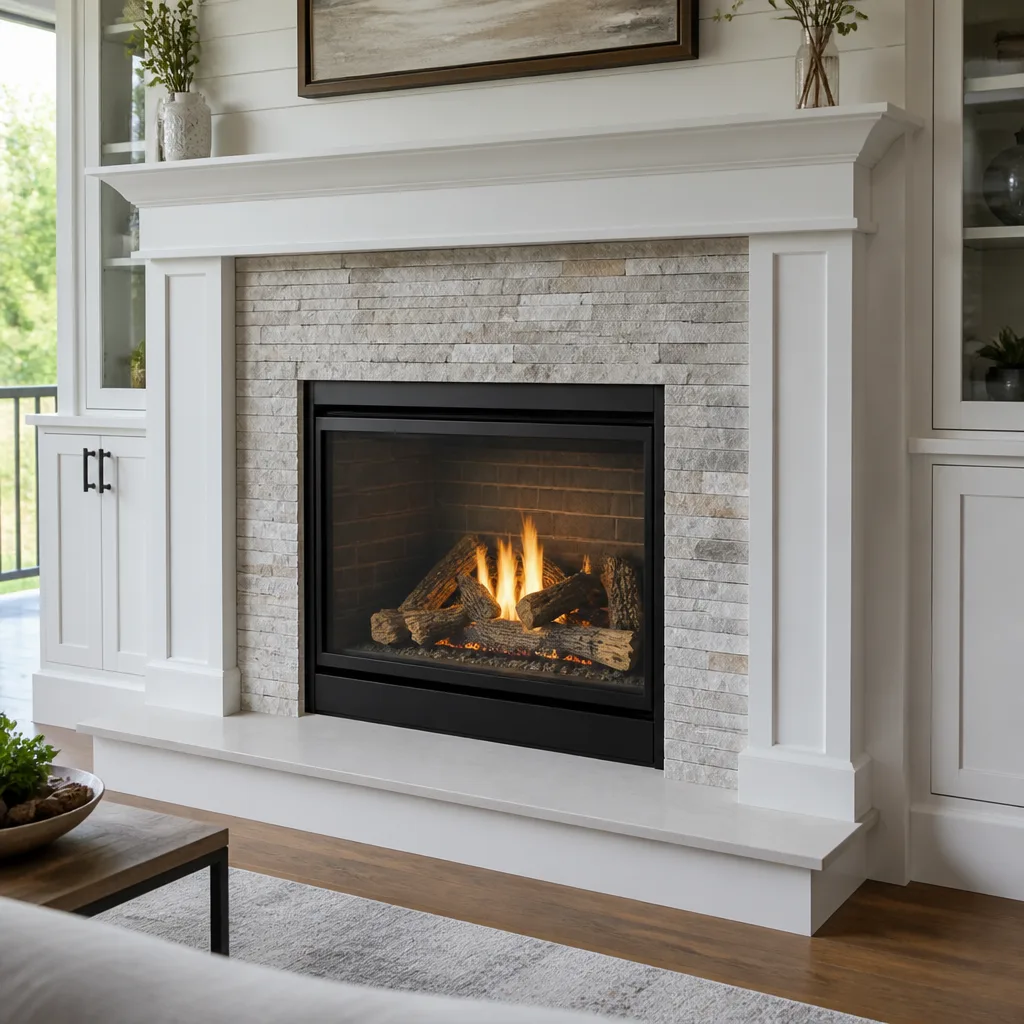 Gas fireplace service
Level 1 sweep and inspection to the NFPA 211 annual standard - flue, crown, cap, and flashing checked and photographed
Chimney sweep logs do not sweep chimneys. They loosen some creosote - which then falls where a brush and vacuum still have to collect it.
Seasonal Chimney Cleaning Care for Lake Highlands: Year-Round Homeowner’s Guide
Most chimney advice you’ll find online was written for places with long, hard winters, and it doesn’t fit here. Lake Highlands chimneys sit idle for roughly six to seven months a year, and that dormant stretch is when some of the most damaging conditions quietly develop: birds and squirrels move into an open flue, summer heat works on aging mortar, and spring storms hammer caps and crowns while nobody’s looking up. The burn season itself is short and mild, but the damage calendar runs all twelve months. In this guide we’ll walk you through what actually needs to happen in each season, how to set a care schedule that matches how much you burn, and the specific mistakes Lake Highlands homeowners make most often. If you’ve ever wondered whether you’re sweeping too little or too much, this is for you.
Quick Answer
Chimney care in Lake Highlands should follow a seasonal rhythm rather than a single yearly sweep: schedule structural repairs and liner work in summer when the chimney is dry and idle, run a pre-season checklist in fall before the first fire, watch for draft and smoke problems during the burn season in winter, and inspect for storm and animal damage each spring. Households that burn two or more cords a season generally need an annual sweep, while occasional users can often stretch the interval, but everyone should get an inspection once a year. A camera inspection with a photo report tells you exactly what your chimney needs, and you should never be sold thousands of dollars of liner or masonry work you can’t see the evidence for yourself.
Styles & brands we work with
- Sweep & inspection
- Caps & crowns
- Flue relining
- Masonry repair
- Gas fireplace service
Table of Contents
- Why Seasonal Care Beats Annual Guesswork in Lake Highlands
- Summer: The Off-Season Window for Repairs and Liner Work
- Fall: Your Pre-Season Checklist Before the First Fire
- Winter: What to Watch During the Burn Season
- Spring: Post-Storm Inspection and the Nesting Window
- How Often Should You Schedule Based on Burn Volume?
- Choosing a Chimney Company in Lake Highlands
Why Seasonal Care Beats Annual Guesswork in Lake Highlands
The chimney problems we see most in Lake Highlands don’t come from extreme cold. They come from swing. A January in this part of North Texas can run warm enough to open the windows and cold enough the same week to build a fire, and that back-and-forth movement in the masonry is harder on a chimney than a steady freeze would be. Then spring arrives with violent storms, summer parks the chimney in heat and disuse, and by fall the whole system needs a fresh look before you light it again.
That pattern means a single annual visit, timed the same way every year, will miss things. A chimney that got through October clean can pick up a cracked crown in an April hailstorm and a bird’s nest in May. Treating care as a seasonal cycle rather than one annual appointment is the difference between catching a small problem and discovering it after it’s grown.
Here’s what each season actually asks of you:
- Summer is for the work that needs dry, idle conditions: liner resurfacing, crown repair, and relining.
- Fall is for verification: draft, damper, creosote load, and animal exclusion.
- Winter is for observation: how the fire behaves, how the house smells, what the exterior looks like.
- Spring is for cleanup and storm inspection: caps, crowns, mortar joints, and nesting.
None of these steps take long. Together they add up to a chimney that stays safe and stops small repairs from turning into structural ones. And because the work is spread across the year, you’re never scrambling in October to get on someone’s schedule along with everyone else in Lake Highlands.
Summer: The Off-Season Window for Repairs and Liner Work
Summer is the smartest time for any chimney job that isn’t urgent, and it’s the season most homeowners overlook. Between June and September, the chimney is dry, no fire is competing for the space, and repair work has room to cure properly in steady warm air. It’s also when a chimney company’s calendar is easiest to work with. If you’ve ever tried to book a sweep in the two weeks before Thanksgiving, you already know why the off-season is worth using.
The jobs that fit summer best:
- Liner resurfacing and relining. When a flue liner is cracked or deteriorating, it can often be resurfaced with a system like Chimney Sweep Lake Highlands professionals apply in the field, or relined with a flexible system such as DuraFlex or Olympia Chimney. Dry summer conditions give the materials the best chance to cure well.
- Crown and cap repair. A cracked crown lets water into the masonry every time it rains, and summer is the time to fix it before the fall rains arrive.
- Masonry repointing. Reworked mortar joints need a stretch of dependable weather to set.
- Firebox and damper work. Our fireplace repair work is often smoother in the off-season, when there’s no fire to work around.
If you use a gas fireplace or a wood-burning insert, summer is also a good time for a full inspection before the fall rush. HeatShield resurfacing for damaged flue liners is one of the repairs that belongs squarely in this window, and many sweep-only companies can’t perform it at all. Doing the work now means you’re not waiting on a fix in January when everyone in Lake Highlands suddenly wants one.
Fall: Your Pre-Season Checklist Before the First Fire
Before you light the first fire of the season, work through a short checklist. Most of it you can do yourself; a couple of items should be verified by a technician. The point is to know the state of your chimney before you commit to a fire, not after smoke backs into the room.
- Test the draft. On a cool morning, hold a lit piece of newspaper near the open damper (or a lighter at the flue opening on a gas unit) and watch whether the smoke draws up and out. If it hesitates or spills into the room, stop and call for a technician before you burn anything.
- Open and close the damper. It should move through its full range without sticking or grinding. A damper that won’t fully open is a smoke problem waiting to happen.
- Check for creosote from last season. Shine a light up the flue and look for a crusty, dark build-up. If you can see more than a thin glaze, it’s time to book a chimney sweep before the first burn.
- Look for animal activity. A nest or debris in the flue is the single most common cause of a blocked chimney at the start of the season.
- Inspect the exterior. Get on the ground and look at the cap and crown. A missing cap or a cracked crown will only get worse through the winter.
- Confirm the flue is clear. No birds, no leaves, no squirrel stashes. If you can’t tell, an inspection settles it.
Do this in early fall, before the first cold snap brings everyone in Lake Highlands out to schedule service. And if anything on the checklist looks wrong, don’t light a fire to “see if it clears up.” A blocked or damaged flue can push carbon monoxide into the house, and that’s not a risk worth testing.
Winter: What to Watch During the Burn Season
Winter in North Texas is a short burn season, but a mild one is exactly what allows slow problems to go unnoticed. You’re not using the fireplace every night, so changes are easy to miss. Watch three things during active use and treat any of them as a signal to stop burning and have the chimney checked.
- Smoke spillage. If smoke rolls out of the firebox instead of drawing up, the draft has changed. This can come from a partial blockage, a closed or broken damper, or a flue that’s overdue for a sweep.
- Odor changes. A sudden strong creosote smell, a smoky smell when there’s no fire, or a drafty smell on windy days usually points to airflow. Sometimes it’s a sign the cap or damper is no longer sealing.
- Exterior changes. If your January and February weather swings between warm and cold, look for cracking, flaking, or missing mortar on the crown and in the joints. Small exterior openings let water in, and that water freezes and expands, widening the gap.
The best guard against all three is a proper chimney cap & crown setup at the top of the chimney. A cap keeps out rain, birds, and squirrels, and a sound crown sheds water away from the masonry instead of into it. Together they address the most common source of chimney water damage. If your cap has gone missing or your crown is cracked, winter is a good time to have it evaluated so the damage doesn’t get a head start on spring.
One safety note worth stating plainly: if you smell gas near a gas fireplace or log set, or your carbon monoxide alarm goes off, leave the house and call your gas utility or emergency services from outside. That’s not a job to diagnose on your own.
Spring: Post-Storm Inspection and the Nesting Window
Spring is when Lake Highlands chimneys take a beating, and it’s also when they become popular real estate. North Texas spring storms bring hail and wind that can strip a cap, crack a crown, or loosen mortar. Then the chimney swifts arrive.
Chimney swifts are a protected migratory species, and once their nest is in your flue, the rules change. Under federal protections you generally can’t remove an active nest, so the practical move is to check the flue before the nesting window opens and cap it while the chimney is empty. If you already hear chattering or fluttering from the flue in spring, call a chimney professional rather than opening the damper to look.
Your spring checklist:
- Walk the roofline and check the cap. Hail or wind may have knocked it loose or off entirely.
- Inspect the crown for cracks. Look for splits, spalling, or a crown that pulls away from the flue.
- Check mortar joints. Rain and freeze-thaw loosen mortar, especially on the chimney’s south and west faces.
- Check for animals before nesting season. Cap the flue while it’s clear of birds.
- Look at the waterworks. Rust, staining, or peeling paint on the chimney chase is a sign water is getting in somewhere up top.
Spring is also the best time of year to schedule your annual inspection. Doing it after storm season but before summer repairs means any damage that needs to be fixed gets fixed in the good-weather months. In our experience, a spring inspection catches a lot of the small issues that Lake Highlands chimneys develop over the winter and the storm season together.
How Often Should You Schedule Based on Burn Volume?
How often you sweep depends on how much you burn. A Lake Highlands household that goes through two cords of wood in a season is putting far more creosote into the flue than one that lights a fire on a handful of cold nights. The equipment is the same; the load isn’t.
A general framework for scheduling:
| Household type | Typical burn volume | Suggested sweep interval | Inspection |
|---|---|---|---|
| Occasional user | A few fires per season | Every 2-3 years, or when the flue shows visible build-up | Annually |
| Regular user | Roughly one cord or more | Once a year, before the season | Annually |
| Heavy user | Two or more cords | Once a year, or sooner if creosote builds fast | Annually |
| Gas | Any use | As needed for blockages or debris | Annually |
Even occasional users should get an inspection once a year. Creosote and blockage risk aren’t the only concerns; debris, animals, and building changes are all worth a look with a camera, and it’s cheaper than discovering a problem mid-season. When in doubt, inspect and let the evidence decide whether a sweep is needed. If you’re not sure where you fit on the table, our technicians can look at the actual condition of your flue and tell you. The estimate is free, and the written estimate sets the final price.
Choosing a Chimney Company in Lake Highlands
A chimney is a small, specific part of a house, and the work on it is a specific trade. Generalist contractors and HVAC companies that sweep a chimney on the side can handle the easy cases. They aren’t the right call for a damaged liner, a failed crown, or a structural repair, because the discovery and the fix need to happen inside the same company.
What to look for when you’re choosing:
- Full survey scope. Look for a company that handles inspection, sweeping, cap and crown work, fireplace repair, and structural chimney repair without handing you off to someone else for part of it.
- Recognized materials. Companies that work with tradesman-grade products like DuraFlex, HeatShield, Gelco, Olympia Chimney, Famco, and Copperfield tend to know the difference between professional and commodity parts.
- Advanced repair capability. A damaged flue liner can often be resurfaced rather than replaced outright, and the ability to do that is one mark of a chimney specialist.
- Inspection framework. A proper inspection should be classified as Level I, II, or III based on what’s needed, and a Level II or III should come with camera evidence you can see.
- Single trade, always. Every technician on every job should be a chimney specialist, not a rotating generalist crew.
Because our whole business is chimney care, the full scope from the firebox to the cap lives under one company. That means one inspection can lead straight to a fix rather than a referral, and you’re not repeating the story to a second crew. The local pro is licensed and insured as their state requires, and we’ll give you a flat-price sweep agreed before we book, with a camera inspection and photo report included.
Common Mistakes to Avoid
- Waiting until the first cold snap to book. Every Lake Highlands household wakes up at the same time. Schedule in summer or early fall and you’ll avoid the crunch.
- Assuming a mild winter means you can skip the annual inspection. A light burn season brings its own risks: animal nests, water damage, and mortar cracking, none of which show up in the firebox.
- Sweeping every year without ever inspecting. A sweep cleans what’s there; an inspection tells you what’s underneath. You need both.
- Leaving the flue uncapped through the summer. Spring and summer are when birds, squirrels, and rain find an open chimney. A cap is the simplest fix you can make.
- Ignoring a cracked crown because the chimney “still works.” The crown’s job is to move water away from the masonry. A crack lets water in season after season, and the damage compounds.
- Lighting a fire after a blocked-flue smell or draft problem. If smoke backs into the room, stop and get it inspected. Carbon monoxide risk is real, and it’s not something to test.
- Accepting a liner or masonry quote without seeing the evidence. A camera inspection with a photo report lets you see the flue for yourself. If a company won’t show you the images, get a second opinion.
And a pattern worth naming: many homeowners in Lake Highlands have been told they need thousands of dollars of work by someone who never actually showed them the inside of their chimney. Nothing we recommend gets recommended without camera evidence you can look at, and if the work can safely wait, we’ll tell you that too. A second opinion that says “it’s fine for now” costs you nothing.
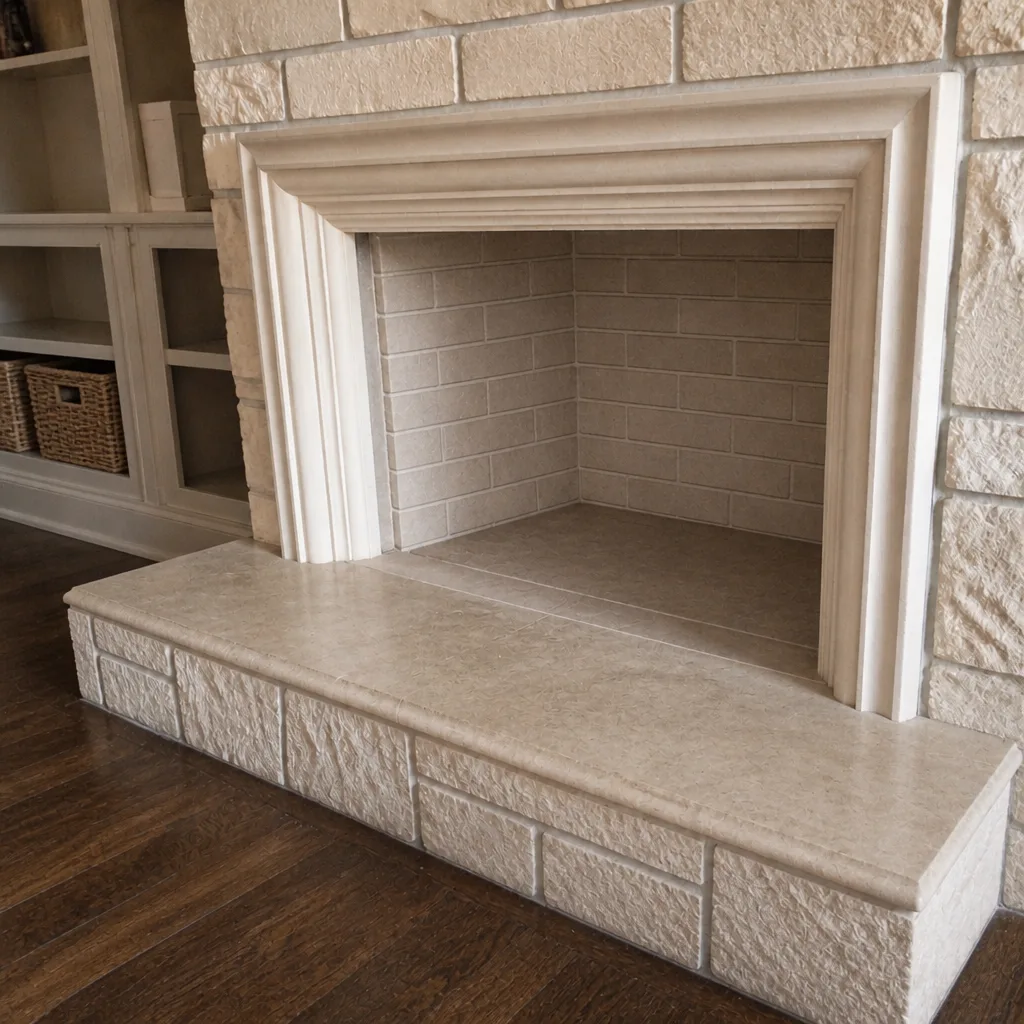
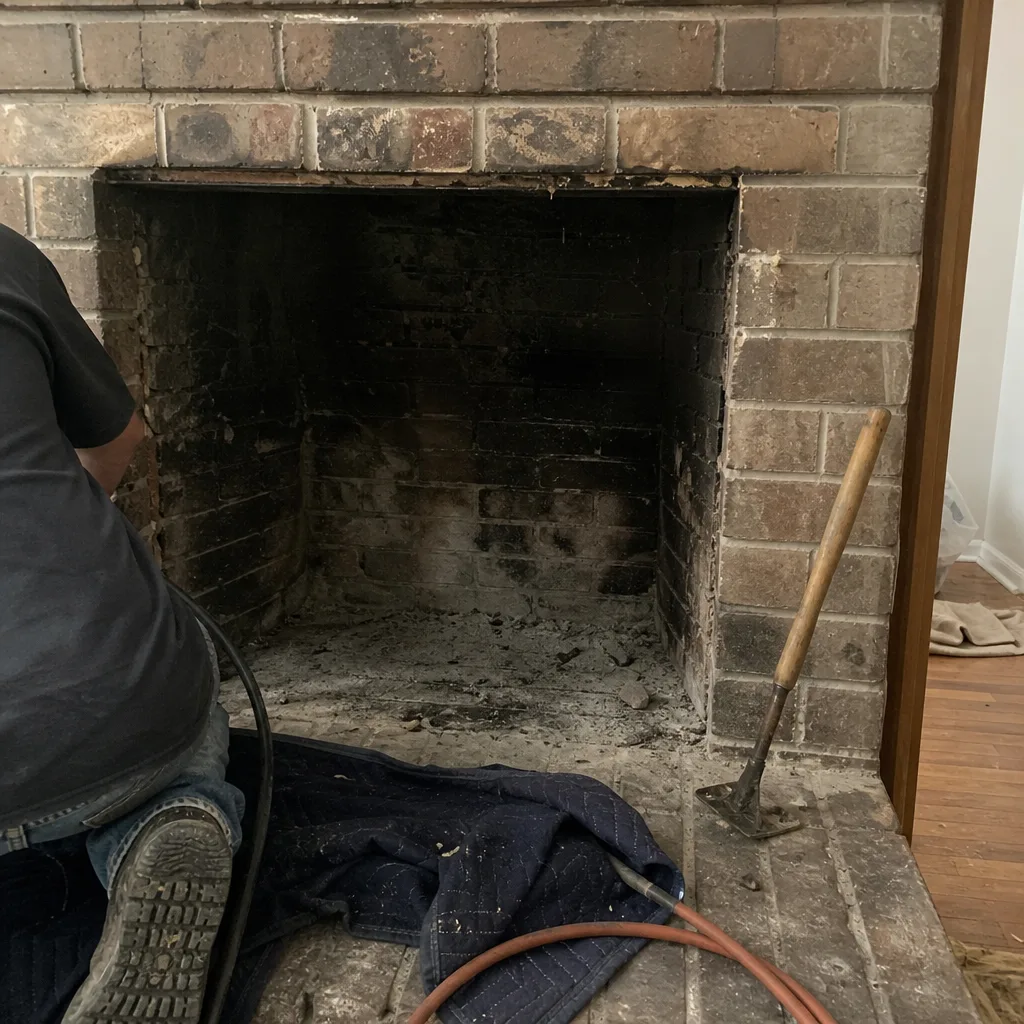
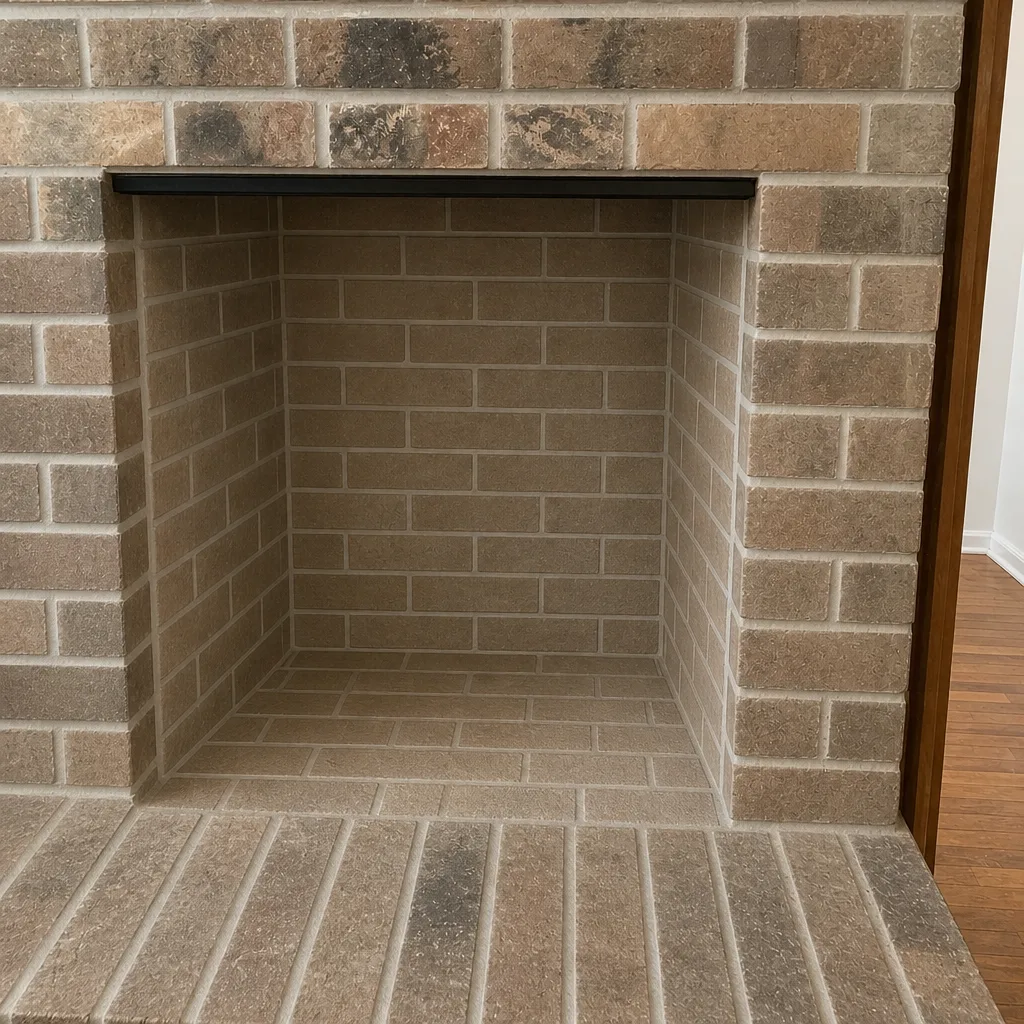
See the difference
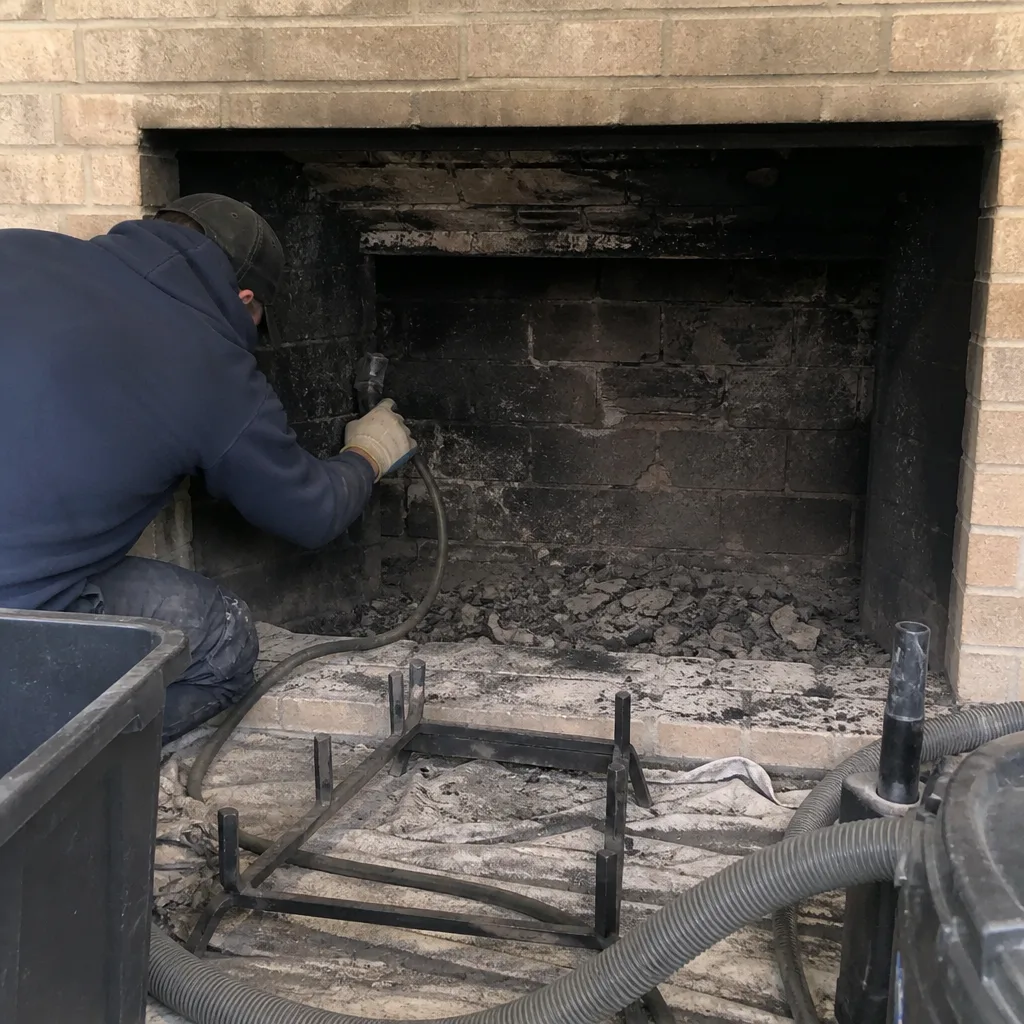 Before
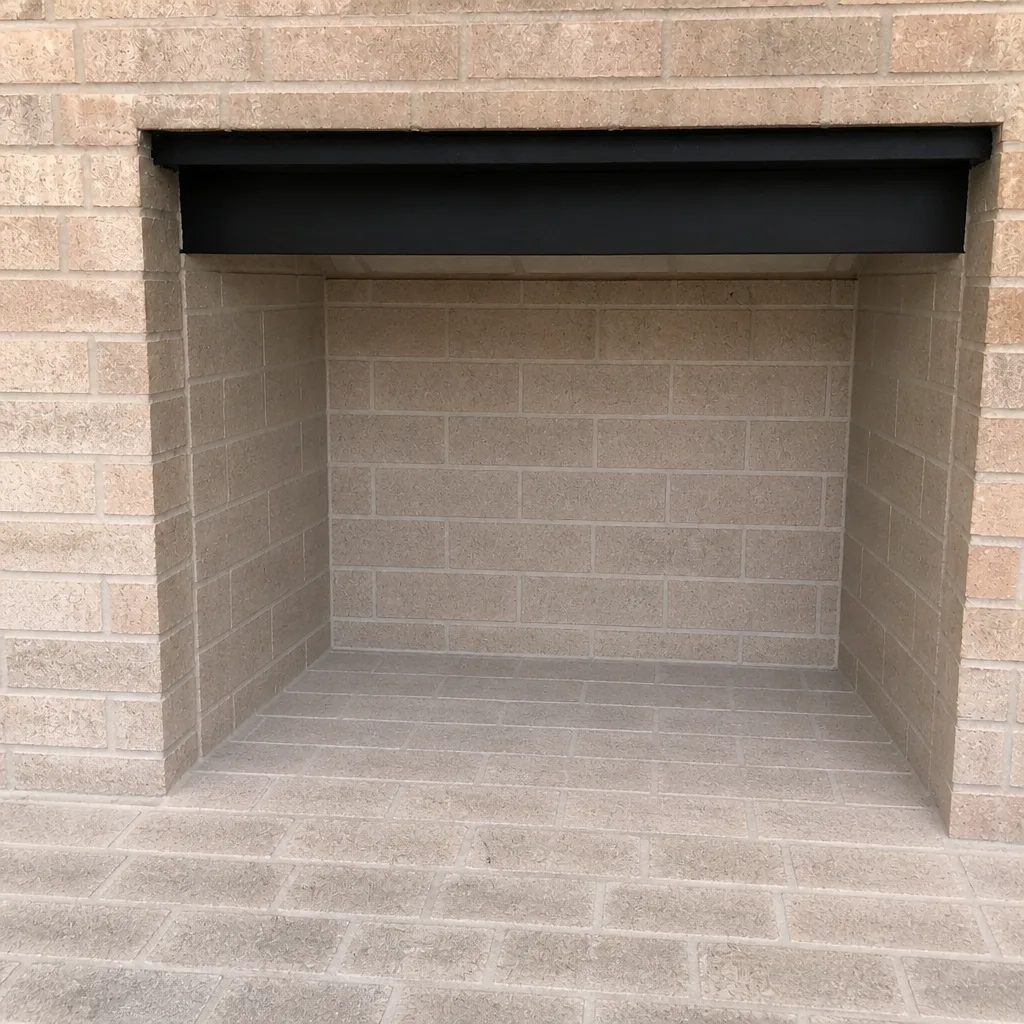 After
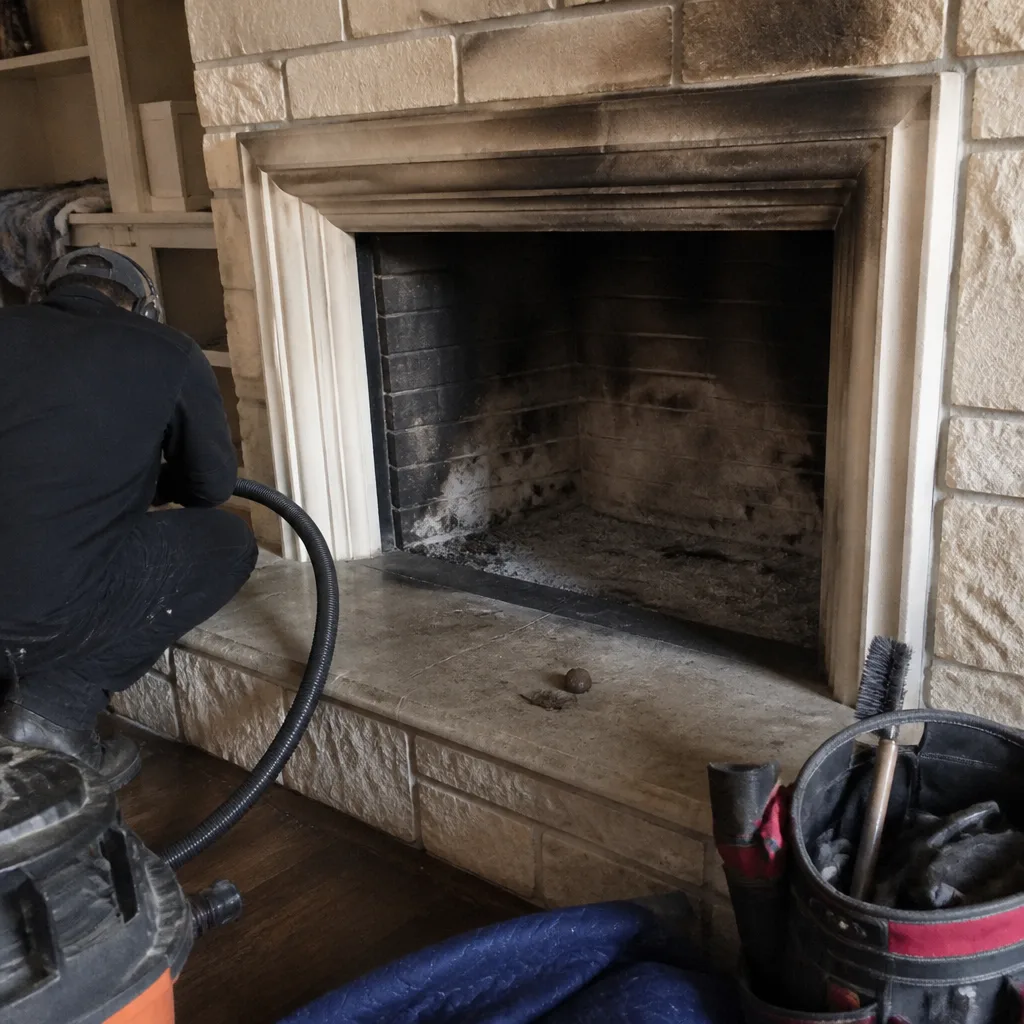 Before
 After
 Before
 After
When to Call a Professional
Call a professional if you see smoke spilling from the firebox, if your carbon monoxide alarm sounds, if you can smell gas near a gas fireplace, or if a bird, squirrel, or nest has taken up residence in the flue. You should also call before lighting the first fire of the season if you can’t see clearly up the flue, if the damper is stuck, or if your cap is missing or your crown is cracked. And call if it’s simply been a long time and you want an honest look before winter. Chimney Sweep Lake Highlands offers free estimates in Lake Highlands. Call (833) 508-9984. We answer 24/7. Fast dispatch from 7am to 7pm, Sunday through Friday. Our technicians have up to 8 years of experience.
Frequently Asked Questions
A standard sweep in Lake Highlands typically falls in the low-to-mid hundreds of dollars, and liner resurfacing or relining adds significantly more depending on the flue’s condition. Because the price is set per job by the written estimate, you’ll get the exact figure only after the inspection. Call (833) 508-9984 for an exact quote; estimates are free.
A chimney should typically be swept once a year for regular users, and every two to three years for households that light only a handful of fires. Heavy burners who go through two or more cords a season may need a sweep more often if creosote builds fast. Everyone should still get an inspection each year regardless of sweep schedule. Call (833) 508-9984 for an exact quote; estimates are free.
Not always. A damaged flue liner can sometimes be resurfaced with a HeatShield system rather than replaced outright, and the camera inspection is what decides which path is right for your chimney. You should never be asked to replace a liner you haven’t seen evidence about. Call (833) 508-9984 for an exact quote; estimates are free.
Creosote builds up in the flue over time, and a heavy enough build-up raises the risk of a chimney fire. Skipping the sweep also means ignoring debris, blockages, and appliance damage that can push carbon monoxide into the house. A yearly inspection catches those issues before they become dangerous. Call (833) 508-9984 for an exact quote; estimates are free.
No; it’s rarely too late, though the busiest weeks are just before the season starts. Scheduling in summer or early fall is easier on both availability and cure times for any repair. Call (833) 508-9984 for an exact quote; estimates are free.
Close the damper, keep the fire off, and call a chimney professional rather than trying to flush them out yourself. Chimney swifts are a protected species in spring, so if you hear chattering or fluttering during nesting season, treat it as a job for a technician. The permanent fix is a properly fitted cap. Call (833) 508-9984 for an exact quote; estimates are free.
The Bottom Line
A Lake Highlands chimney doesn’t need dramatic care; it needs rhythmic care. Two to four small checks a year, spread across the four seasons, keep it safe, and keep you from being surprised by a problem that started when you weren’t using the fireplace at all. Do the heavy repairs in summer, verify everything in fall, watch your fire in winter, and inspect after the spring storms and before the swifts arrive. Adjust your sweep schedule to how much you actually burn. And when someone tells you the chimney needs thousands of dollars of work, ask to see the camera images and a written estimate. We handle the full scope, from the firebox to the cap, using materials the trade trusts, and our whole business is chimney work. Call (833) 508-9984 to set up a free estimate and a flat-price sweep agreed before booking.
Written by the team at Chimney Sweep Lake Highlands.