
Last updated November 22, 2026
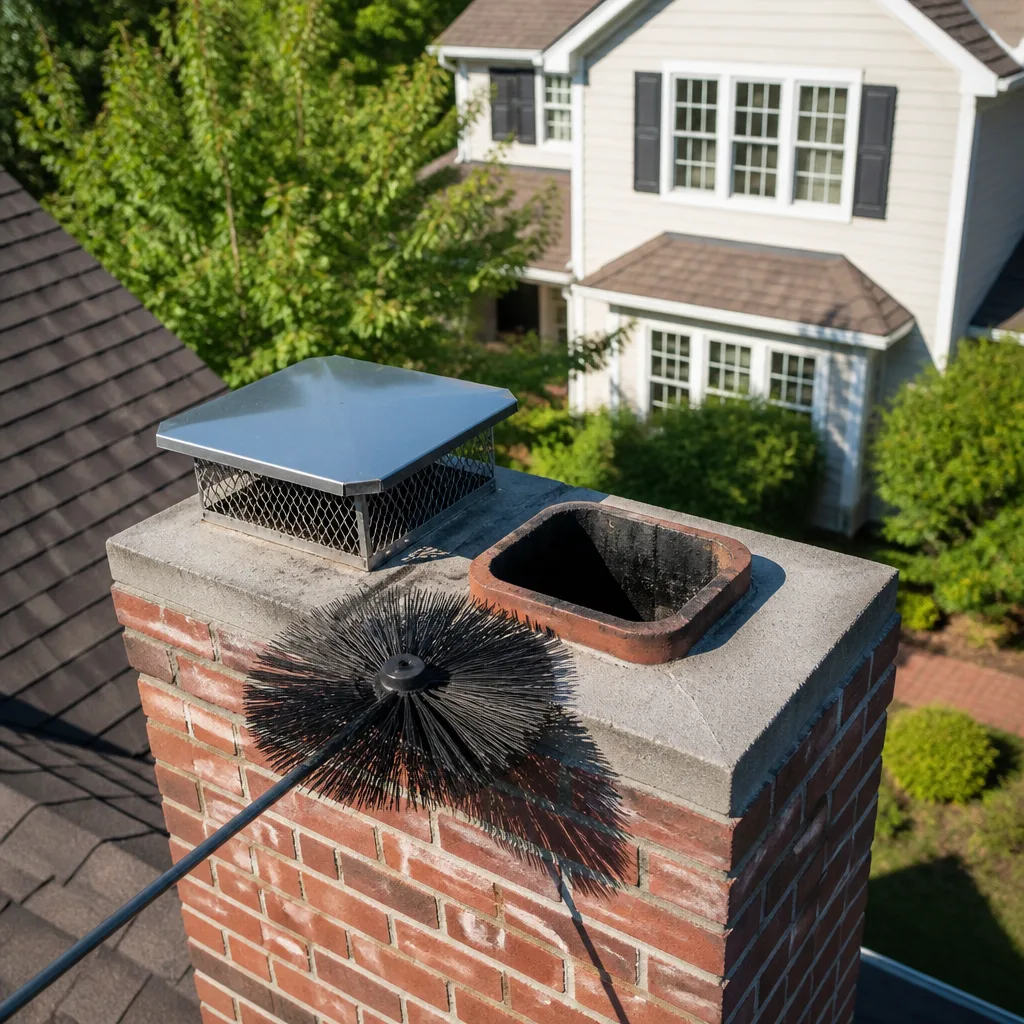 Sweep & inspection
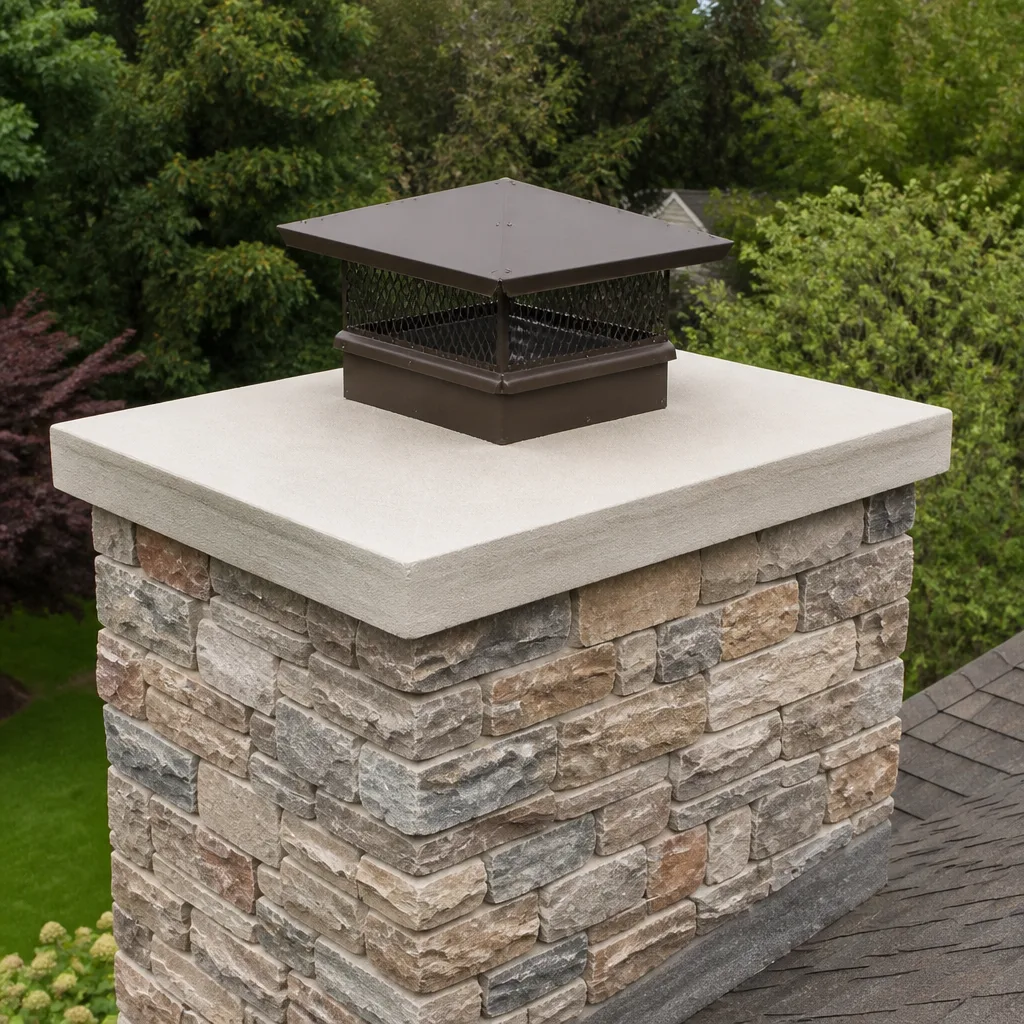 Caps & crowns
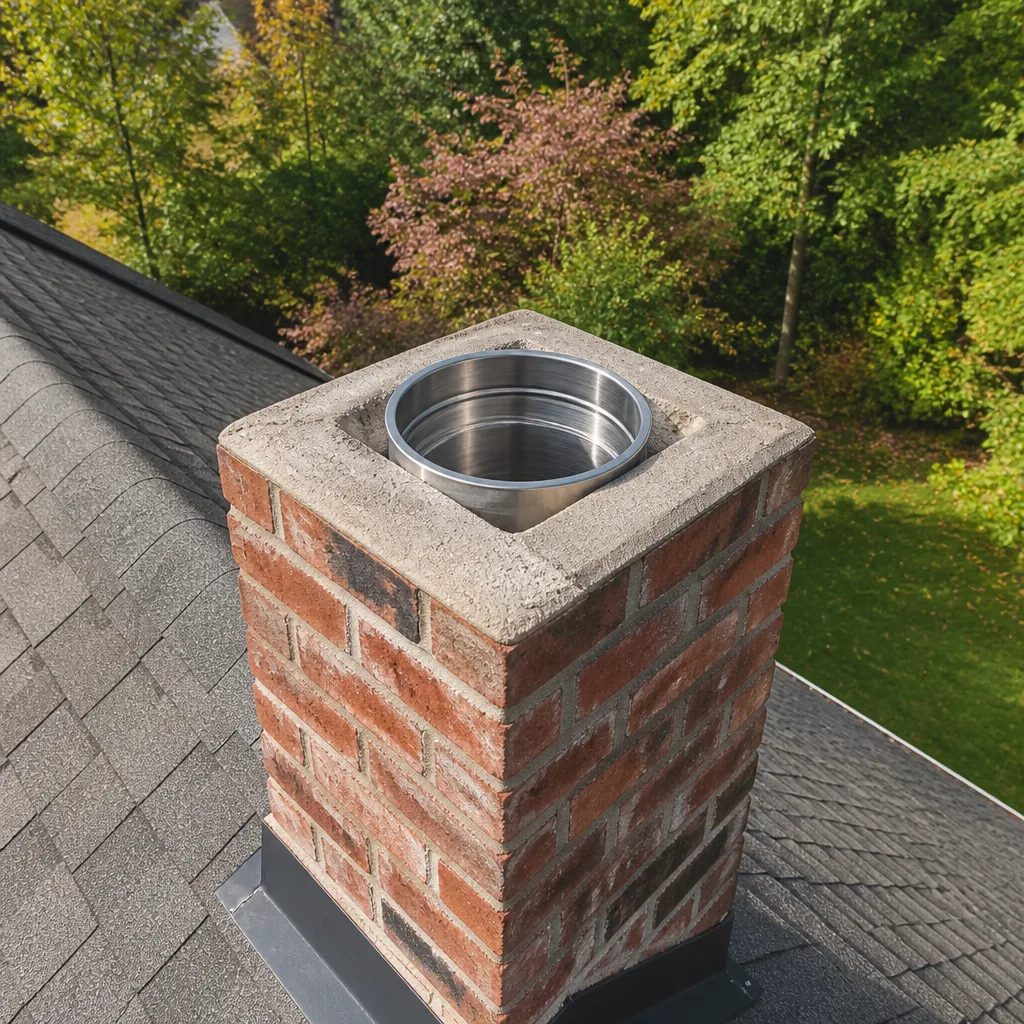 Flue relining
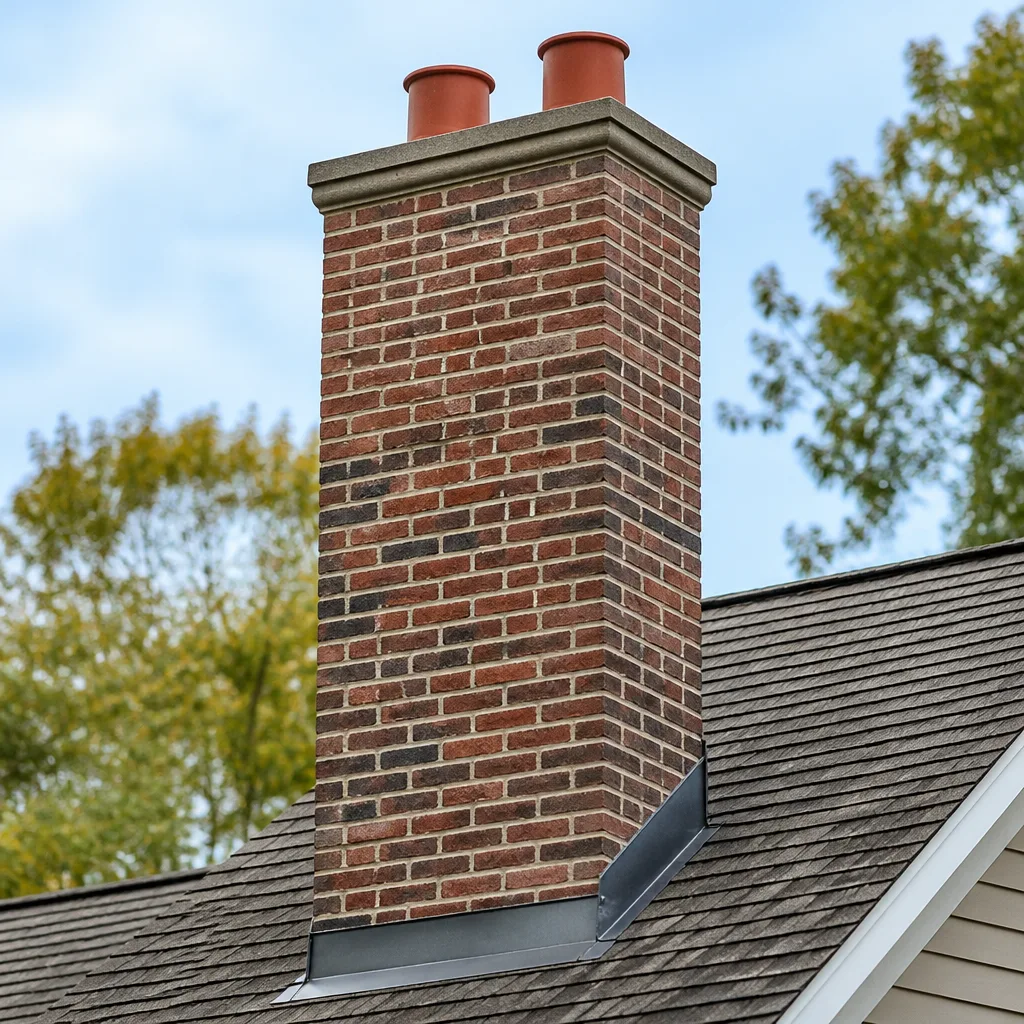 Masonry repair
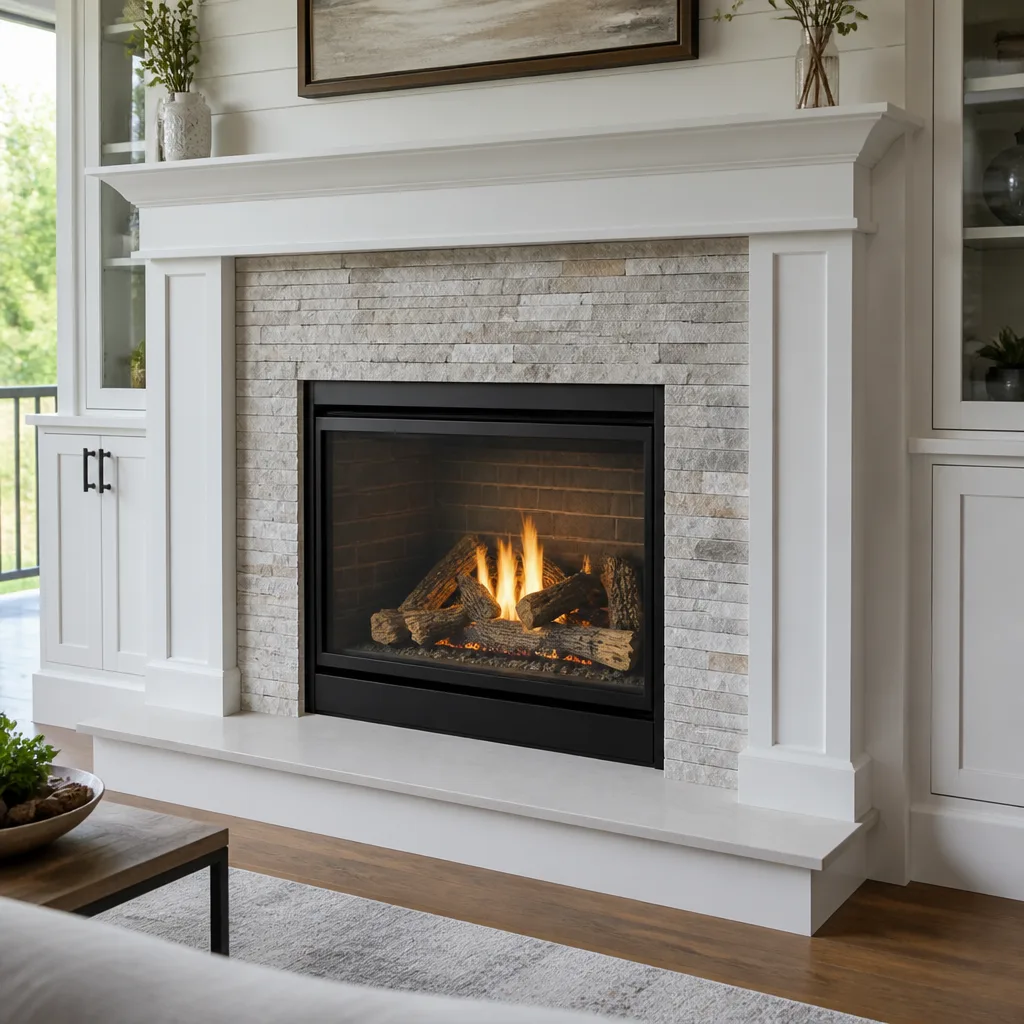 Gas fireplace service
Level 1 sweep and inspection to the NFPA 211 annual standard - flue, crown, cap, and flashing checked and photographed
Chimney sweep logs do not sweep chimneys. They loosen some creosote - which then falls where a brush and vacuum still have to collect it.
Chimney Cleaning Permits, Codes & Inspections in Lake Highlands, TX: What You Need to Know
Here’s the part most homeowners don’t hear until it’s a problem: a routine chimney cleaning almost never requires a permit, but the repair that cleaning uncovers usually does. The regulatory line in Lake Highlands sits not at the sweeping brush but at structural work: relining, firebox rebuilds, and anything that changes the chimney’s footprint or materials. Get the threshold wrong in either direction and you either pay for permits you never needed or inherit unpermitted work that surfaces during an appraisal or a sale. This guide walks through where Dallas permitting rules actually apply, what NFPA 211 inspection levels require of you, how local HOA rules shape what you can install, and how to ask a contractor for documentation without feeling like you’re accusing them of something.
Quick Answer
In Lake Highlands, a standard chimney cleaning and a visual inspection do not require a permit. Installing or replacing a flue liner, rebuilding a firebox, or altering a chimney’s structure typically does require a permit through the City of Dallas. Chimney caps and crowns are generally treated as exterior accessory work and usually fall outside the permit process, though HOA rules may still apply. When in doubt, the reliable move is to ask the contractor to confirm the permit status in writing before any structural work begins.
Styles & brands we work with
- Sweep & inspection
- Caps & crowns
- Flue relining
- Masonry repair
- Gas fireplace service
Table of Contents
- Which Chimney Jobs Need a Permit in Lake Highlands?
- What NFPA 211 Means for Your Chimney Inspection
- The Three Inspection Levels and When Each Applies
- How Dallas Code Applies to Older Lake Highlands Chimneys
- How Lake Highlands HOA Rules Affect Chimney Work
- How to Request Permit Documentation From a Contractor
- Why Permit Records Matter at Insurance and Sale Time
- Common Mistakes to Avoid
Which Chimney Jobs Need a Permit in Lake Highlands?
The permit question breaks cleanly along one line: maintenance versus modification. Cleaning a flue, sweeping a firebox, and a Level I visual inspection are maintenance. Cutting into the structure, replacing a liner, or rebuilding masonry is modification. Dallas permitting generally follows that same split, though the specific scope of any job is what determines the answer, so treat the list below as the working framework rather than a substitute for checking with the city’s building department on your particular project.
- Chimney cleaning and sweeping: no permit. This is routine maintenance, and no reasonable jurisdiction requires a permit to remove soot and creosote.
- Level I visual inspection: no permit. Nothing is opened or altered.
- Chimney cap replacement: usually no permit. A cap is an exterior accessory, not a structural element. HOA approval may still be needed (more on that below).
- Crown repair or replacement: frequently no permit when it’s a like-for-like repair at the top of the chimney. Full demolition and reconstruction of the crown can trigger one.
- Flue liner installation or replacement: typically requires a permit. A liner is part of the venting system, and replacing it is a structural and life-safety change.
- Firebox rebuild: requires a permit. Rebuilding the firebox changes the combustion chamber, and inspectors want to see how it was done.
- Structural masonry repair or chimney chase modification: requires a permit. Anything that changes the chimney’s dimensions, height, or load-bearing condition goes through the process.
What makes Lake Highlands a little different from newer suburbs is the housing stock. A lot of the neighborhood was built out in the middle decades of the last century, and many of those chimneys were constructed with clay tile liners to the standards of their time. That’s fine as long as the liner is intact. The moment a technician finds gaps, spalling, or missing mortar joints and recommends relining, you’ve crossed from cleaning into permitted work. That transition is exactly where a homeowner benefits from a company that does the whole scope in-house, because the same outfit that finds the problem does the chimney repair and pulls the permit rather than handing you off to a mason who has never seen the flue.
What NFPA 211 Means for Your Chimney Inspection
NFPA 211 is the national standard for chimneys, fireplaces, vents, and solid fuel-burning appliances, and it’s the document that underlies nearly every chimney inspection in the country. It’s not a law in the sense that a code inspector will cite you for violating it, but it is the standard that chimney professionals, insurers, and often local code officials reference when they evaluate whether a chimney is safe to use. Understanding it helps you interpret what a technician tells you after an inspection.
Here’s what NFPA 211 actually covers in practical terms:
- Clearances: how far combustible materials must sit from the chimney and flue, and what to do when a clearance is compromised.
- Liner integrity: the requirement that a chimney have a continuous, properly sized liner to contain flue gases and protect adjacent framing.
- Creosote: the standard recognizes that creosote accumulation is a fire hazard and that chimneys must be cleaned when accumulation reaches defined thresholds.
- Inspection levels: it defines Level I, II, and III inspections and when each is appropriate (covered in the next section).
- Venting and draft: the requirement that a chimney produce adequate draft and vent combustion products safely out of the home.
The standard matters most when something has already gone wrong. After a chimney fire, a puff-back of smoke into the living room, or a carbon monoxide alarm tied to a wood-burning appliance, an insurer or a buyer’s inspector will often want documentation of a chimney inspection against a recognized standard. “No one died, so it’s fine” is not a documentation strategy. A written inspection report that references NFPA 211 and includes photographic evidence of what was found is what you want on file, and this is one of the reasons we insist on camera inspection with a photo report on every job we book. The camera shows what a flashlight can’t reach, and the photos give you something concrete to hand an adjuster or a buyer.
One clarification worth making: NFPA 211 defines what a safe chimney looks like and how it should be inspected. It does not replace the local building permit process. A chimney can pass an NFPA 211 inspection and still need a permit for the repair the inspection recommends. The two run on parallel tracks, and a competent contractor tracks both.
The Three Inspection Levels and When Each Applies
NFPA 211 organizes chimney inspection into three levels, and the level you need depends on what’s happened since the last inspection and what work is being planned. Most Lake Highlands homeowners start at Level I, which is also what a routine annual chimney sweep visit includes. Here’s the breakdown.
Level I Inspection
A Level I inspection covers readily accessible portions of the chimney and venting system: the firebox, the damper, the visible portion of the flue from below, the chimney exterior at ground level, and the accessible parts of the appliance connection. It’s a visual inspection and it’s what you get with a routine cleaning. It’s appropriate when the chimney has a known service history, there’s no change in the appliance or fuel type, and you’re not aware of any problem. Most annual maintenance in Lake Highlands is Level I.
Level II Inspection
A Level II inspection is more thorough and it’s where the video camera comes out. It’s required when there’s been a chimney fire, an earthquake, a lightning strike, or a significant change in the appliance or fuel (switching from wood to gas, for example), and it’s also required any time a property changes hands. It includes everything in Level I plus a full inspection of the accessible attic, crawlspace, and any concealed portions of the chimney, along with a video scan of the flue interior. Most insurers requesting documentation after an event want Level II evidence.
Level III Inspection
A Level III inspection is a diagnostic inspection that may involve removing parts of the chimney or surrounding structure to access concealed areas. It’s usually triggered by a Level II finding that can’t be resolved without opening things up, like a suspected breach behind a wall. Level III is the least common and typically the most expensive, which is one more reason the earlier levels matter: the point of a good Level I and Level II is to catch problems before Level III becomes necessary.
If you’re ever unsure which level you need, ask. A competent company will explain the scope of the inspection, what it covers, and what it doesn’t, and will put the level in writing on the report. That documentation is the piece insurers and buyers actually care about.
How Dallas Code Applies to Older Lake Highlands Chimneys
Most of Lake Highlands was built in the decades when residential construction standards were looser than they are now, and many chimneys in the neighborhood were built to what we’d now consider outdated standards. The good news: those older chimneys are generally grandfathered. You are not required to bring your 1960s chimney up to current code just because the code has changed. The chimney is judged against the standard it was built to until something triggers an upgrade.
What triggers an upgrade:
- Structural work that changes the chimney. A firebox rebuild, a chase modification, or a height change is a substantial alteration, and the permit inspection for that work will evaluate the chimney against current requirements.
- Appliance or fuel change. Switching from wood to gas, or installing an insert rated for a different fuel, generally requires that the venting system be brought into compliance with the current standard for that appliance.
- Relining. A new liner installation is permitted work, and the permit process will scrutinize the liner for correct sizing, material, and installation.
- Major repair after damage. Fire damage, a failed crown, or a collapsed flue section often means rebuilding to current standards rather than replicating the original.
This is where older Lake Highlands chimneys run into real trouble. A clay tile liner that was adequate in its day may now be cracked, and a cracked liner is not something a new appliance can safely vent through. The right answer is usually relining with a current flexible liner product rather than replacing tile. We use DuraFlex liner systems and Olympia Chimney components for this because they’re engineered for exactly the retrofit situation older homes present, and because HeatShield is available as a resurfacing option when the deterioration is limited and a full reline isn’t necessary. HeatShield is a resurfacing system for flue liners, and having that capability on the job means not every damaged liner requires a full replacement. That kind of option is worth knowing exists before you accept a reline quote.
One practical note: older homes often have concealed framing that sits closer to the chimney than current code allows. When a permit inspection opens things up, a clearance problem that was hidden for fifty years can come to light. This is exactly why we recommend a Level II inspection with camera before committing to structural work. It’s better to know what’s behind the wall before the permit is pulled than after.
How Lake Highlands HOA Rules Affect Chimney Work
Chimney work that doesn’t need a city permit can still need HOA approval, and in a neighborhood with active home turnover and organized associations, that’s a real gate. HOA covenants often address the exterior appearance of the home, and chimneys are visible from the street. The three areas where HOAs most often weigh in:
- Cap style and material. Some associations specify cap color, style, or visible material to keep rooflines consistent. A stainless steel cap on one house and a copper cap with a different profile on the next can be a covenant issue.
- Exterior masonry repair materials. When a chimney’s exterior masonry is repaired or rebuilt, the HOA may require that materials and finish match the original or the neighborhood standard. This affects what mortar color and brick type get specified, and it can change a repair budget if a specialty match is required.
- Visible chimney modifications. Raising chimney height, adding a spark arrestor assembly, or changing the chimney’s profile usually needs approval. Occasionally an association requires certain cap or crown specifications for fire safety, which is reasonable and worth checking before work begins.
The practical approach: read your covenants before any exterior chimney work is scheduled, and if you’re not sure whether your project falls under HOA review, ask the board. We handle chimney cap & crown work in Lake Highlands regularly and are happy to provide product specification sheets from Gelco or Famco so you can give your HOA something concrete to review. We can’t tell you what your association will approve, but we can give you the documentation to make the conversation straightforward.
How to Request Permit Documentation From a Contractor
Asking a contractor for permit documentation is not an insult. It’s the most basic form of due diligence on structural work, and a legitimate company will provide it without hesitation. If a company gets defensive when you ask, that tells you something. Here’s how to make the request cleanly so you get useful answers.
- Ask before the estimate is signed, not after. Ask which portions of the proposed scope require a permit, and get the answer documented in the estimate itself. “Permit included” or “permit not required for this scope” are the two acceptable answers; “we’ll sort that out” is not.
- Ask for the permit number once work is scheduled. The City of Dallas assigns a permit number, and the contractor should be able to give it to you. That number is what lets you verify the permit is actually pulled and connected to your address.
- Ask who pulls the permit. In most cases the contractor pulls it. If you’re being told you need to pull it as the homeowner, ask why, because that arrangement shifts legal responsibility to you.
- Ask for the final inspection documentation. Once permitted work is complete, it should be inspected and signed off. That sign-off is the piece you’ll want to hand an insurer or a buyer later.
- Ask for it in writing and keep it. The permit number, the final inspection record, and the written scope should all live in one folder with your other home records. If you sell, that folder is worth having.
We’re specific about this because unpermitted structural work is one of the small disasters that surfaces at the worst possible time, and it almost always could have been avoided by a five-minute conversation.
Why Permit Records Matter at Insurance and Sale Time
Permit records matter because they’re the paper trail that separates “done properly” from “done, as far as anyone can tell.” An insurer evaluating a claim after a chimney fire or a smoke event will look for evidence that the chimney was in serviceable condition at the time. A real estate transaction will do the same. In both cases, the homeowner is the one who needs the documentation, and the homeowner is the one who usually doesn’t have it.
Lake Highlands sees a lot of home turnover. That means the buyer’s inspector, and the buyer’s insurer, are routinely asking for chimney documentation on houses where the seller never had a full inspection. When the documentation doesn’t exist, the buyer’s inspector finds something, the sale gets complicated, and the negotiation becomes about who pays for correction. A Level II inspection with a written report, taken before the house goes on the market, prevents that entire sequence. It costs far less than the renegotiation it prevents.
The same logic applies to insurance. When we work with your insurer on a claim, a written inspection report referencing NFPA 211 and photographs of actual findings are the documents that move the conversation forward. So is the permit record for any structural repair that’s already been done. If unpermitted structural work is discovered during a claim or a sale, correcting it is almost always more expensive than permitting it originally would have been, because correction often requires undoing part of the work to inspect it. There’s no way to make that cheaper after the fact.
Common Mistakes to Avoid
- Assuming a cleaning comes with a permit check. A sweep visit does not evaluate your chimney for permit compliance, and it doesn’t need to. But if that visit recommends a reline or a rebuild, the permit conversation starts there. Ask about permit status at the moment structural work is proposed, not later.
- Accepting structural work from a company that won’t discuss permits. A company that does the whole scope in-house and stands behind the permit record is very different from one that hands the work to an unknown subcontractor. Ask who will be doing the work and who will be responsible for the permit.
- Forgetting HOA review for exterior work. The permit and the HOA are two separate approvals, and it’s easy to get one and not the other. Before any exterior chimney modification in Lake Highlands, confirm whether your association has a review requirement.
- Making the switch from wood to gas without a Level II. Changing fuel type is one of the clearest triggers for a Level II inspection, and it’s also a common trigger for a permit. It’s a small cost against the chance of venting an appliance through a liner that can’t handle it.
- Ignoring a crown or cap problem because the fire still lights. A cracked crown or a missing cap lets water into the chimney, and water damage to masonry takes seasons to show. It’s not urgent in the sense that you need to act today. It is urgent in the sense that it’s cheaper now than after a freeze of moisture in the masonry (rare in Lake Highlands but real in a cold snap) has opened the crack further.
- Treating an inspection report as a sales document. A good inspection report should include a written condition assessment and photographs of what was actually found, and it should tell you plainly when work can wait. If a report recommends thousands of dollars of liner work without photographs, ask for the photographs before you agree to anything.
- Discarding permit and inspection records. Keep them with your home documents. They’re the reason a future buyer’s inspector has less to argue about, and they’re the reason an insurer has something to work with.
See the difference
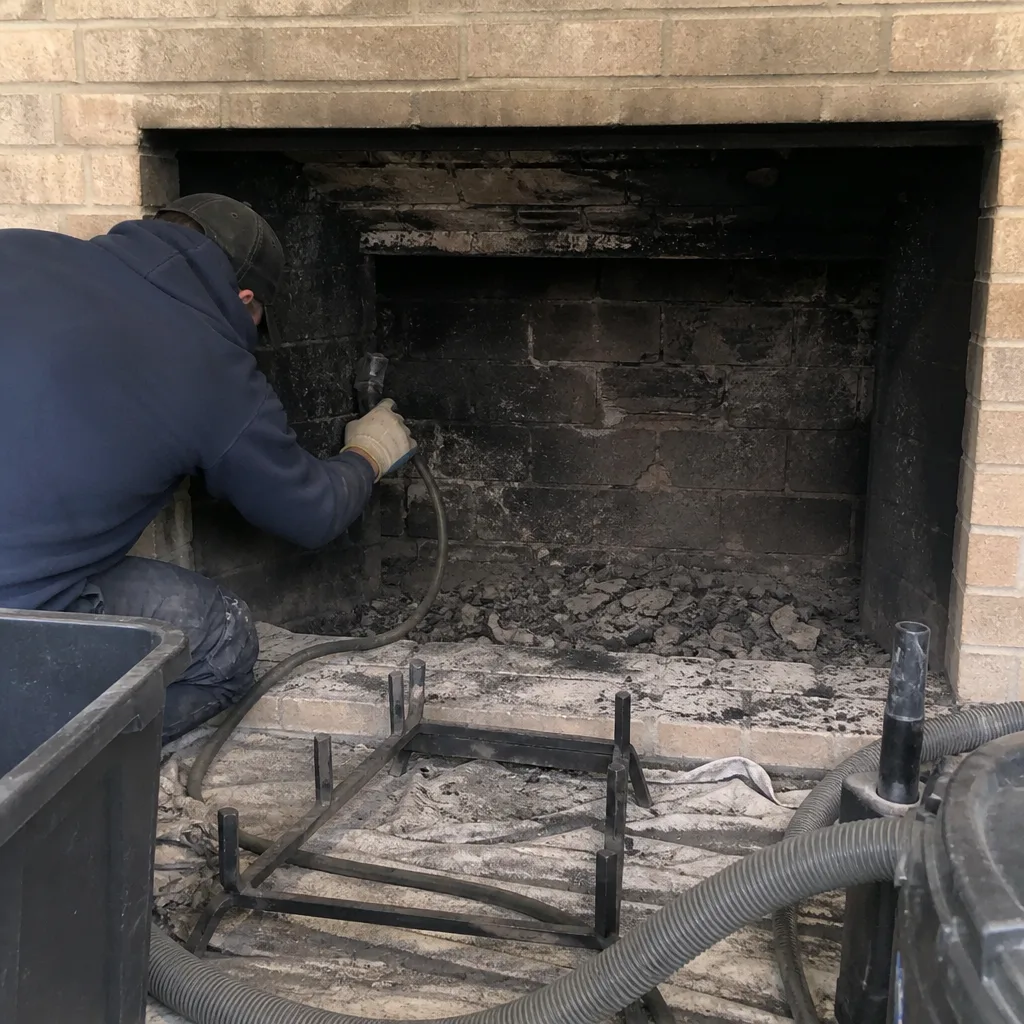 Before
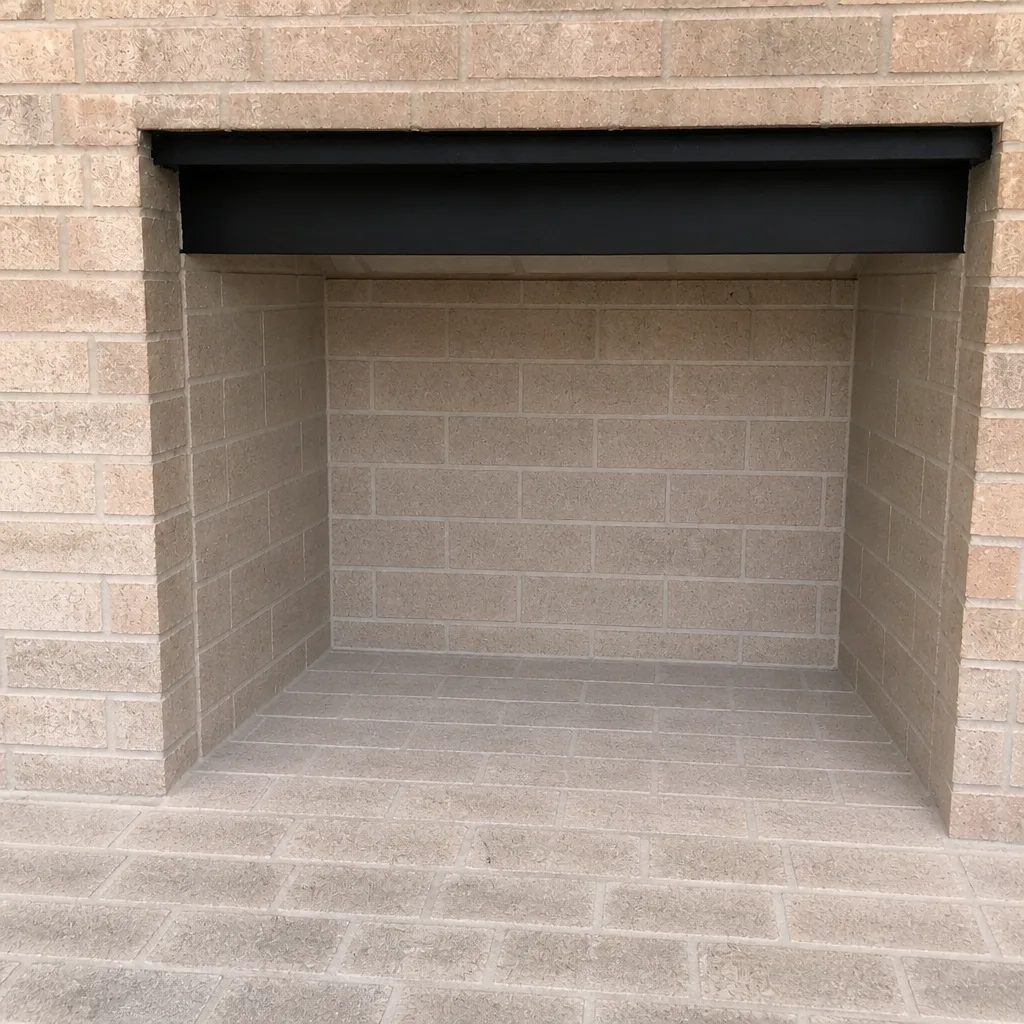 After
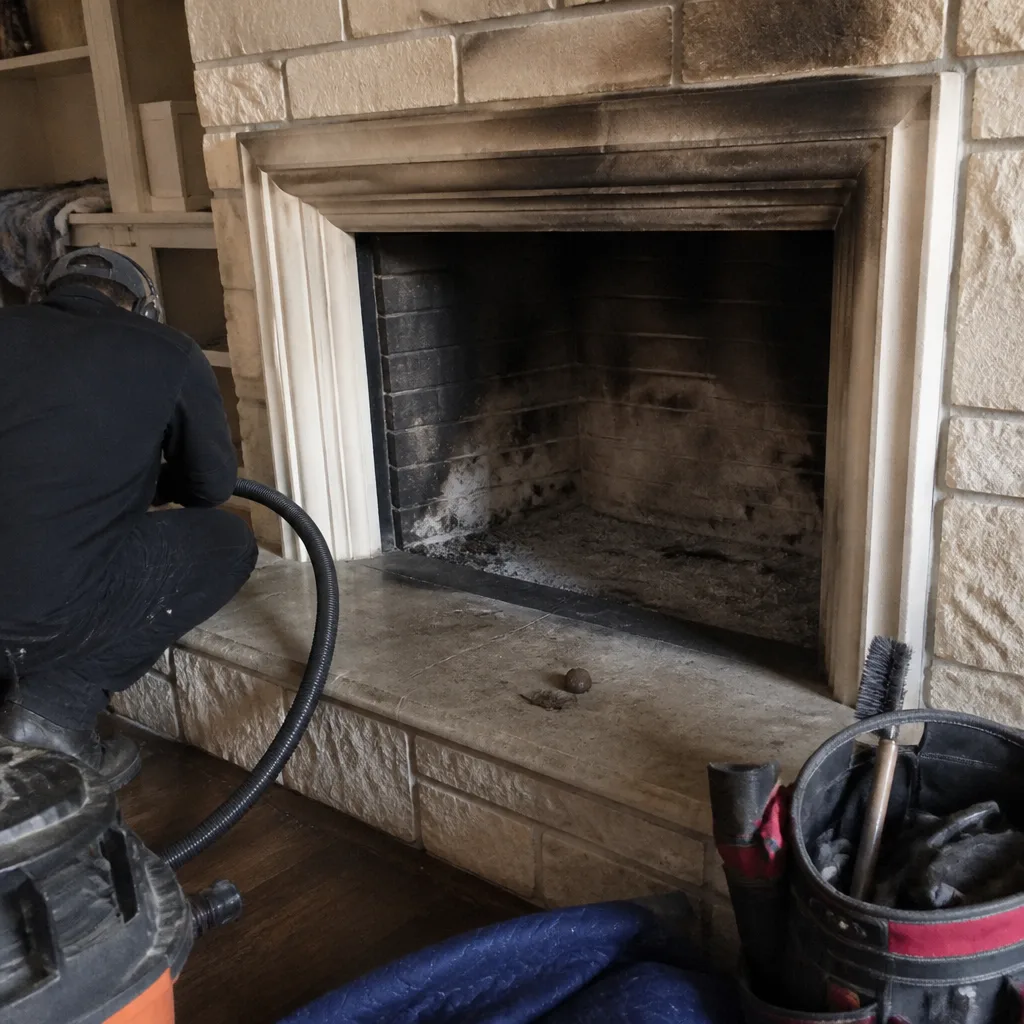 Before
 After
 Before
 After
When to Call a Professional
Call a professional when the scope crosses from maintenance into anything structural. Cleaning and a Level I visual check can be routine, but liner replacement, firebox rebuilds, chimney chase modification, and crown reconstruction are not the kinds of work a homeowner should be attempting. If a technician on a routine visit recommends a repair, ask to see the inspection evidence before agreeing to anything, and ask what level of inspection the recommendation is based on. If your chimney has had a fire or a smoke event, or if you’re preparing a house for sale, a Level II inspection with a written report is the correct starting point.
Chimney Sweep Lake Highlands offers free estimates in Lake Highlands. We work with HeatShield flue resurfacing, DuraFlex liners, and Olympia Chimney components, and we handle the scope from the firebox to the cap so nothing gets missed. Call (833) 508-9984. We answer 24/7. Fast dispatch from 7am to 7pm, Sunday through Friday.
Frequently Asked Questions
No. Cleaning a chimney is routine maintenance and does not require a permit in Lake Highlands or anywhere else in Dallas. A Level I visual inspection that comes with the cleaning also doesn’t require a permit. The permit question only comes up when the work changes the chimney’s structure, like relining or rebuilding a firebox. Call (833) 508-9984 for an exact quote; estimates are free.
In most cases, yes. Replacing a flue liner is treated as structural work on the venting system, and Dallas generally requires a permit for it. The specific requirement depends on the scope of the job, so confirm with the contractor and with the city’s building department before work begins. A contractor who does this regularly will know the answer and should put it in the written estimate. Call (833) 508-9984 with questions about your specific situation.
A cleaning removes soot and creosote; it doesn’t evaluate concealed portions of the chimney. A Level II inspection includes a video scan of the flue interior and inspection of accessible attic and crawlspace areas, and it’s what’s typically required after a chimney fire or before a home sale. If your insurer or your buyer is asking for documentation, you want a Level II report, not a cleaning receipt. Call (833) 508-9984 to book one.
It depends on what the repair actually involves. A cap replacement or a like-for-like crown repair often doesn’t need a permit. A liner section replacement or a firebox repair generally does, even if the repair seems minor on the surface, because those repairs affect the venting system. The safest approach is to ask the contractor to confirm permit status in writing for the specific scope. Call (833) 508-9984 and we’ll tell you honestly what your scope requires.
Sometimes. HOA covenants often address exterior appearance, and chimney caps and crowns are visible from the street, so some associations specify color, style, or material. Before any exterior chimney work, check your covenants and ask the board if the project falls under review. We can provide product specification sheets from Gelco or Famco to help with that conversation. Call (833) 508-9984 if you need documentation for an HOA review.
Get a Level II inspection and a written report first. The report tells you what was actually done and whether it’s safe, and that’s the basis for deciding whether the work needs to be permitted and corrected or simply documented. From there, you can decide whether to correct it before closing or negotiate it into the sale. An inspection with photographic evidence protects both the seller and the buyer. Call (833) 508-9984 to schedule one before the transaction timeline gets tight.
The Bottom Line
The permit line in Lake Highlands is not where most people assume it is. Routine cleaning is maintenance and needs no permit; structural work, relining, and firebox rebuilds do. NFPA 211 is the standard that defines how a chimney should be inspected and how the three inspection levels work, and the Level II inspection is the one insurers and buyers actually want to see. Older Lake Highlands chimneys are grandfathered until structural work triggers an upgrade. HOAs add a second layer of approval on exterior work that the city permit doesn’t cover. Keep the documentation, ask for it in writing, and have a full-scope company on the job rather than piecing the work together across multiple trades. Our technicians have up to 8 years of experience, and we handle the whole scope under one roof.
Chimney Sweep Lake Highlands covers inspection, sweeping, cap and crown work, fireplace repair, and structural chimney repair in Lake Highlands. Call (833) 508-9984 for a free estimate. We answer 24/7. Fast dispatch from 7am to 7pm, Sunday through Friday.
Written by the team at Chimney Sweep Lake Highlands.