
Last updated November 22, 2026
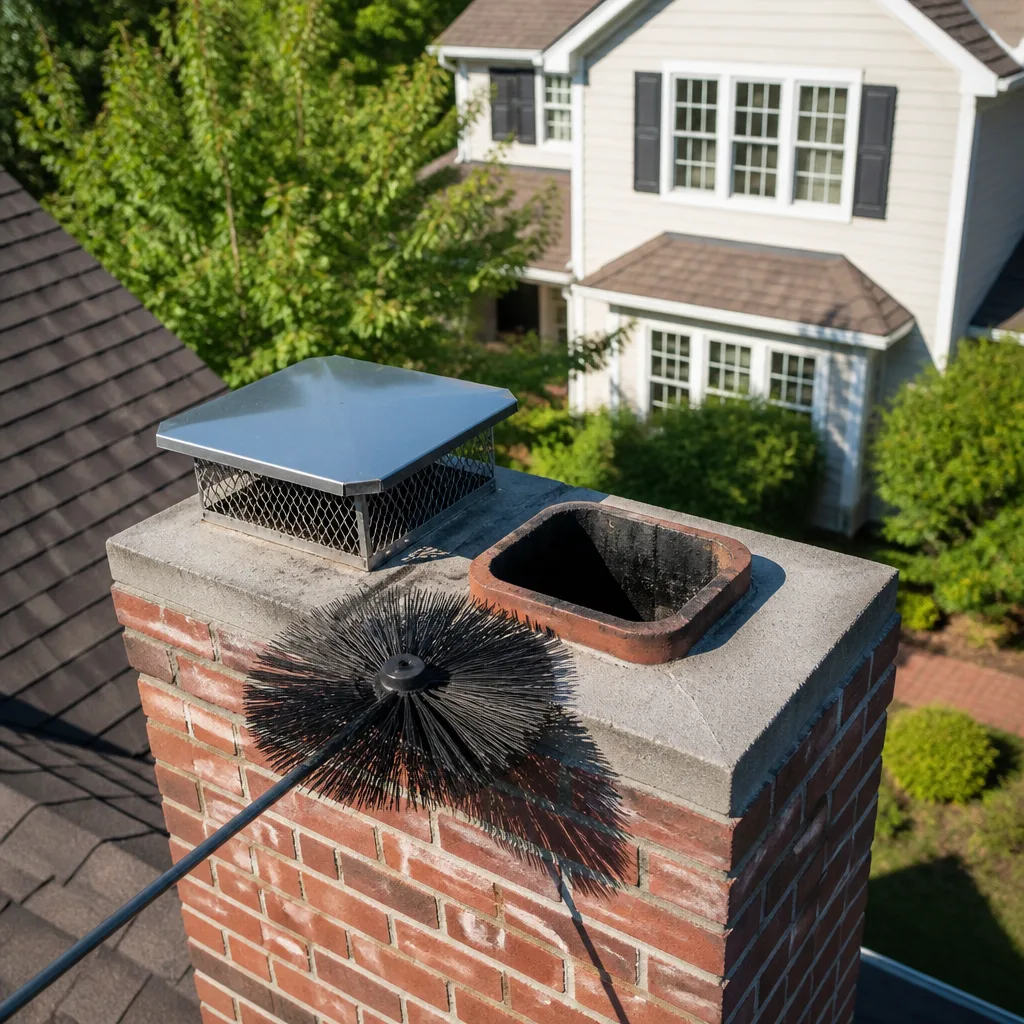 Sweep & inspection
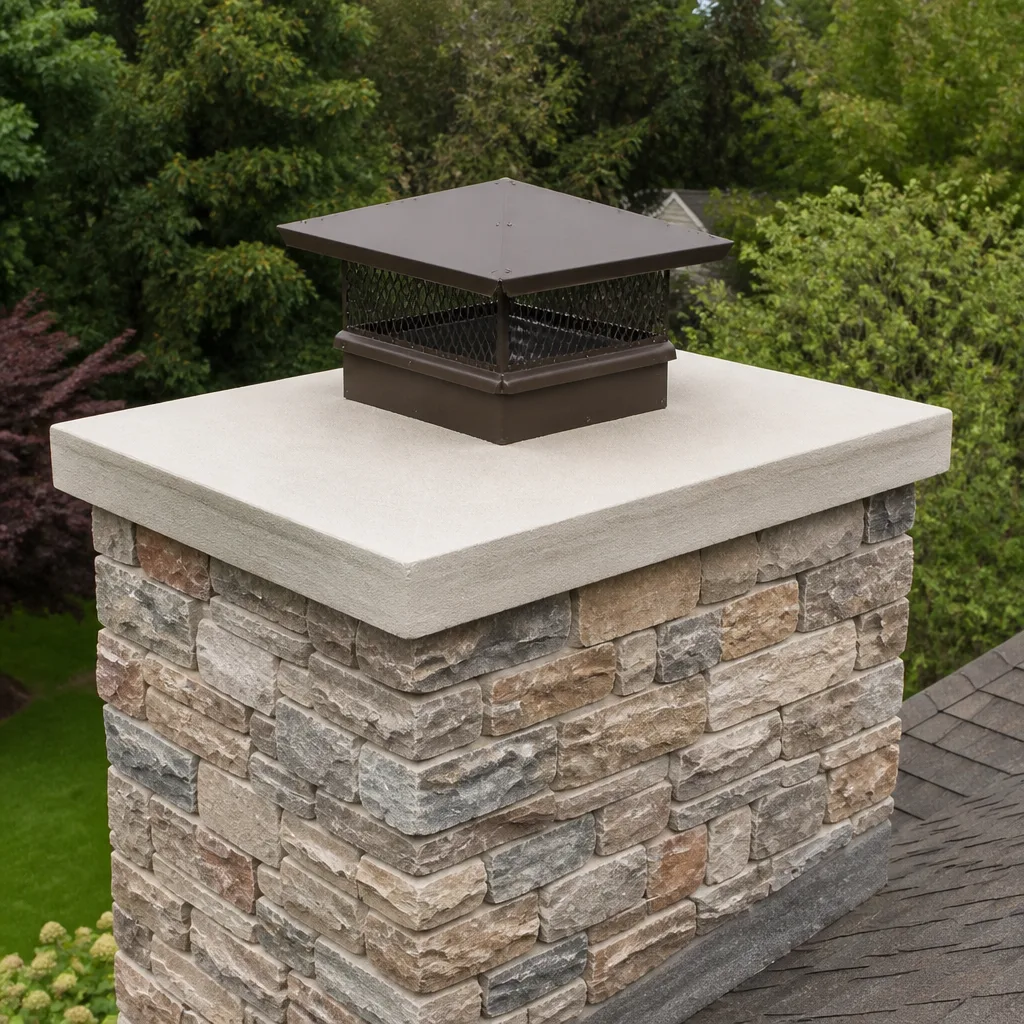 Caps & crowns
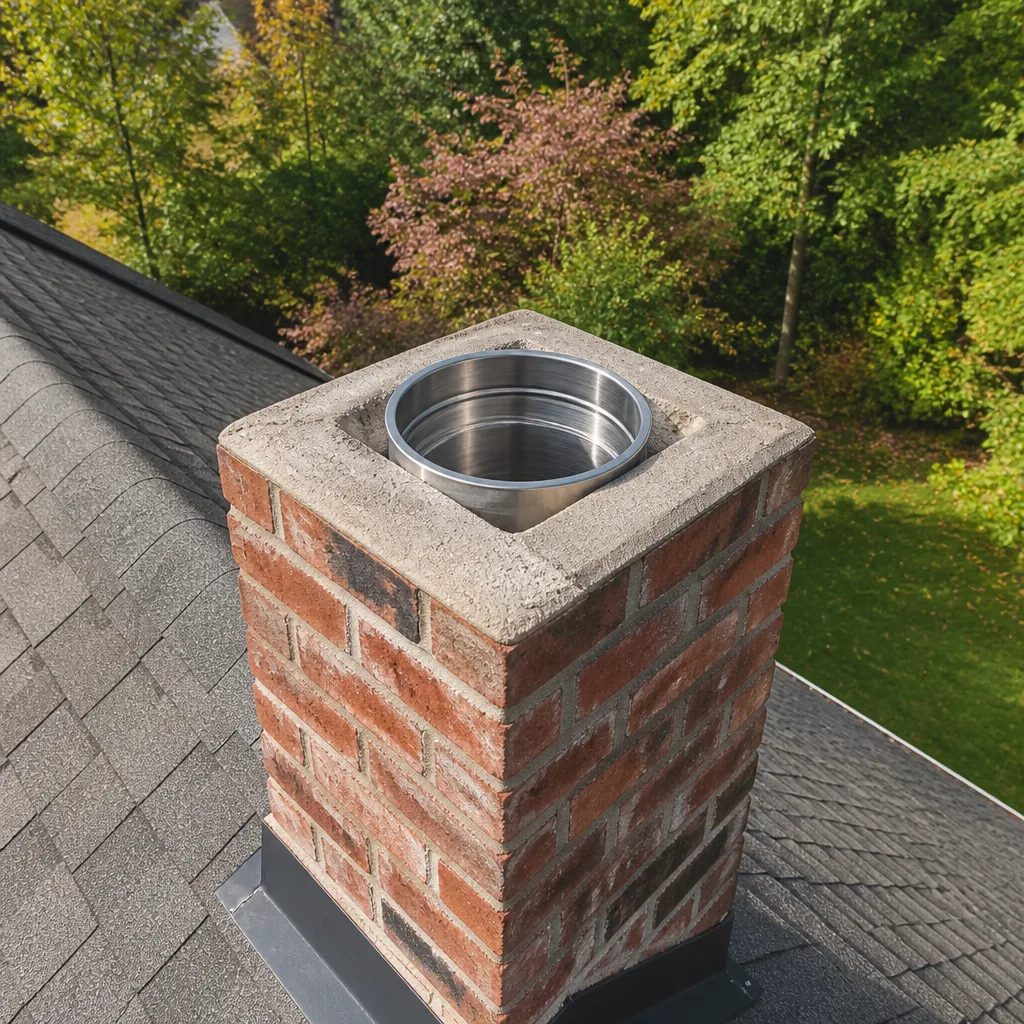 Flue relining
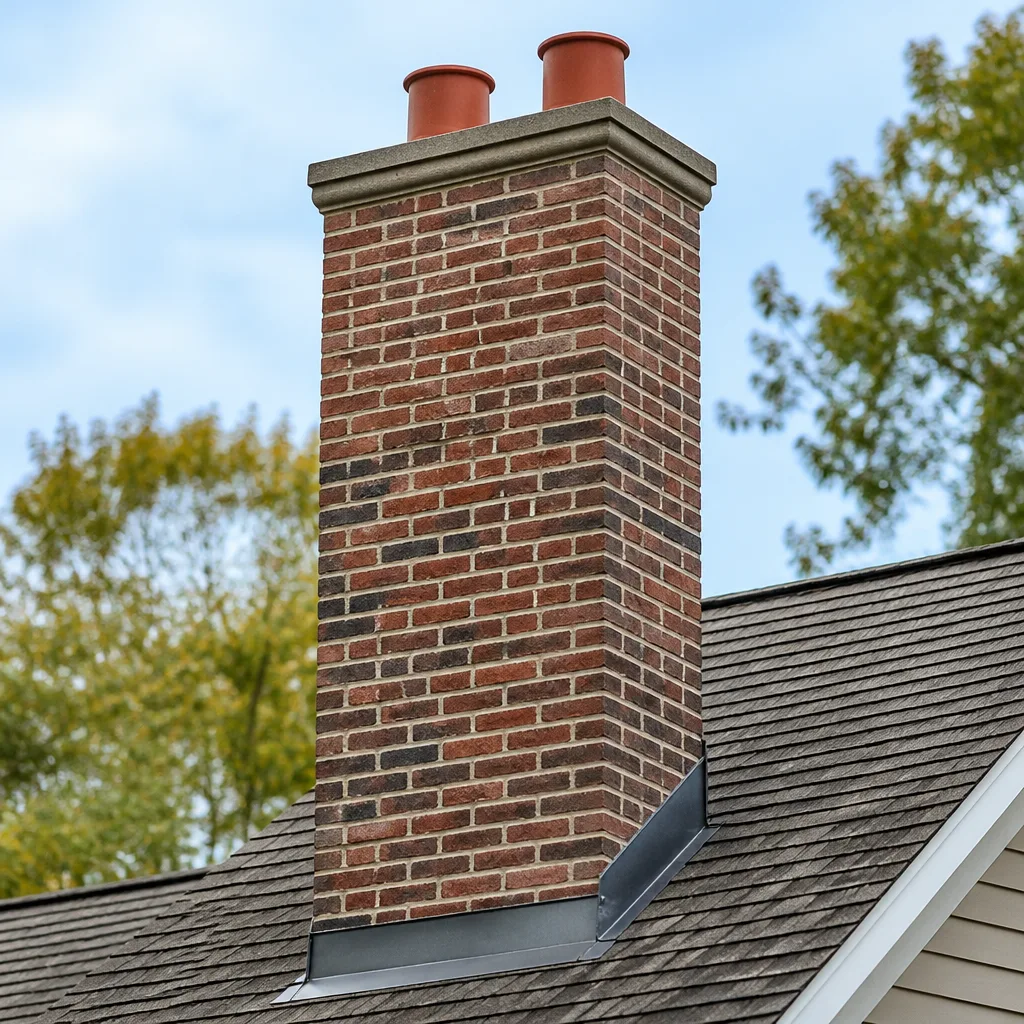 Masonry repair
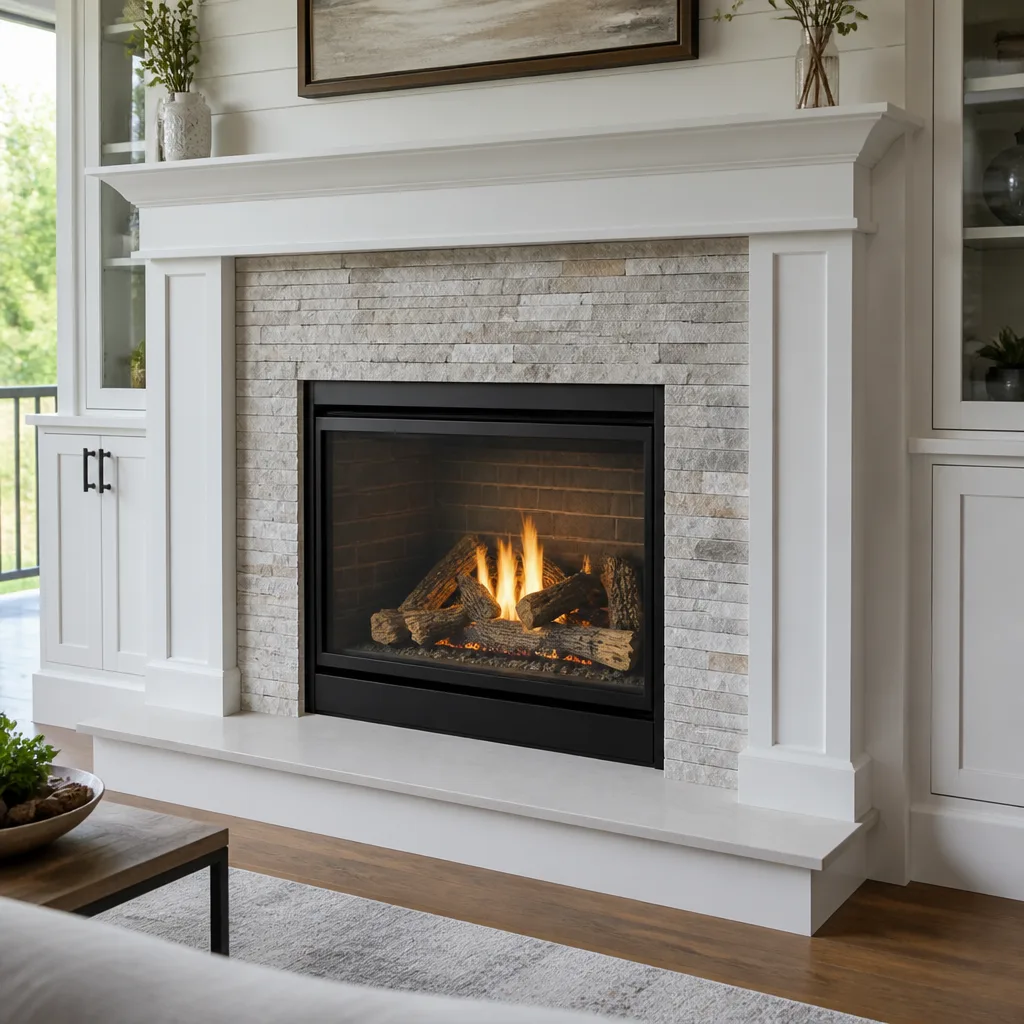 Gas fireplace service
Level 1 sweep and inspection to the NFPA 211 annual standard - flue, crown, cap, and flashing checked and photographed
Chimney sweep logs do not sweep chimneys. They loosen some creosote - which then falls where a brush and vacuum still have to collect it.
How to Hire a Chimney Cleaning Contractor in Lake Highlands: A Step-by-Step Guide
Most homeowners assume a chimney sweep operates under a state license, the way an electrician or plumber does. In Texas, no such license exists for chimney sweeping. That single fact changes the entire hiring conversation in Lake Highlands. There’s no state registry to check, no license number to confirm, no board to call if something goes wrong. The screening burden lands on you, the homeowner, and most people don’t know what to ask. This guide gives you a repeatable vetting framework: what credentials to verify, the questions to ask before booking, the red flags that show up in the Dallas market, and how to read an estimate so you know what you’re actually buying.
Quick Answer
To hire a chimney cleaning contractor in Lake Highlands, verify voluntary certification (CSIA is the recognized baseline), ask five specific questions about scope, inspection level, included work, and documentation before booking, and require a written itemized estimate rather than a flat rate with open-ended add-ons. Texas doesn’t license chimney sweeps, so certification, materials knowledge, and documentation quality are the only real proxies for competence. A dedicated chimney specialist beats a generalist handyman on liability, repair quality, and continuity of records.
Styles & brands we work with
- Sweep & inspection
- Caps & crowns
- Flue relining
- Masonry repair
- Gas fireplace service
Table of Contents
- Why Texas Doesn’t License Chimney Sweeps
- What CSIA Certification Actually Means and How to Verify It
- The Five Questions to Ask Before You Book
- Red Flags Specific to the DFW Chimney Market
- How to Evaluate a Chimney Estimate
- Why a Chimney Specialist Beats a General Home Services Company
- Step-by-Step: The Full Hiring Process
- Lake Highlands Context: What Makes Hiring Here Different
Why Texas Doesn’t License Chimney Sweeps
Texas leaves chimney sweeping unregulated at the state level. There is no licensing exam, no required apprenticeship, no continuing education mandate, and no state database of qualified sweeps. Anyone with a brush, a vacuum, and a truck can advertise chimney cleaning in Lake Highlands tomorrow. That isn’t a reason to panic. It’s a reason to know what to screen for.
In states that do license, the license is a floor, not a ceiling. A licensed sweep can still do mediocre work. So the absence of licensing in Texas doesn’t make hiring impossible. It just means the signals you rely on have to be voluntary ones that a competent operator chooses to earn.
Those signals fall into a few categories you can actually check:
- Voluntary certification through a recognized trade body, which requires testing and continuing education.
- Documentation habits, meaning whether the company produces written inspection reports and itemized estimates as a matter of course.
- Materials knowledge, which shows up when a contractor can name the liner systems and cap products they install and explain why.
- Scope clarity, meaning the company tells you exactly what’s included before the work starts.
None of these are foolproof. Together they separate a real chimney operation from a handyman who added sweeping as an upsell. In Lake Highlands, where mature housing stock means plenty of older chimneys and plenty of contractors willing to work on them, that distinction matters more than the price on the first invoice.
What CSIA Certification Actually Means and How to Verify It
CSIA stands for the Chimney Safety Institute of America. It’s a nonprofit that runs a voluntary certification program for chimney sweeps. Because Texas doesn’t require a license, CSIA certification is the closest thing to a baseline credential in this market, and it’s the one worth requiring.
What the certification actually involves matters, because it tells you what a certified sweep has demonstrated:
- Passing a written exam covering chimney construction, venting, inspection standards, and safety.
- Agreeing to a code of ethics, which includes not doing work that isn’t needed.
- Renewing through continuing education, so the knowledge stays current with code changes.
The renewal requirement is the part worth understanding. A certification that never expires is a badge. A certification that requires ongoing education is a commitment. CSIA falls in the second category.
How to verify a claim
Don’t take “CSIA certified” at face value on a business card. Ask for the name of the certified technician who will actually be on the job, since certification belongs to individuals, not companies. Then check the CSIA’s public directory directly. The check takes a few minutes and it’s the single most useful five minutes in this whole process.
One clarification worth making: a company can be CSIA-aligned without every technician holding individual certification, and that’s normal in the trade. What you want is a certified technician on your job, or at minimum a company whose inspection framework follows CSIA and NFPA 211 standards. Ask which technician is coming and what their credentials are. The answer tells you a lot.
Our technicians have up to 8 years of experience, and every job in Lake Highlands gets a chimney specialist rather than a rotating generalist crew. A chimney inspection isn’t a formality. It’s how small problems get found before they become expensive ones.
The Five Questions to Ask Before You Book
Five questions do most of the vetting work. Ask them on the phone before you schedule anything. A competent contractor answers them directly and without hesitation. A weaker one gets vague or tries to move the conversation to price.
- What’s the scope of work, exactly? A standard sweep should include the firebox, damper area, smoke chamber, and flue, with a drop cloth and a running vacuum to keep dust out of your home. If the company can only describe “cleaning the chimney,” ask them to walk through each component.
- What inspection level does my situation call for? The NFPA 211 standard defines three levels. Level 1 is a visual check of accessible components during a routine sweep. Level 2 adds inspection of concealed areas using a camera, and it’s the standard when a chimney changes hands, changes fuel type, or has had a problem. Level 3 is a diagnostic inspection that may require opening up structure. A company that can’t name the levels and explain when each applies doesn’t have a real inspection framework.
- What’s included in the quoted price? Ask whether the sweep includes an inspection report, whether photos are provided, and whether a camera inspection costs extra. Get this in writing before booking.
- How are findings documented? You want photos and, ideally, video from the camera inspection, plus a written report describing what was found and what the recommended next step is. Verbal findings you can’t review later are worth very little.
- What materials do you install? If repairs come up, a competent contractor names their liner systems and crown materials and explains why they chose them. In our work that means products the chimney trade trusts, including DuraFlex, HeatShield, and Copperfield. A contractor who can’t name a brand or explain a liner decision is telling you something.
Notice that none of these questions is “how much.” Price comes later, after you know what you’re comparing. Comparing quotes before you know the scope is how homeowners get talked into work they didn’t need at a price they can’t verify.
Red Flags Specific to the DFW Chimney Market
The Dallas area has a wide range of chimney operators, and some patterns repeat. These are the ones we’d want a friend in Lake Highlands to watch for.
Door-hanger pricing that’s unusually low
A flyer offering a sweep far below what other companies quote is a marketing number, not a service price. The low figure gets you on the schedule. What it doesn’t cover is the inspection, the camera work, or anything beyond a surface pass. Ask what the low price includes before you book it, and expect the honest answer to be “not much.”
Repairs pushed on the same visit with no written assessment
A chimney sweep finds a problem, explains it, and documents it. A sweep who finds a problem and pushes you to authorize a repair on the spot, before you’ve seen photos or received a written estimate, is running a different business model. Nothing is recommended without camera evidence you can see for yourself. If a contractor won’t slow down long enough to show you, that’s the red flag.
Inability to name liner and crown materials
Liner systems and crown products are the core repair materials in this trade. A legitimate chimney contractor can tell you which flexible liner brands they install and why, and which cap and crown products they use for water protection. A generalist who “does chimneys too” often can’t, because they buy whatever’s at the supply house that week. DuraFlex and Olympia Chimney liner systems show up in professional work for a reason. So does the question of whether the contractor knows the difference.
Other patterns worth flagging
- No written report offered. If documentation isn’t a standard part of the service, you’ll never have a baseline to compare next year’s inspection to.
- Pressure to reline on the first visit. Relining is sometimes necessary. It’s never something to authorize without seeing the camera footage and a written recommendation first.
- Vague answers about the inspection standard. “We check everything” is not a standard. NFPA 211 Level 1, 2, or 3 is.
- No photos of the flue interior. A camera inspection that produces no images you can look at isn’t really a camera inspection.
How to Evaluate a Chimney Estimate
A real chimney estimate is itemized, written, and specific about scope. A vague flat-rate figure with open-ended “if we find anything” language is where homeowners lose control of the cost. Here’s the difference in practice.
What a legitimate estimate looks like
- A line for the sweep itself, describing what’s cleaned.
- A line for the inspection level, stating Level 1 or Level 2 clearly.
- A camera inspection line, if applicable, with the photo report included in the price.
- If repairs are recommended, a separate itemized section listing each repair, the material specified, and the price for that repair.
- A written statement that the estimate is per job and that the written estimate sets the final price.
What a weak estimate looks like
- One number on a business card or a text message.
- Language like “and any additional work as needed” with no cap or itemization.
- Repairs lumped into the sweep price with no separate approval.
- No description of what’s included in the sweep versus what costs extra.
- No written report promised as part of the service.
The core question to ask about any estimate: will the price I’m quoted today be the price I pay, and if something’s found, will I get a separate written estimate I can approve or decline? If the answer is yes, you’re working with a real operation. The estimate is free, and the price is set per job by the written estimate, which means nothing gets approved on your behalf.
It’s also fair to ask whether a recommendation can wait. Sometimes it can. A sweep who tells you a crown repair can safely wait a season, and explains why, is demonstrating the kind of judgment you want on your chimney. A sweep who says everything is urgent is telling you something too.
Why a Chimney Specialist Beats a General Home Services Company
A generalist handyman or HVAC company that also sweeps chimneys has an incentive structure you should understand. Chimney work is one line item among many, and the crew on your roof may have swept a chimney last month or never. A dedicated chimney specialist does nothing else, which changes the quality of the work in three specific ways.
Liability and safety
Chimney work involves real hazards: heights, high-tension components in some equipment, and the consequences of a bad flue repair, which show up as fire or carbon monoxide risk later. A specialist understands what happens if a liner is installed wrong or a crown isn’t pitched correctly, and builds the work around that. A generalist treats a chimney like a roof vent. The scope of consequence is different.
Continuity of service records
Chimney condition is a long game. The annual sweep produces a baseline, and every year’s report gets compared to it. If you change contractors every year, that continuity disappears. A specialist who has your last several inspection reports can catch slow deterioration that a one-time visitor would miss. That’s worth more than the few dollars you might save going with a generalist.
Repair quality
Repairs are where specialists pull ahead. Crowns need the right pitch and material. Liners need the right flexible system for the flue’s size and the appliance’s fuel type. Our Chimney Sweep Lake Highlands service covers the full scope, from the firebox to the cap, so nothing gets missed and no work gets handed to a subcontractor with a different standard. If a crown needs repair, our chimney cap & crown work addresses it. If the firebox needs attention, fireplace repair is part of the same visit. One company, one set of records, no handoffs.
HeatShield resurfacing is the clearest example. HeatShield is a resurfacing system for deteriorated flue liners, and applying it correctly takes specific training and familiarity. Many sweep-only companies can’t do it and will tell you a full reline is your only option. A company with HeatShield capability can often restore a liner that would otherwise get replaced. That’s a real difference in what a homeowner pays and what they get.
When something’s visibly wrong, the specialist also tends to be the one who can handle it end to end. Cracked crown, damaged cap, and flue concern all get looked at together. In our experience, water intrusion from a failed cap or crown is the most common cause of the damage homeowners call about, and the fix sits right at the top of the chimney. Protect your home from the top down, with caps, crowns, and liners done right the first time.
Step-by-Step: The Full Hiring Process
Here’s the framework as a sequence. It works for a routine annual chimney sweep and for a first-time hire when something’s visibly wrong.
- Identify what you need. Routine annual cleaning, a problem you’ve already noticed (cracked crown, damaged cap, smoky fireplace), or a property change (a new home, a fuel change). This determines the inspection level before you ever call.
- Shortlist two or three companies. Search for chimney-specific contractors whose services include inspection, sweeping, cap and crown, liner work, and fireplace repair. A company offering only sweeping is not a company that can handle what a sweep might uncover.
- Ask the five questions on the phone. Scope, inspection level, what’s included, documentation, and materials. Note who answers directly and who deflects.
- Verify certification. Check the certified technician’s name against the CSIA’s public directory.
- Book the sweep with a written estimate. Get the scope and price in writing before the appointment. A flat-price sweep agreed before booking keeps the visit predictable.
- Attend the inspection if you can. A good technician walks you through the findings and shows you the camera footage. A camera inspection with photo report included should be part of the conversation, not a surprise line.
- Review the written report. Compare any recommended repairs to the photos. Ask what can wait and what can’t.
- Approve repairs only from a written itemized estimate. If you’re being asked to authorize something on the spot, you can decline and take time to consider it. That’s a normal and reasonable response.
Steps 3 through 5 are where most of the filtering happens. The right company makes them easy. The wrong one makes them feel like friction.
Lake Highlands Context: What Makes Hiring Here Different
Lake Highlands is a mature Dallas neighborhood with a lot of established homes and a lot of older chimneys. Housing stock that dates back decades means masonry that has seen its share of weather, crowns that have cracked over time, and fireplaces that may have had a liner replacement somewhere along the way. When you hire a chimney contractor in Lake Highlands, the odds that the inspection turns up something worth a closer look are higher than in newer construction.
Dallas summers put real thermal stress on masonry and on the cap and crown assembly at the top of the chimney. Winters are mild, which means freeze damage isn’t the main worry here, but the seasonal swings are still hard on mortar joints and crown materials. A crown with a small crack lets water into the masonry, and over a few seasons that crack widens. This is why we focus on the top of the chimney first: cap and crown work addresses the leading source of chimney water damage, and it’s cheaper to fix a crown than to repair the masonry behind it.
The practical hiring implication is that Lake Highlands homeowners should ask a contractor to look at the crown and cap during every annual visit, not just the flue. The Chimney Sweep Lake Highlands visit includes that check as part of the scope, and any finding gets documented in the report. The other implication is that the DFW chimney market is large enough that contractors travel here from elsewhere to work. That’s fine, but it means the “local” label on a truck isn’t a proxy for anything. What matters is the credential, the documentation, and the materials knowledge, wherever the company operates from.
One more Lake Highlands point: a lot of these homes have wood-burning fireplaces that see moderate use, and gas fireplaces that see more. Gas fireplaces still need inspection, because the venting and any masonry around it still needs to be checked. A contractor who says gas fireplaces don’t need sweeping doesn’t understand what the inspection covers.
Common Mistakes to Avoid
- Shopping on price alone. A chimney sweep is not a commodity. The cheap quote often covers less, and the gap shows up in the report you don’t get or the repair you didn’t see coming. Compare scope, not just the number.
- Skipping certification verification. “CSIA certified” on a website is a claim. Checking the technician’s name against the public directory is a verification. In an unregulated state, that distinction is the whole ballgame.
- Authorizing repairs before seeing evidence. If a repair is recommended and you haven’t seen photos or camera footage, wait. A legitimate contractor will document the finding and give you a written estimate you can review.
- Not asking about inspection levels. A sweep without a clear inspection level is a cleaning without a check. Ask whether the visit is a Level 1 or Level 2 and why. The answer tells you whether the contractor is following a real framework.
- Hiring a generalist for chimney work. A handyman or HVAC company that also sweeps chimneys will occasionally do fine, but the materials knowledge and repair capability sit with the specialists. If the crown or liner needs work, the generalist will refer it out anyway.
- Losing continuity of records. Keeping the same contractor year to year lets the annual report get compared to the last one. Changing every year throws away the baseline that makes a chimney inspection useful.
- Overlooking the top of the chimney. Water intrusion from a failed cap or crown is the most common chimney problem, and it’s the easiest to prevent. Ask about both during every visit, in Lake Highlands especially, where mature crowns have seen a lot of Dallas summers.
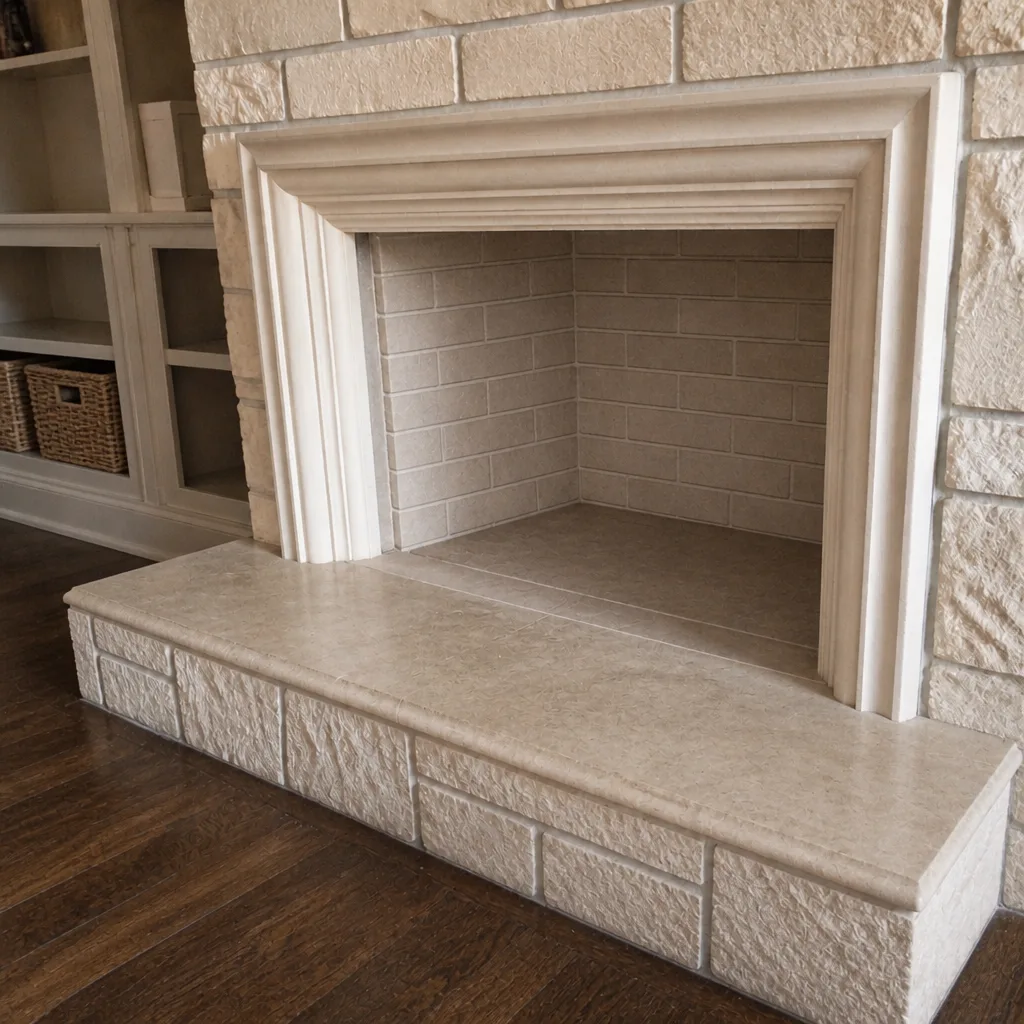
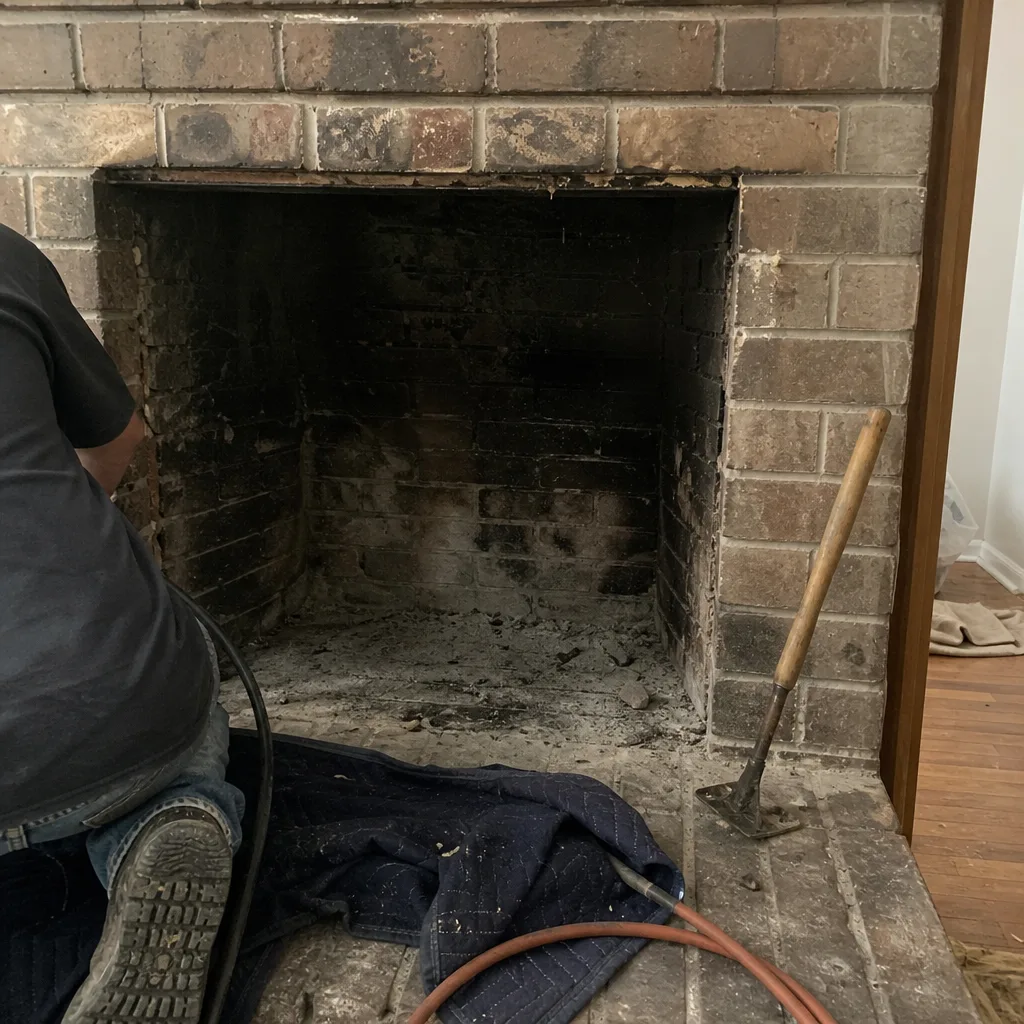
See the difference
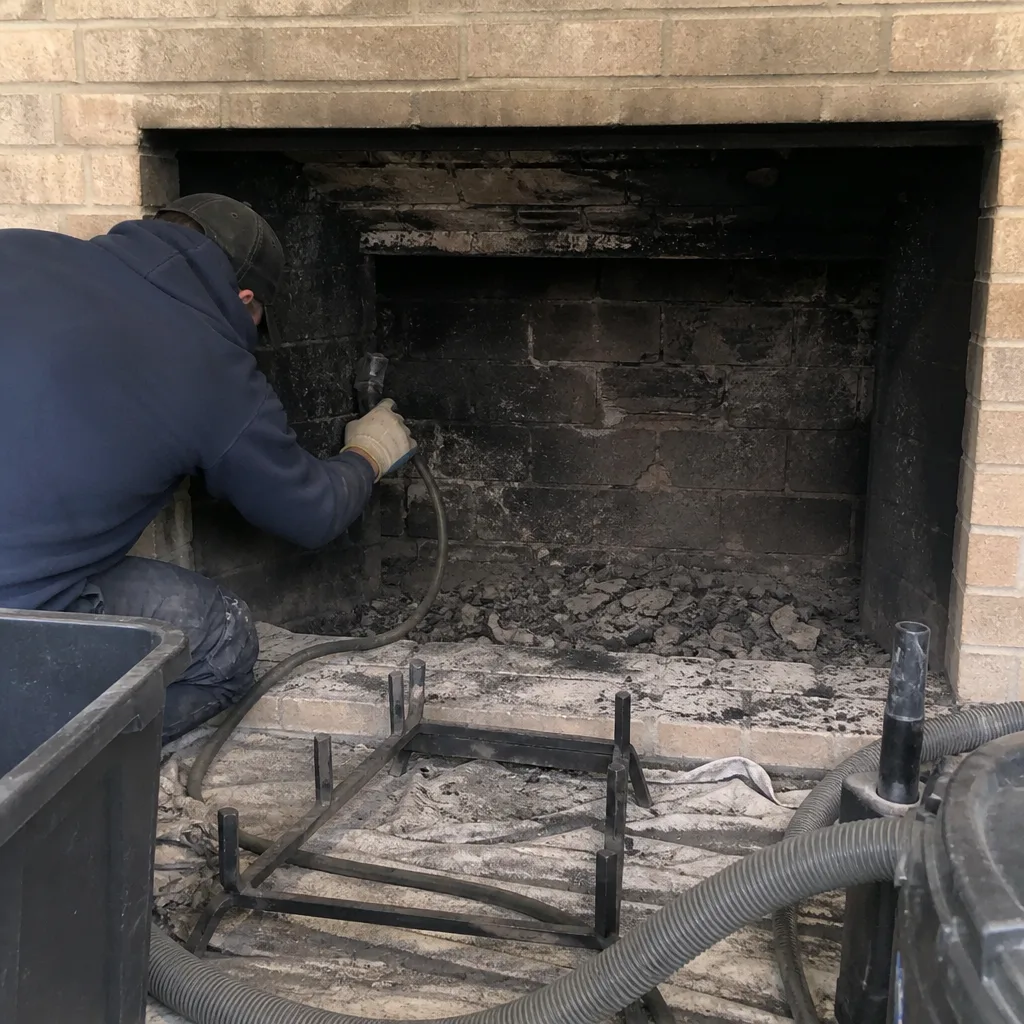 Before
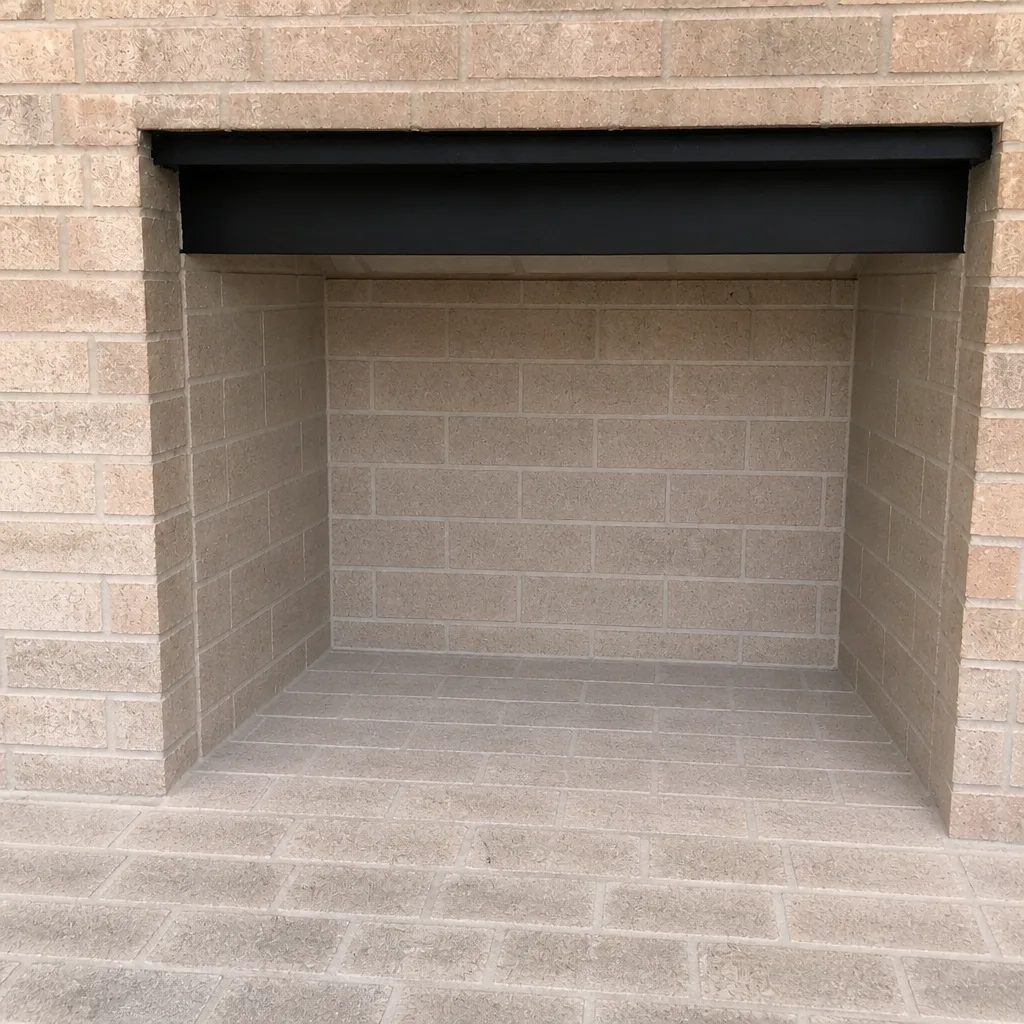 After
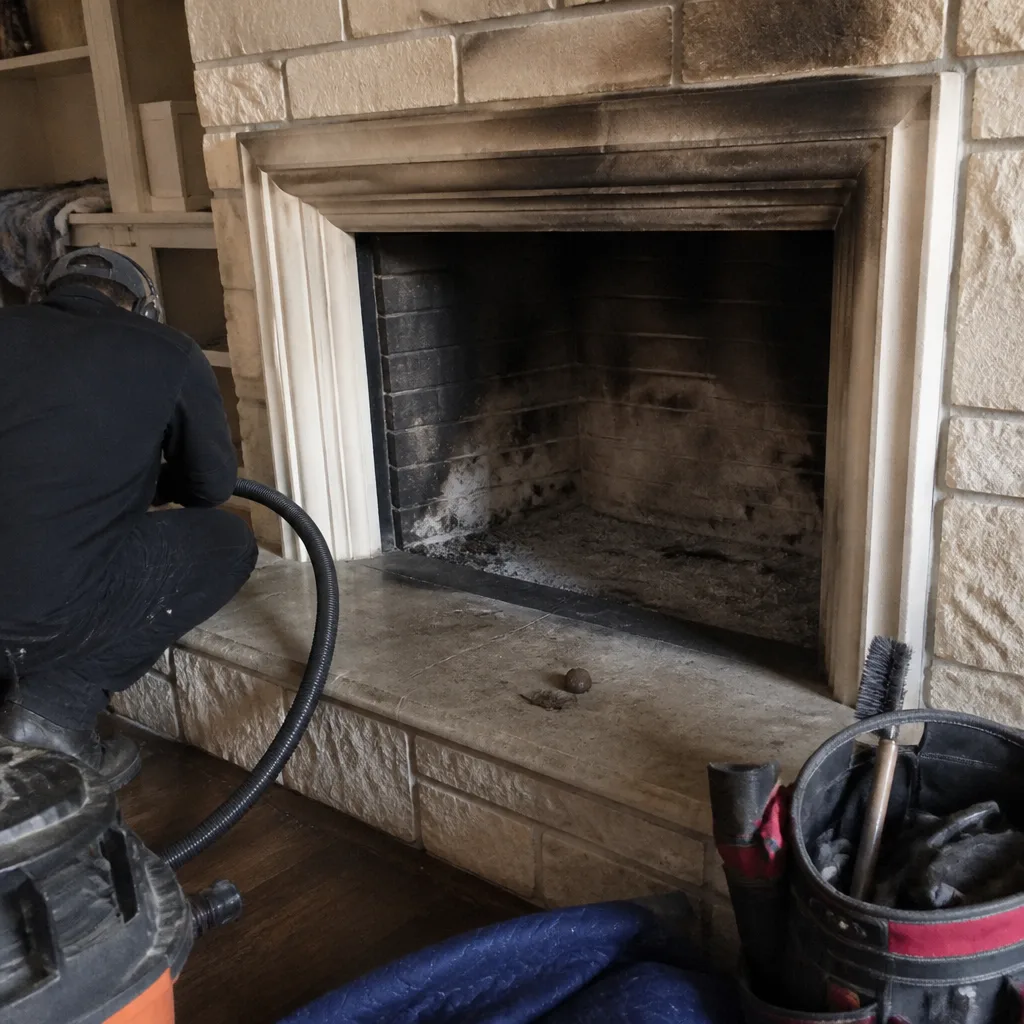 Before
 After
 Before
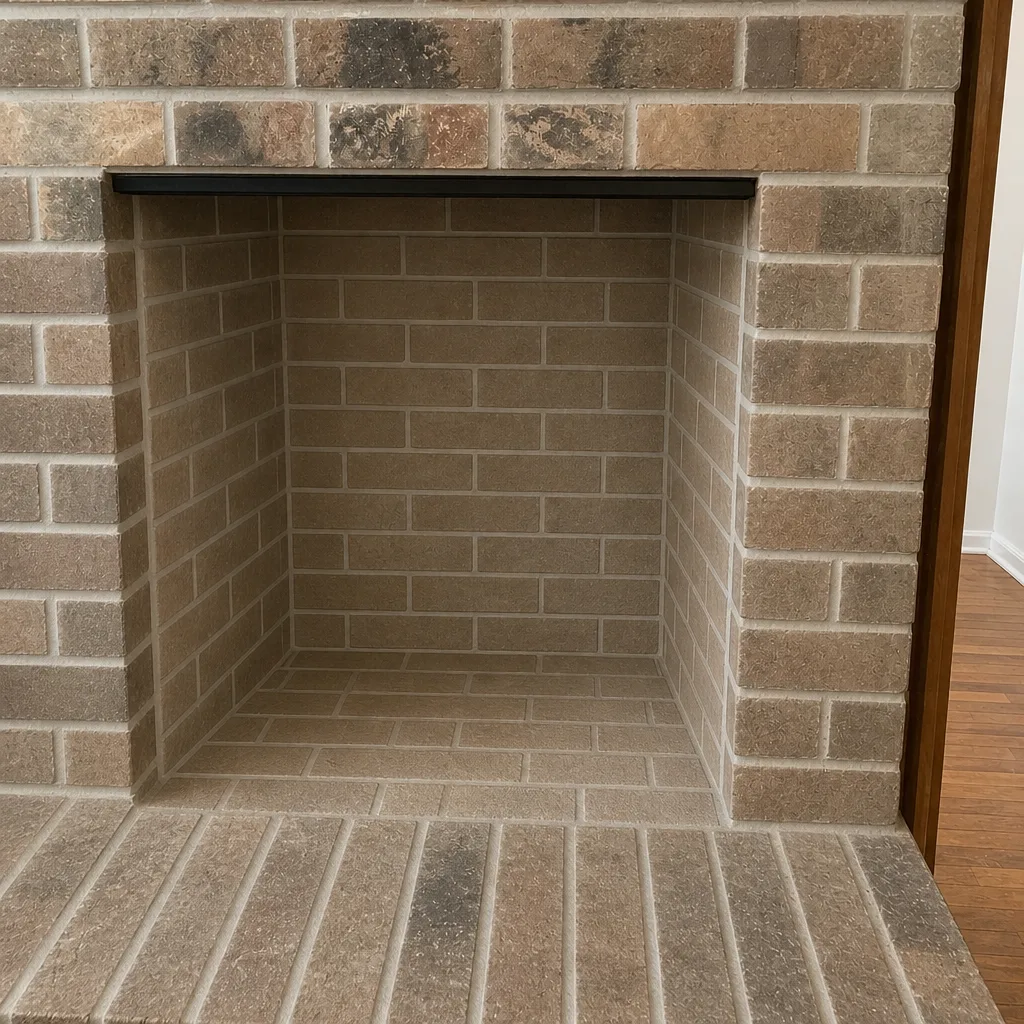 After
When to Call a Professional
Call a chimney professional annually for a sweep and inspection if you burn wood at all, and annually for an inspection even if you don’t. Beyond the routine, call when something is visibly wrong: a cracked crown, a missing or damaged cap, water stains on the ceiling near the chimney, or a chimney that’s visibly damaged. Call if smoke comes back into the room when you build a fire, or if the fireplace smells off between uses. Call if you’ve just moved into a Lake Highlands home and don’t have records from the previous owner. Call if the flue looks off from the roof, or if a prior inspection recommended a repair that you deferred. Chimney Sweep Lake Highlands offers free estimates in Lake Highlands. Call (833) 508-9984. We answer 24/7. Fast dispatch from 7am to 7pm, Sunday through Friday. We can work with your insurer, and nothing is recommended without camera evidence you can see for yourself.
Frequently Asked Questions
Most Lake Highlands chimneys should be swept annually. The NFPA standard is to sweep when the creosote or soot deposits reach a set thickness, and annual is the practical rhythm for a wood-burning fireplace with regular use. Gas fireplaces still need an annual inspection even if there’s no creosote to sweep. If you burn heavily, have the flue checked more often. A brand-new chimney or a freshly relined flue starts a new baseline that’s worth establishing with an inspection. Call (833) 508-9984 for an exact quote on a sweep and inspection. Estimates are free.
A chimney sweep in Lake Highlands typically falls in a moderate range for the DFW market, with the final price depending on the flue’s condition and whether an inspection or camera work is included. The rate you’re quoted should be a flat price agreed before booking, and the written estimate sets the final price. We don’t quote over the phone on the strength of a guess, because a chimney that hasn’t been seen can’t be estimated accurately. Call (833) 508-9984 for an exact quote. Estimates are free.
Not always. A cracked or deteriorated flue liner needs attention, but the options run wider than “reline.” HeatShield resurfacing can restore a deteriorated liner in cases where the structure is intact, and that’s often less work than a full replacement. Neither should be recommended without camera evidence you can see for yourself. If a contractor tells you a reline is required, ask for the footage and a written estimate that names the liner system. Call (833) 508-9984 to have the liner looked at properly. Estimates are free.
Skipping the annual inspection means skipping the annual record of what your chimney looks like. Creosote builds up gradually, and a flue that was fine two years ago can develop a cracked liner or a failing crown without visible signs from below. The inspection’s job is to catch those changes while they’re still small. Skipping one year usually isn’t a crisis. Skipping several narrows the window. Call (833) 508-9984 to schedule an inspection. Estimates are free.
No. Texas doesn’t license chimney sweeps and doesn’t require CSIA certification. Because the state provides no floor, CSIA certification and NFPA 211 inspection standards are the voluntary commitments that separate a real chimney specialist from a general contractor doing sweep work on the side. Ask which technician is certified, and verify the name against the CSIA’s public directory. Our technicians have up to 8 years of experience, and every Lake Highlands job gets a chimney specialist. Call (833) 508-9984 for a free estimate.
Ask, and expect a clear answer based on what the camera inspection showed. A crown with a hairline crack and a crown that’s crumbling are two different situations, and a good technician will explain the difference in plain terms. If a repair can wait a season, the contractor should say so. That’s a sign you’re working with someone who’s giving you judgment rather than a sales pitch. Call (833) 508-9984 for an inspection. Estimates are free.
The Bottom Line
Hiring a chimney contractor in Lake Highlands comes down to four things: verify voluntary certification because Texas doesn’t license sweeps, ask the five questions before booking, read the estimate for itemization and scope, and prefer a dedicated chimney specialist over a generalist. The five questions cover scope, inspection level, what’s included, documentation, and materials. The red flags are low door-hanger pricing, same-visit repair pressure without written assessment, and contractors who can’t name their liner and crown materials. Get a camera inspection with photos you can review, approve repairs only from a written itemized estimate, and keep the same company year to year so the records build. That process filters out the operators who trade on information asymmetry.
If you’d rather not run the screening yourself, Chimney Sweep Lake Highlands handles the full scope, from the firebox to the cap, so nothing gets missed. We use materials the chimney trade trusts, including DuraFlex, HeatShield, Gelco, Olympia Chimney, Famco, and Copperfield, and we work with a curated roster of professional-grade brands. Chimney work is all we do, which means every job gets a specialist, not a generalist. Call (833) 508-9984 for a free estimate. We answer 24/7. Fast dispatch from 7am to 7pm, Sunday through Friday.
Written by the team at Chimney Sweep Lake Highlands.