
Last updated November 22, 2026
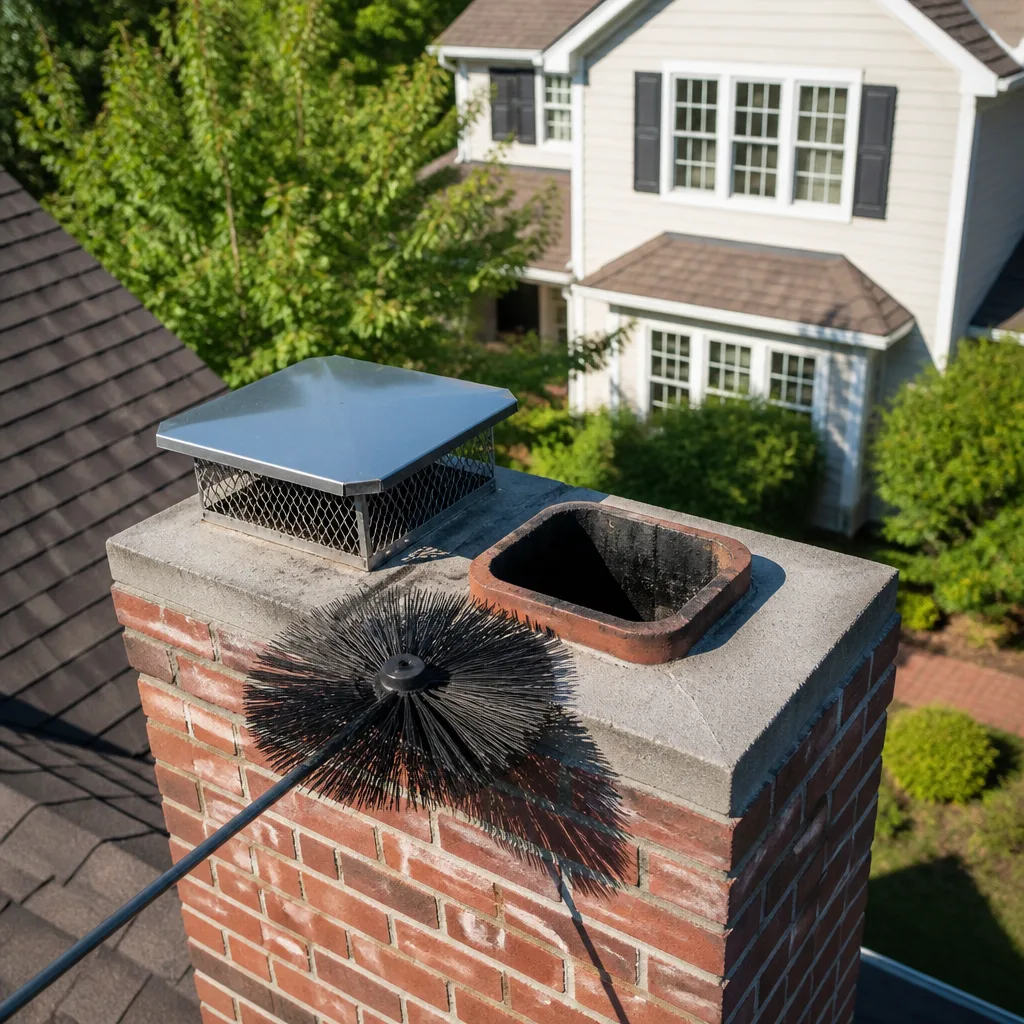 Sweep & inspection
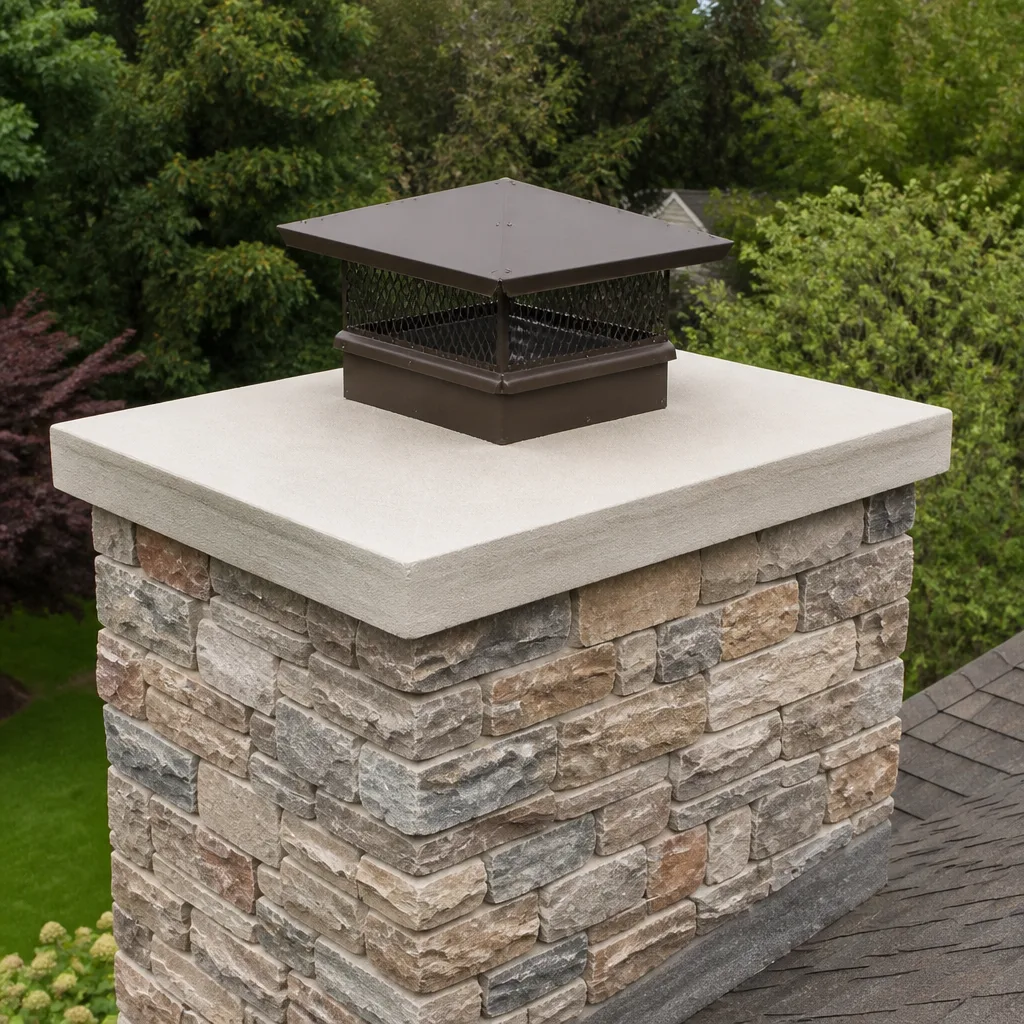 Caps & crowns
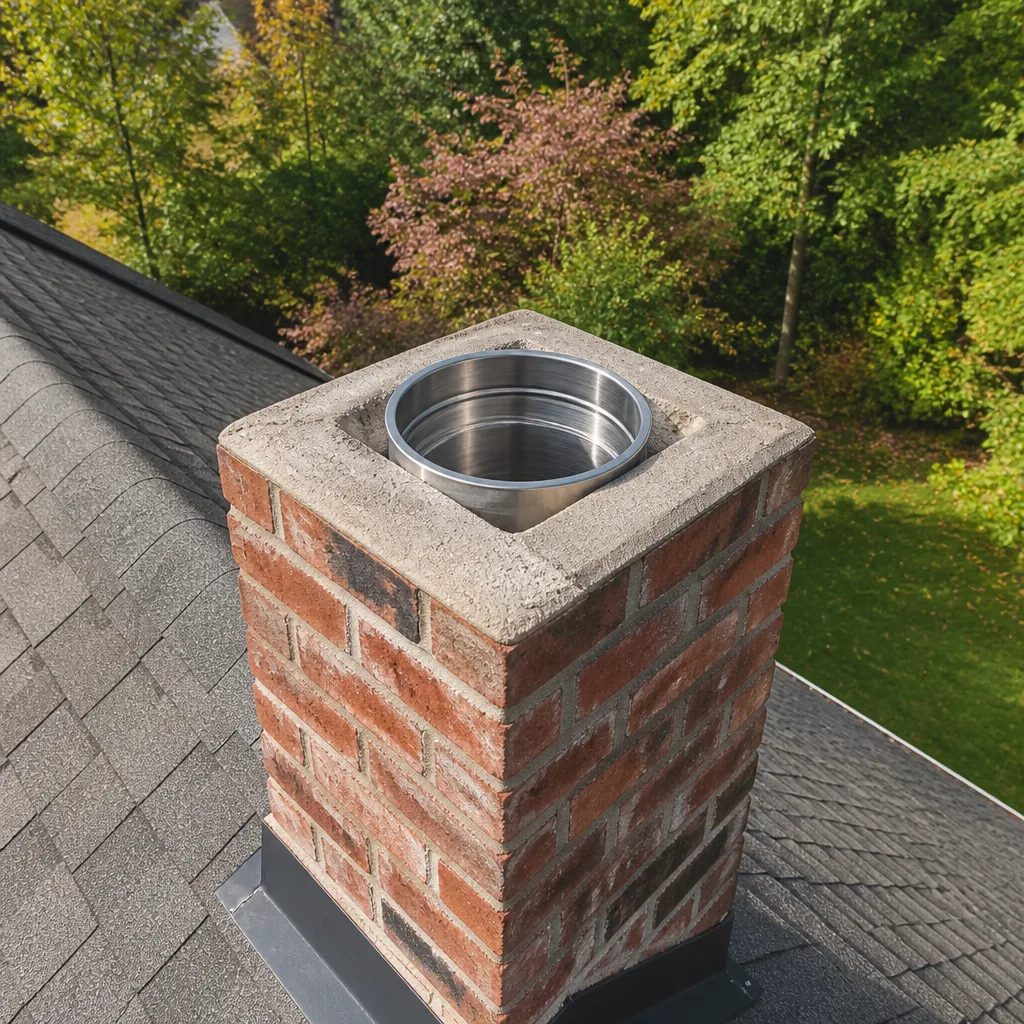 Flue relining
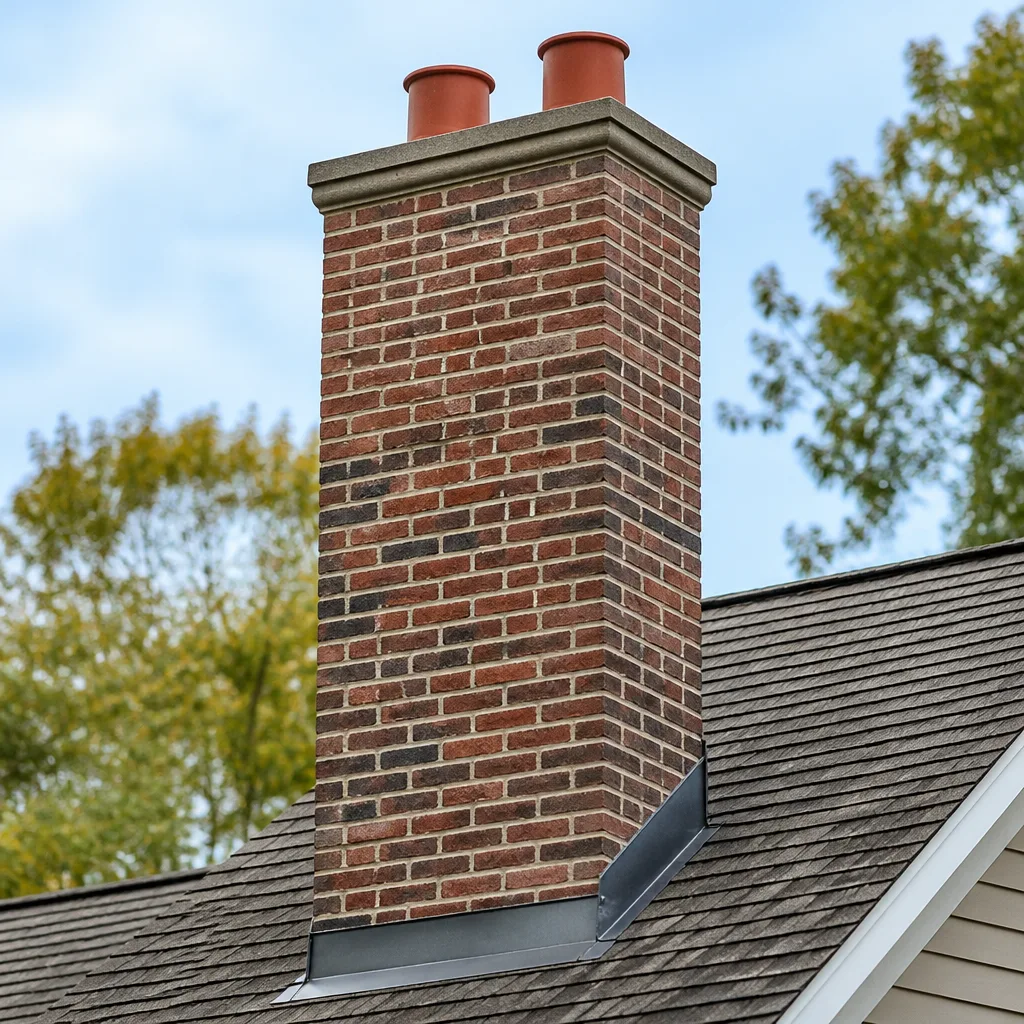 Masonry repair
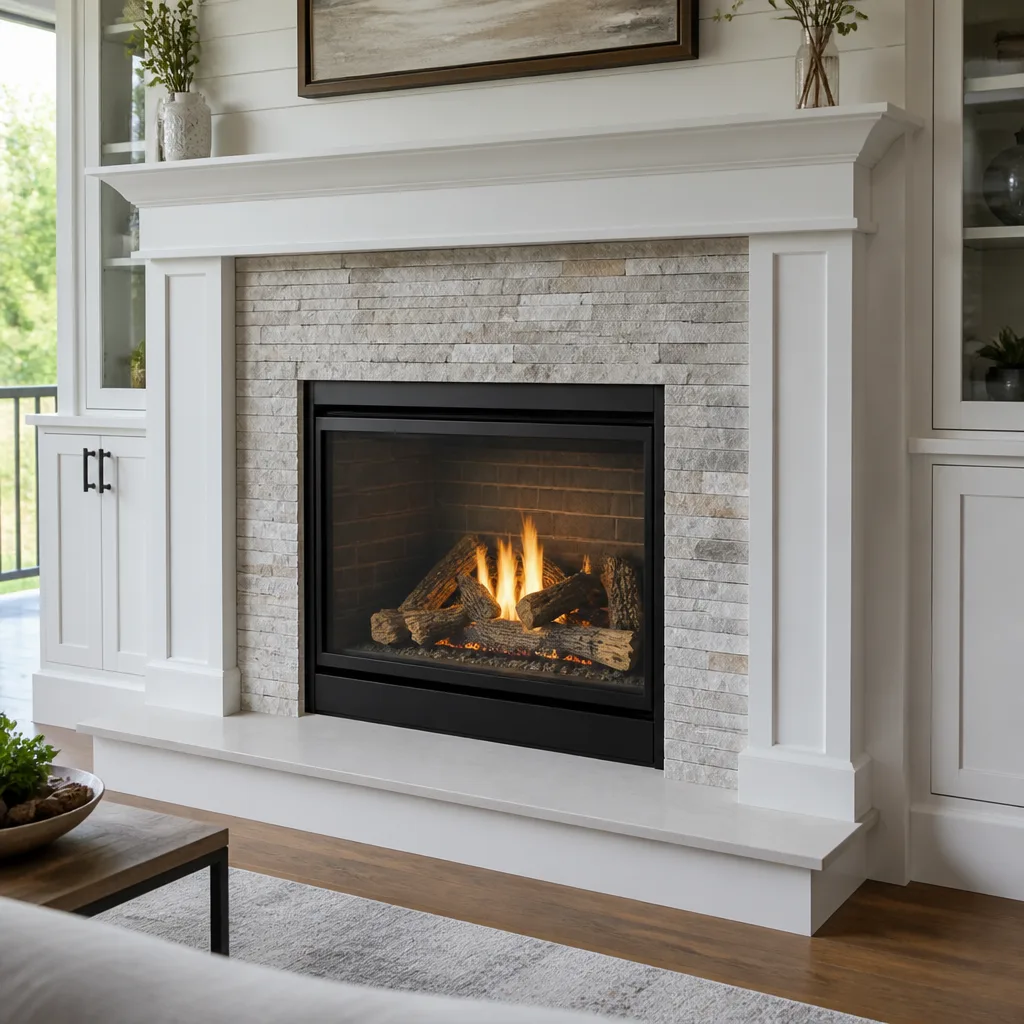 Gas fireplace service
Level 1 sweep and inspection to the NFPA 211 annual standard - flue, crown, cap, and flashing checked and photographed
Chimney sweep logs do not sweep chimneys. They loosen some creosote - which then falls where a brush and vacuum still have to collect it.
DIY vs Professional Chimney Cleaning: The Lake Highlands Homeowner’s Decision Guide
You can buy a chimney brush and rod kit online for less than the cost of a dinner out, and it will remove light soot from a flue. What it won’t tell you is whether the flue tile behind that soot is cracked, whether the smoke chamber is scalloped enough to slow draft, or whether the crown has been quietly letting water into the masonry for years. In a 40-year-old Lake Highlands chimney, those are the questions that actually matter. This guide gives you the honest version of the DIY vs professional chimney cleaning decision: what a homeowner can reasonably do, what requires training and equipment, where the real value of a professional sweep lives, and how to decide for your specific chimney in Lake Highlands.
Quick Answer
DIY chimney cleaning is technically possible for a motivated homeowner with the right tools, and it can handle light soot in a low-use fireplace between professional appointments. But a DIY sweep cannot replace an annual professional inspection, because the diagnostic findings that come with a professional cleaning (liner condition, crown integrity, damper seating, smoke chamber) are what make the sweep worthwhile in the first place. For most Lake Highlands homeowners, the right answer is a professional inspection and sweep once a year, with light DIY brushing in between if you burn heavily.
Styles & brands we work with
- Sweep & inspection
- Caps & crowns
- Flue relining
- Masonry repair
- Gas fireplace service
Table of Contents
- What DIY chimney cleaning can and cannot accomplish
- Tools and technique for a safe DIY sweep
- The diagnostic gap: what a professional sees that you can’t
- When DIY is reasonable vs. when it isn’t
- The insurance and documentation dimension
- Chimney sweep realities in Lake Highlands homes
- How to choose a professional chimney sweep
- Common mistakes to avoid
- When to call a professional
- Frequently asked questions
- The bottom line
What DIY Chimney Cleaning Can and Cannot Accomplish
Let’s start with what a homeowner can genuinely do. A chimney brush on a flexible rod, used from the top down or bottom up, will remove loose soot and light creosote from the flue walls. For a wood-burning fireplace that sees a cord or two a season, a mid-season brushing can keep the flue from accumulating enough soot to restrict draft between annual cleanings. That’s a real, useful function. It’s not dangerous and it’s not wasteful, and we’d rather a homeowner do it correctly than let the flue load up with soot they never address.
What a DIY sweep cannot do is verify the condition of the system. A brush doesn’t reveal a hairline crack in a clay flue tile. It doesn’t tell you whether the mortar joints between tiles have started to fail. It can’t see the smoke chamber above the damper, where creosote glazes onto the corbelled masonry and where draft problems often originate. It doesn’t measure the clearance between the chimney and combustible framing. And it can’t tell you whether the crown at the top of the stack is shedding water properly or quietly wicking it into the brick below.
There’s also the creosote question. Creosote forms in three recognizable stages: light soot (stage 1), a flaky, brittle crust (stage 2), and glazed, tar-like buildup (stage 3). A brush removes stage 1. It can chip at stage 2. It will skate across stage 3 without touching it. Glazed creosote requires chemical treatment or rotary mechanical tools, and it’s the form of creosote most associated with chimney fires. If your fireplace has ever had restricted draft or a heavy smell on warm days, you may be dealing with stage 3 buildup, and a DIY brush won’t solve it.
- DIY handles: light soot removal, stage 1 creosote, mid-season maintenance brushing.
- DIY misses: stage 2 and stage 3 creosote, flue cracks, crown damage, damper seating, smoke chamber condition, clearances.
- DIY never substitutes for: an annual inspection, which is a separate service from a sweep even though a good company performs both in one visit.
Tools and Technique for a Safe DIY Sweep: What You Actually Need
If you’re going to do this, do it right. A homeowner-improvising sweep with a wire brush tied to a rope is how people end up damaging flue tiles, scratching a stainless liner, and coating their living room in soot. Here’s the honest tool list and the technique that works.
Tools
- Polypropylene brush matched to your flue size and shape (round for round flues, rectangular for masonry fireplaces). Never use a wire brush on a stainless steel liner; it scratches the surface and can shorten liner life.
- Flexible fiberglass rods in 3-to-5-foot sections, with threaded couplings. Cheap sectional rods from a big-box store flex unpredictably and can jam.
- Heavy canvas drop cloth and painter’s tape to seal the firebox opening and prevent soot from migrating into the room.
- Respirator rated for fine particulates, not a dust mask. Soot particles are small and there will be a lot of them.
- Safety glasses and gloves.
- High-output work light pointed up the flue so you can see what you’re doing.
- Shop vacuum with a fine particulate filter, staged outside the room if possible.
Technique
- Close the damper and seal the firebox opening with the drop cloth, taping the edges. Cut a small slit for the rod.
- Work from the bottom up if you’re indoors, feeding rods through the firebox and up the flue, or from the roof down if you have safe roof access and a proper roof ladder setup.
- Use short, controlled strokes. Let the brush do the work. Don’t force it past a stuck point; back off and try a smaller brush head.
- Work in sections, and clean the firebox and smoke shelf thoroughly when you’re done. Soot on the smoke shelf restricts draft immediately.
- Remove the drop cloth slowly. Vacuum the room before you fold it up.
Two important safety notes. First, roof work is genuinely dangerous. If your roof pitch is steep, if it’s wet, or if you don’t have a stable ladder setup, don’t go up. Second, and more important: never attempt to clean or open the flue in a system that has been modified, has a damaged liner, or that you suspect has had a chimney fire. Those need a professional inspection before anything else happens. Call Chimney Sweep Lake Highlands and we’ll send a technician to look at it safely.
The Diagnostic Gap: What a Professional Sees That You Can’t
Here’s the case for professional chimney cleaning that most companies don’t make, and it’s the one we think is actually true. The value of a professional sweep isn’t the brushing. It’s what happens alongside the brushing. A trained technician sweeping your chimney is simultaneously performing a visual inspection of every surface they can reach, and they know what they’re looking at. That’s a diagnostic service, and it’s the reason the professional fee is worth paying even if your flue was already fairly clean.
What that looks like in practice. While sweeping the flue, a technician notes the condition of every accessible flue tile, the mortar joints between tiles, and any offset or gap that could let smoke or carbon monoxide escape into the chase. They look at the smoke chamber above the damper, which is where creosote glazes and where draft problems most often originate; corbelled smoke chambers from certain construction eras benefit from a technique called scarfing, which smooths the corbelled surface so smoke moves faster and cleaner. They check the damper for seating, warping, and rust; a damper that doesn’t seat fully is a heat-loss problem and a smoke problem. And they check the crown, the cap, and the top of the stack, where water intrusion starts.
That last point matters more than most homeowners realize. The leading cause of chimney damage in this region isn’t fire; it’s water. A cracked crown, a missing cap, or a failed mortar wash at the top of the stack lets rainwater into the masonry, and from there the damage runs downhill through the brick, the liner, and eventually the ceiling below. A professional sweep notices these early. A homeowner sweeping their own flue almost never does, because the issues aren’t visible from the firebox and they’re not looking for them.
That diagnostic gap is the real reason to hire a chimney specialist. Not liability, not danger, not fear. Information.
When DIY Is Reasonable vs. When It Isn’t
Not every homeowner needs the same answer, and we don’t think everyone who asks about DIY chimney cleaning needs to be talked out of it. Here’s a practical framework based on the age of the chimney, the type of system, and how much the household burns.
DIY is reasonable when:
- You have a professional inspection on record within the last 12 months.
- The system is under 15 years old, in a home you’ve owned through its life, with no known liner issues.
- You burn a cord or less per year and the flue was fairly clean at the last professional sweep.
- You’re doing a mid-season touch-up between annual appointments, not substituting for one.
- You have the right tools, a respirator, and safe roof access that isn’t a fall hazard.
DIY is genuinely inadequate when:
- The chimney is 30 to 40 years old or older. Cracks and mortar joint failures are common at this age and cannot be seen or assessed from below.
- You’ve had a chimney fire, even a small one. Once a chimney has burned, the liner and smoke chamber need a Level II inspection before anyone climbs up to clean.
- You burn heavily, frequently, or use unseasoned wood. Stage 2 and stage 3 creosote accumulation outpaces a brush.
- The chimney serves a gas appliance. Gas flues have their own failure modes and a professional inspection catches them.
- The system has a stainless liner. Wrong brushes damage liners, and inspecting a liner properly requires equipment a homeowner won’t have.
- You’ve noticed draft problems, smoke spillage into the room, or a strong creosote smell on warm days.
- The crown looks cracked from the ground, or the cap is missing or damaged.
For a lot of Lake Highlands homeowners in homes built in the 1960s through the 1980s, that second list is going to fit better than the first. The neighborhoods here carry a lot of original brick chimneys, and those systems have simply seen more winters than a modern install. That’s not a sales pitch; it’s just what an older masonry chimney looks like after decades of Houston-area Gulf humidity and the freeze events we do get, even in a mild-winter climate.
The Insurance and Documentation Dimension
Here’s an angle that most DIY-vs-professional comparisons skip, and it matters. Many homeowner insurance policies in Texas include language requiring documented professional inspection and cleaning after a chimney fire event, or as a condition of coverage for related claims. A DIY cleaning produces no documentation. It doesn’t satisfy that requirement, because there’s no third party attesting to the condition of the system before or after.
That doesn’t mean you need a pro every time you brush soot off the smoke shelf. But it does mean the case for annual professional service gets stronger the moment you have a chimney fire, even a small one, or the moment you file a claim related to smoke, soot, or fire damage. A dated service record from a professional company with inspection findings on file is the kind of documentation that supports your position with an adjuster.
The practical version of this: if you own your home, and your policy is a standard Texas homeowner form, it’s worth pulling the chimney and fire-related endorsements and reading the inspection language directly. We’re chimney technicians, not insurance agents, so we won’t tell you what your policy requires. But we will tell you that a professional inspection produces a written record, and a DIY sweep doesn’t. That record has value beyond the cleaning itself.
We handle professional inspection as a service in its own right because of exactly this. A chimney inspection isn’t a formality – it’s how we find small problems before they become expensive ones. If you’d like a written inspection on file for your Lake Highlands home, we can schedule one.
Chimney Sweep Realities in Lake Highlands Homes
Chimneys in Lake Highlands are not Houston chimneys and they’re not New England chimneys. The differences matter for the DIY vs professional decision.
Winters here are mild. That’s good news for your foundation and bad news for your awareness of the chimney, because the fireplace gets used in fits and starts. A handful of cold snaps per season, then weeks of disuse. That pattern does two things. First, creosote accumulates more slowly than in a northern climate, which means a DIY brushing in a low-use home can honestly be adequate between professional visits. Second, the long gaps between burns let moisture settle into the masonry, which is a different problem. The crown and cap are doing more work in a mild-winter climate than the fire itself, because they’re what keep the stack dry through the rest of the year.
Lake Highlands neighborhoods bring a few patterns worth calling out. Homes in the older stretches near White Rock Creek and along the established streets off Northwest Highway tend to carry original brick chimneys from the 1960s and 1970s, and those systems often have clay tile liners that are past their design life. Homes closer to the newer pockets carry more recent construction with stainless liners, which don’t crack the way clay does but add their own failure modes. Both types of chimney benefit from a professional eye at least once a year.
The other local factor is wood quality. Oak is the standby here, and oak that isn’t properly seasoned produces more creosote than dry wood. If you’re buying firewood from a stack on a roadside and burning it within weeks, you’re generating creosote faster than your firewood dealer will tell you. A professional sweep will let you know how much buildup is actually in the flue, which is the only real way to calibrate how hard your system is working.
If you’re outside our immediate area, we still recommend a local specialist who knows the housing stock. Our chimney sweep and inspection services are built around these specific realities.
How to Choose a Professional Chimney Sweep
If you’ve decided that professional service is the right call for your chimney, the decision process matters. Chimney sweeping is unregulated in most of Texas, which means anyone with a brush and a truck can call themselves a chimney sweep. Here’s how to pick one that’s actually doing the work.
- Ask about the inspection framework. Chimney inspections are categorized as Level I, II, and III. A Level I is a visual inspection of accessible components. A Level II adds a video camera scan of the flue, which is what you want when the system has had a chimney fire, a change in fuel type, or a known liner concern. A Level III involves opening concealed areas. A real professional should be able to name these levels and explain which one applies to your situation.
- Ask whether they perform repairs in-house. Sweep-only companies cap, crown, and reline by subcontracting, which means handoffs between companies and no unified responsibility for the outcome. Ask directly.
- Ask about the materials they use. When a sweep tells you they work with DuraFlex liner systems, HeatShield flue resurfacing, Olympia Chimney components, or Copperfield supplies, they’re signaling they know the product landscape. Those are professional-grade materials used by chimney contractors doing real repair work, not a single truck doing quick cleanings.
- Ask what you’ll receive as documentation. A photo report of what was found, written inspection findings, and a written estimate for any recommended work. If they can’t put it in writing, that’s your answer.
- Ask about pricing structure up front. A flat-price sweep agreed before the visit is standard. If a company’s pricing is unclear or “depends on what we find,” that’s a real red flag, and it’s the exact reason many Lake Highlands homeowners hesitate to call at all.
- Ask whether they do chimney work as their sole trade. A general handyman who sweeps on the side is a different product than a dedicated chimney company. For routine maintenance, that might be fine. For anything diagnostic, it isn’t.
We offer Level I, II, and III inspections aligned with CSIA service categories. We handle sweeping, inspection, cap and crown work, fireplace repair, and structural chimney repair under one company, which means no handoffs for different scopes. For cap or crown work, our chimney cap & crown service addresses the single most common source of water intrusion in these systems.
Common Mistakes to Avoid
- Treating a DIY sweep as an inspection substitute. A clean flue and a sound flue are two different things. Cleaning soot off a cracked tile leaves the crack exactly where it was.
- Using a wire brush on a stainless liner. Wire bristles scratch the inner surface of a liner and can shorten its service life. Polypropylene only, on a stainless flue.
- Skipping the cap when the crown is failing. In a mild-winter climate, water intrusion through a failed crown or missing cap is the more common cause of chimney damage than fire. If you’re already paying for a sweep, address the top of the stack in the same conversation.
- Burning unseasoned wood and hoping the sweep will catch up. Creosote accumulation is a function of burn quality, not sweep frequency. Wet wood and a chimney sweep are not a fair matchup.
- Booking a sweep-only visit when the system needs a Level II inspection. After a chimney fire, a fuel-type change, or a suspected liner issue, a camera scan of the flue should precede any cleaning. Ask for it.
- Ignoring the creosote smell on warm days. A strong creosote smell when the fireplace hasn’t been used in weeks is a draft or flue-condition signal. It’s worth a professional look before you burn again.
- Confusing fireplace appearance with chimney condition. The firebox and hearth can look great while the flue above them is deteriorated. What you can see is not the whole system.
When to Call a Professional
Call a chimney professional if any of these applies to your Lake Highlands home: the system is 30 years old or older and has never had a Level II camera inspection; you’ve had a chimney fire, even a small one; you’ve noticed smoke spilling into the room when the fireplace is lit; there’s a strong creosote smell on warm days; the crown is visibly cracked from the ground, or the cap is missing or damaged; you’re burning wood that isn’t fully seasoned and the flue has never been checked; or you simply haven’t had an inspection in the last 12 months. Routine annual inspection and sweeping is the belt-and-suspenders that keeps a wood-burning system working safely through decades of use, and it’s the single most useful thing a homeowner can do for their chimney. Our technicians have up to 8 years of experience, and every job gets a chimney specialist rather than a rotating generalist crew, because chimney work is all we do.
When the discovery is that a repair is needed, we handle the full scope from the firebox to the cap, working with materials the trade trusts including DuraFlex, HeatShield, and Copperfield, and we show you the camera findings behind any recommendation so you can see for yourself what we’re seeing. Free estimates in Lake Highlands – call (833) 508-9984. We answer 24/7. Fast dispatch from 7am to 7pm, Sunday through Friday.
Frequently Asked Questions
Once a year for most homes, or more often if you burn heavily. Lake Highlands winters are mild, so a typical household burning occasionally can go a full season between sweeps, but the annual sweep is the standard because it’s paired with an inspection and produces the record you need if anything goes wrong. If you burn more than two cords a year, plan on a mid-season check. Call (833) 508-9984 for an exact quote – estimates are free.
Yes, for light soot in a low-use fireplace between professional appointments. No, for anything that requires knowing the condition of the flue, which is most of the reason a professional sweep has value. The DIY cleaning is achievable; the DIY diagnosis isn’t. If you want the honest version of which case yours is, call (833) 508-9984.
A sweep removes soot and creosote. An inspection evaluates condition. They’re different services with different purposes, and a good chimney company performs them together in a single visit so nothing gets missed. A sweep without an inspection is a brush-and-a-ladder visit; an inspection is what makes the sweep worth paying for. If you want both scheduled in one call, dial (833) 508-9984.
Yes. Any chimney fire, regardless of size, warrants a Level II inspection with a video camera scan of the flue before the chimney is used again, because the fire may have damaged the liner in ways that aren’t visible from the firebox. Many homeowner insurance policies also require documented professional inspection after a chimney fire for related claims, and a DIY cleaning doesn’t produce that documentation. Call (833) 508-9984 to book a Level II inspection.
Skipping annual service means skipping inspection, not just skipping a cleaning, so liner cracks, crown failures, and stage 3 creosote build up without anyone noticing. The visible consequence can range from draft problems to a chimney fire to water intrusion into the surrounding framing, and the more expensive consequences generally start with the problems that a professional would have caught early. Call (833) 508-9984 for an inspection – estimates are free.
A standard chimney sweep in the Lake Highlands area typically falls in the $180 to $350 range for a straightforward cleaning, with inspections and any repair work priced separately based on what’s found. The written estimate sets the final price, and we agree the flat price before we book, so there are no surprises. Call (833) 508-9984 for an exact quote – estimates are free.
No. A clean chimney means the soot has been removed; it says nothing about the condition of the flue tiles, the mortar joints between them, the smoke chamber, the damper, or the crown. Those are the diagnostic findings that a professional sweep delivers alongside the cleaning, and they’re the reason a clean flue and a safe flue are two different questions. Call (833) 508-9984 to schedule a professional inspection.
It can, if you use the wrong brush on a stainless liner, force a brush past a stuck point, or work on a system that already has damage you can’t see. Done correctly – polypropylene brush, proper rods, controlled strokes, sealed firebox – a DIY sweep of light soot is generally safe. Done incorrectly, it’s one more way to convert a small problem into a bigger repair. If you’re not sure about the system’s condition, get it inspected first. Call (833) 508-9984.
The Bottom Line
DIY chimney cleaning is genuinely possible for a homeowner with the right tools, and it’s a reasonable between-visits habit for a low-use system that’s already been professionally inspected. It is not a substitute for the professional service, because the value of that service isn’t the brushing; it’s the diagnostic information that comes with it. In Lake Highlands, where a lot of the housing stock carries 40-year-old brick chimneys with clay liners that have been through more than their share of Gulf humidity and mild-winter swings, the diagnostic gap is the whole conversation. Protect the top of the stack, inspect annually, address what you find. If you’d like the condition of your chimney put in writing, we’d be glad to look at it. Our fireplace repair and inspection work is designed to catch problems early rather than chase them down later.
Ready to Schedule Your Sweep?
Whether you’ve been brushing your own flue for years or you’re calling a chimney company for the first time, we offer a straightforward path: a flat-price sweep agreed before booking, a camera inspection and photo report included, so you can see for yourself what’s happening inside your chimney. Nothing is recommended without evidence you can look at, and we’ll tell you plainly when work can safely wait. For a free estimate in Lake Highlands, call (833) 508-9984. We answer 24/7. Fast dispatch from 7am to 7pm, Sunday through Friday.
Written by the team at Chimney Sweep Lake Highlands.
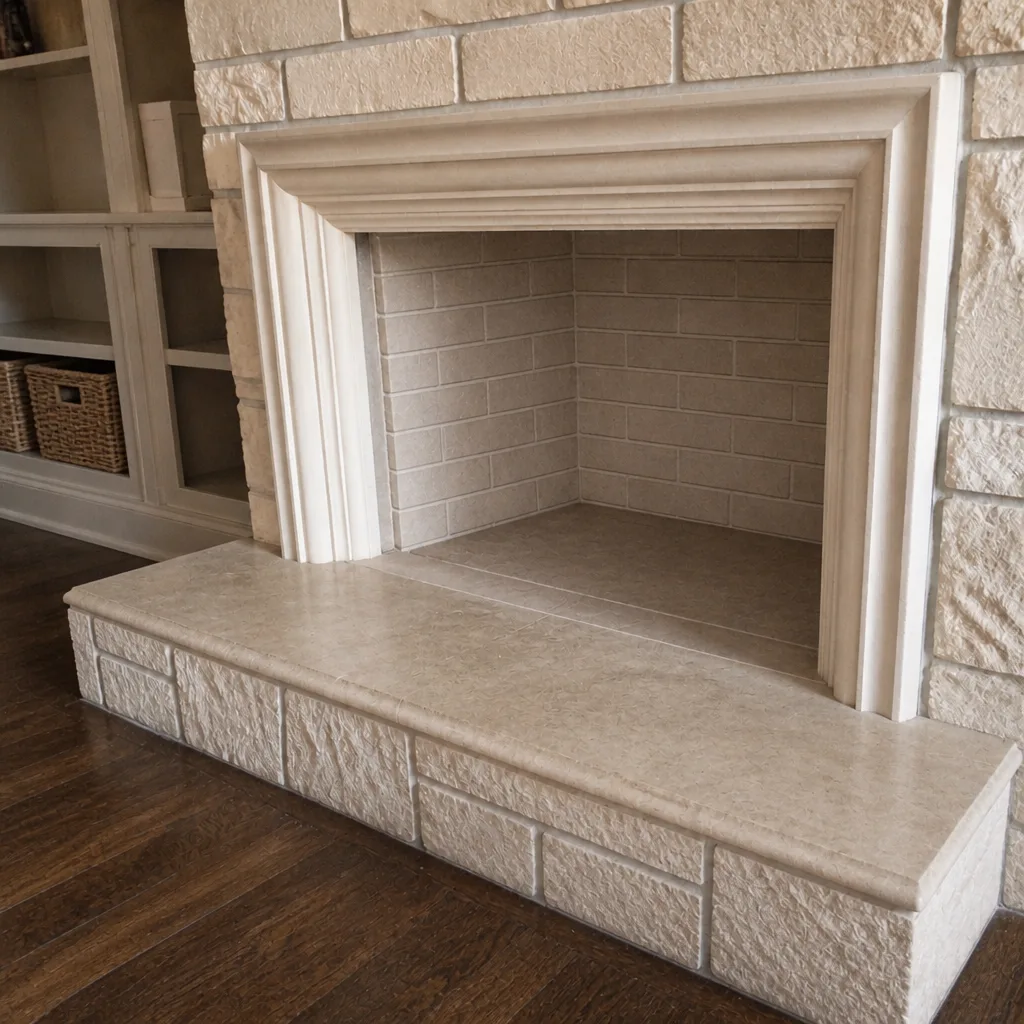
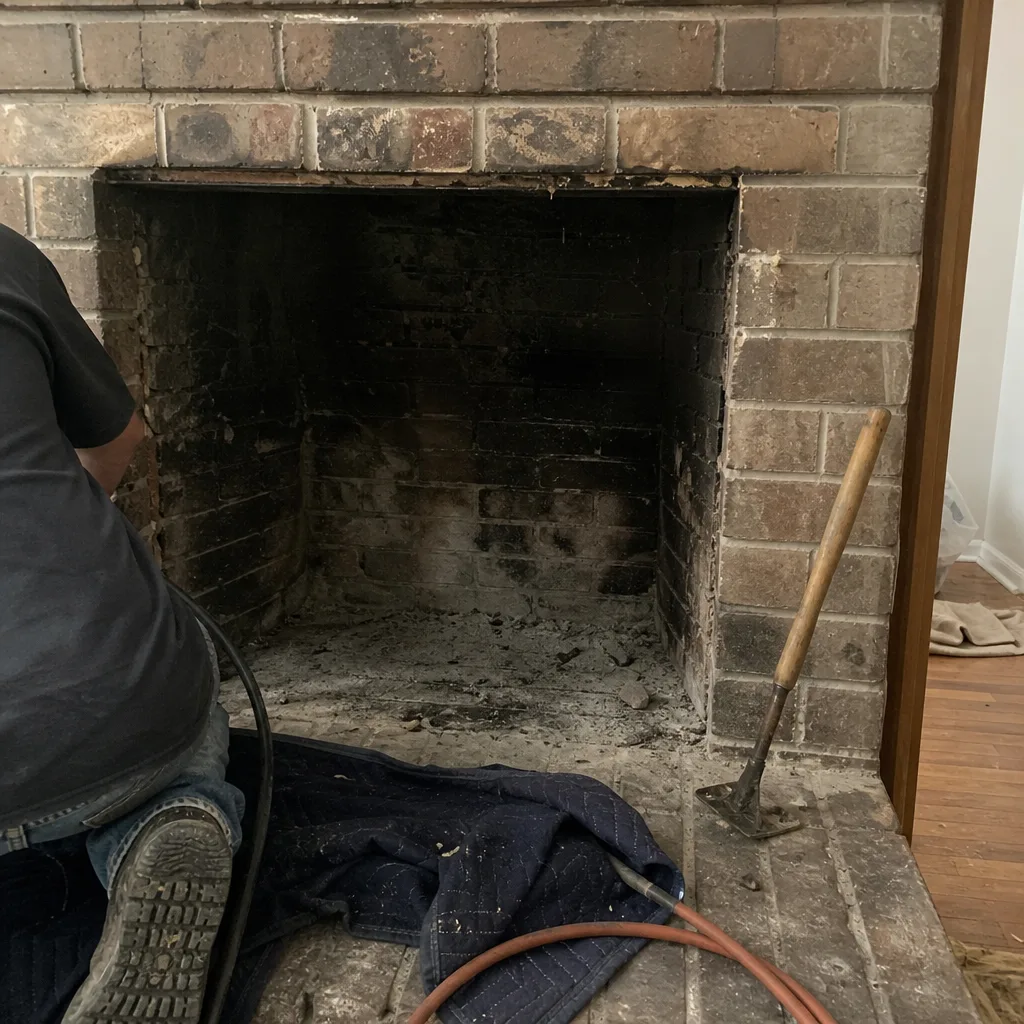
See the difference
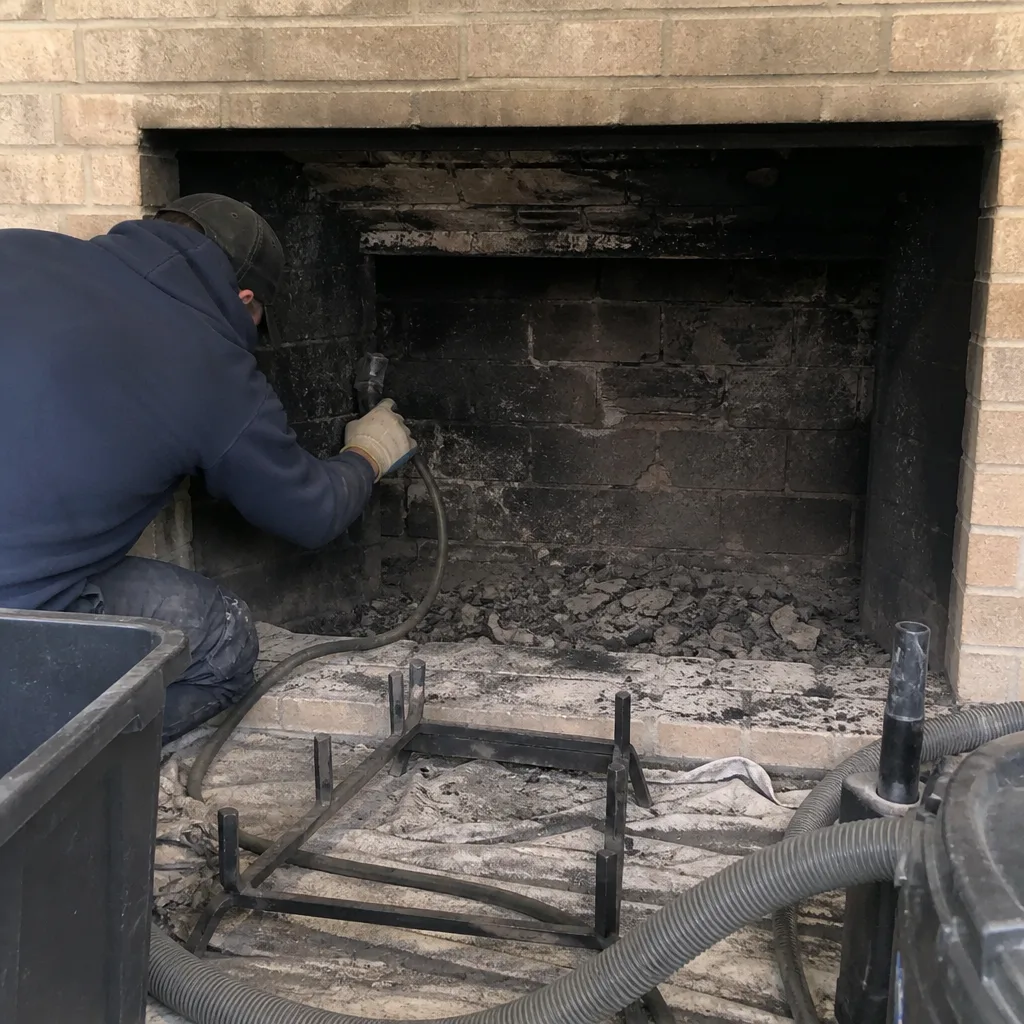 Before
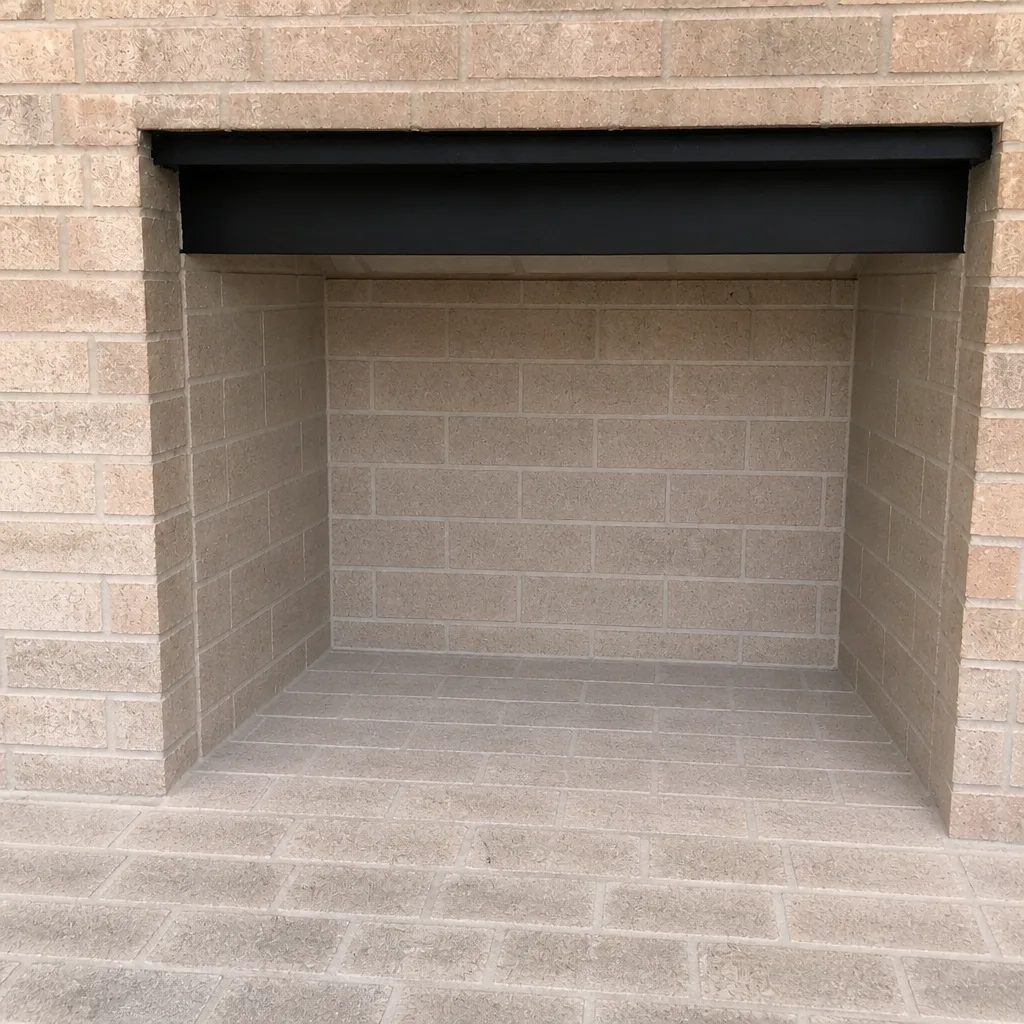 After
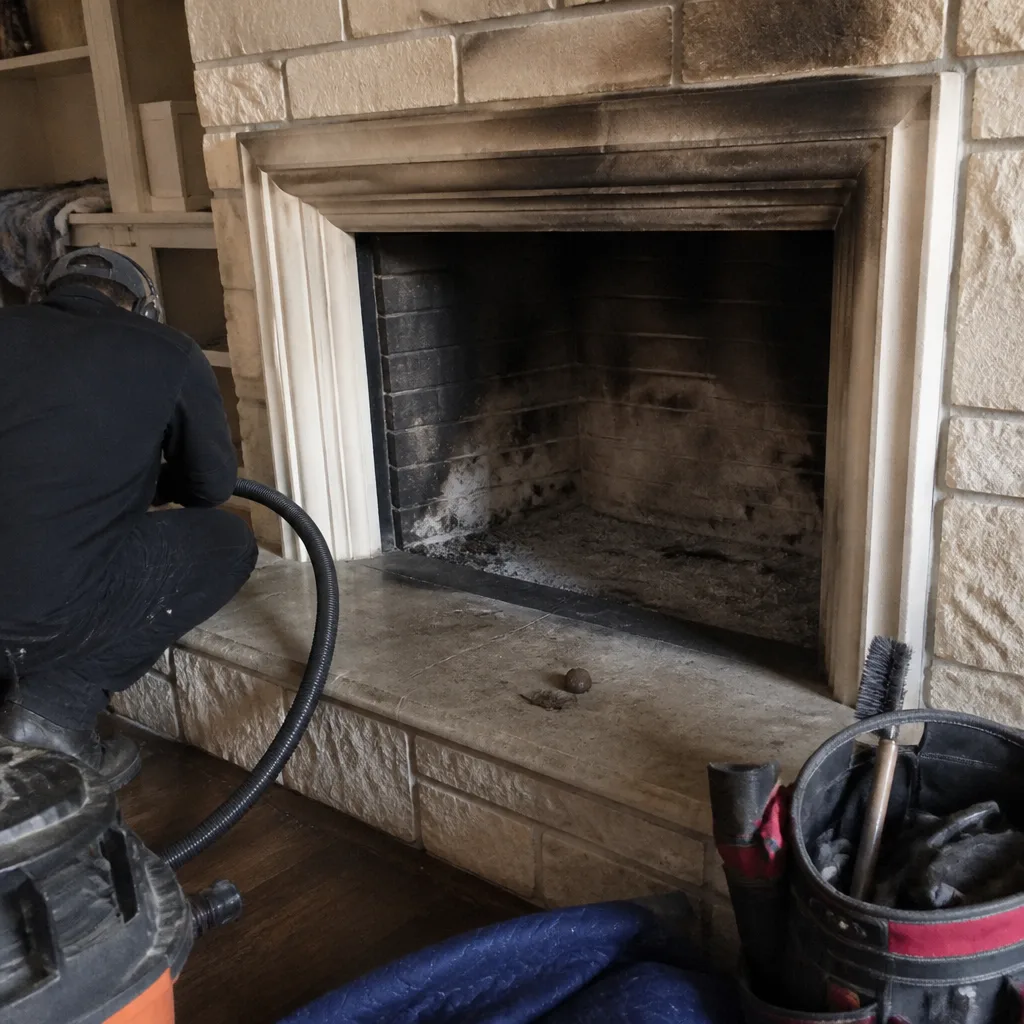 Before
 After
 Before
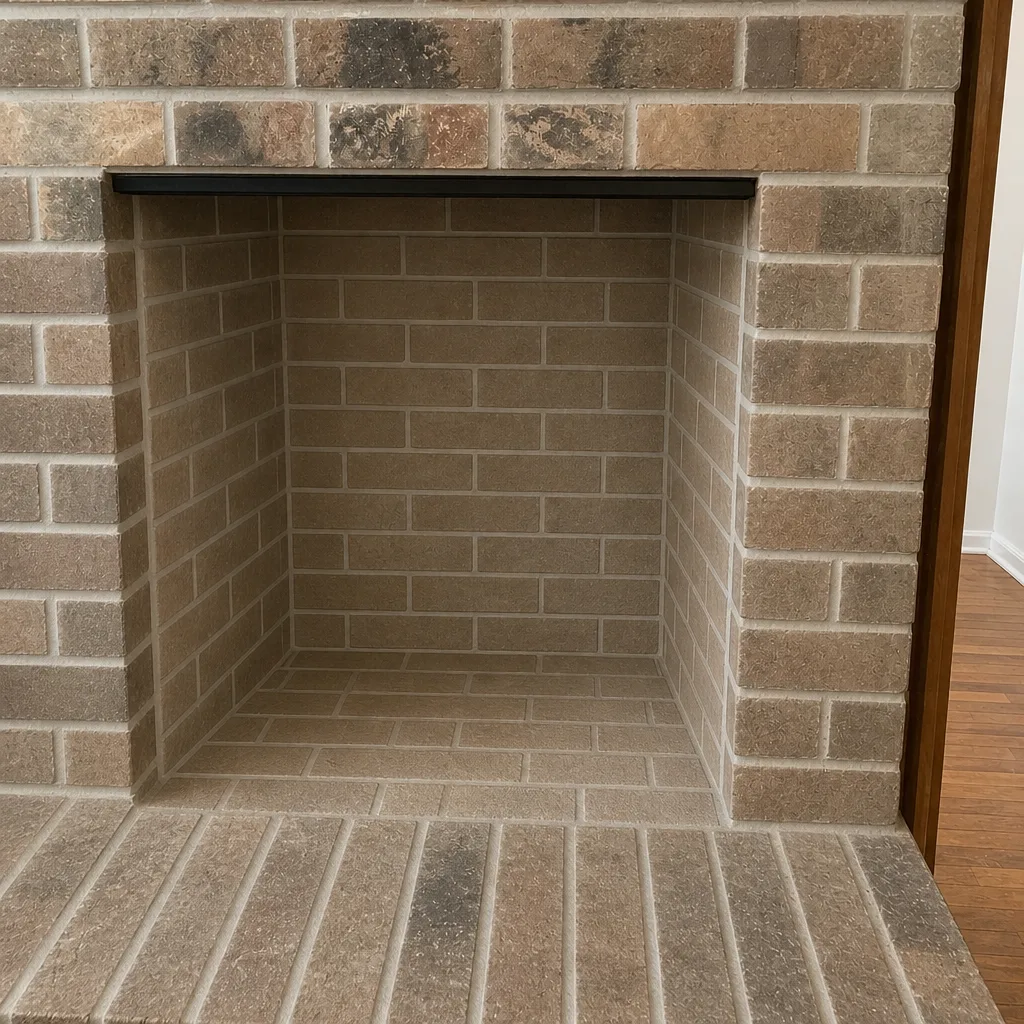 After