
Last updated November 22, 2026
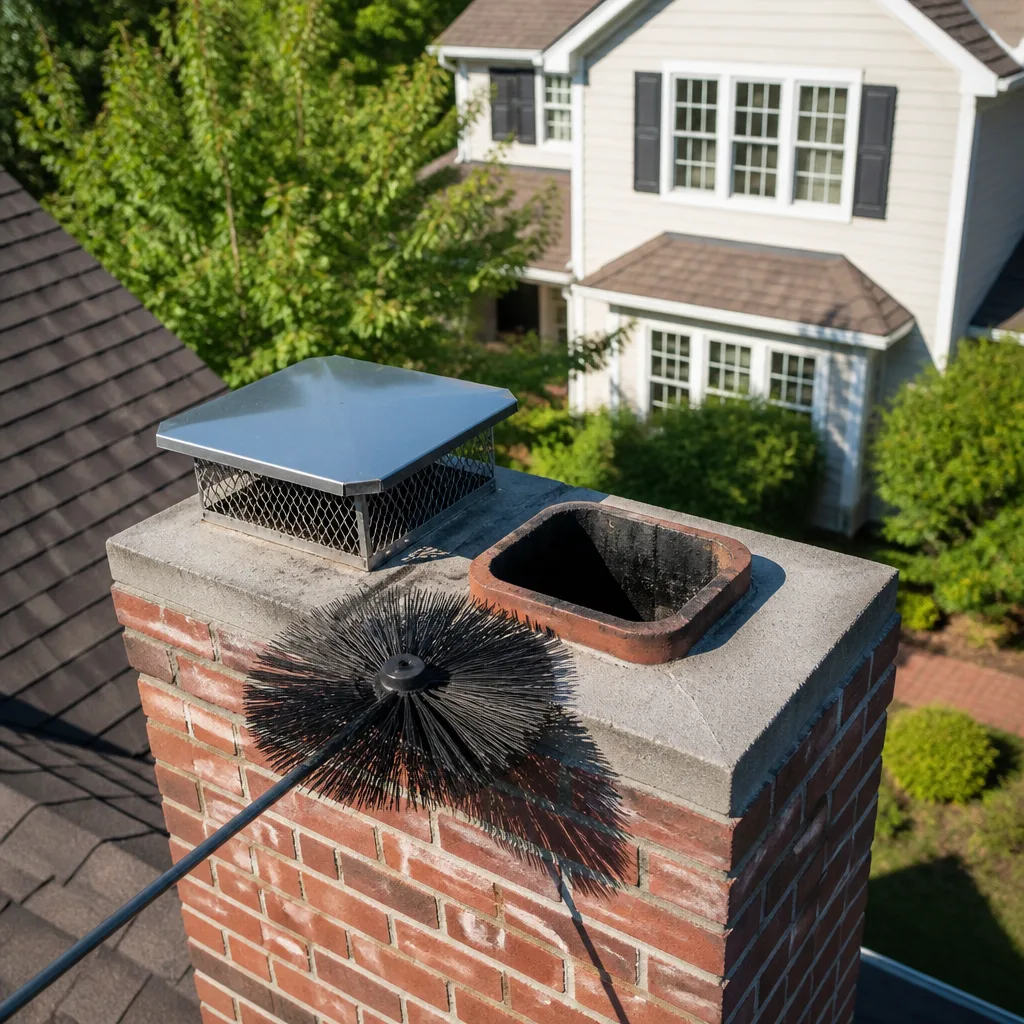 Sweep & inspection
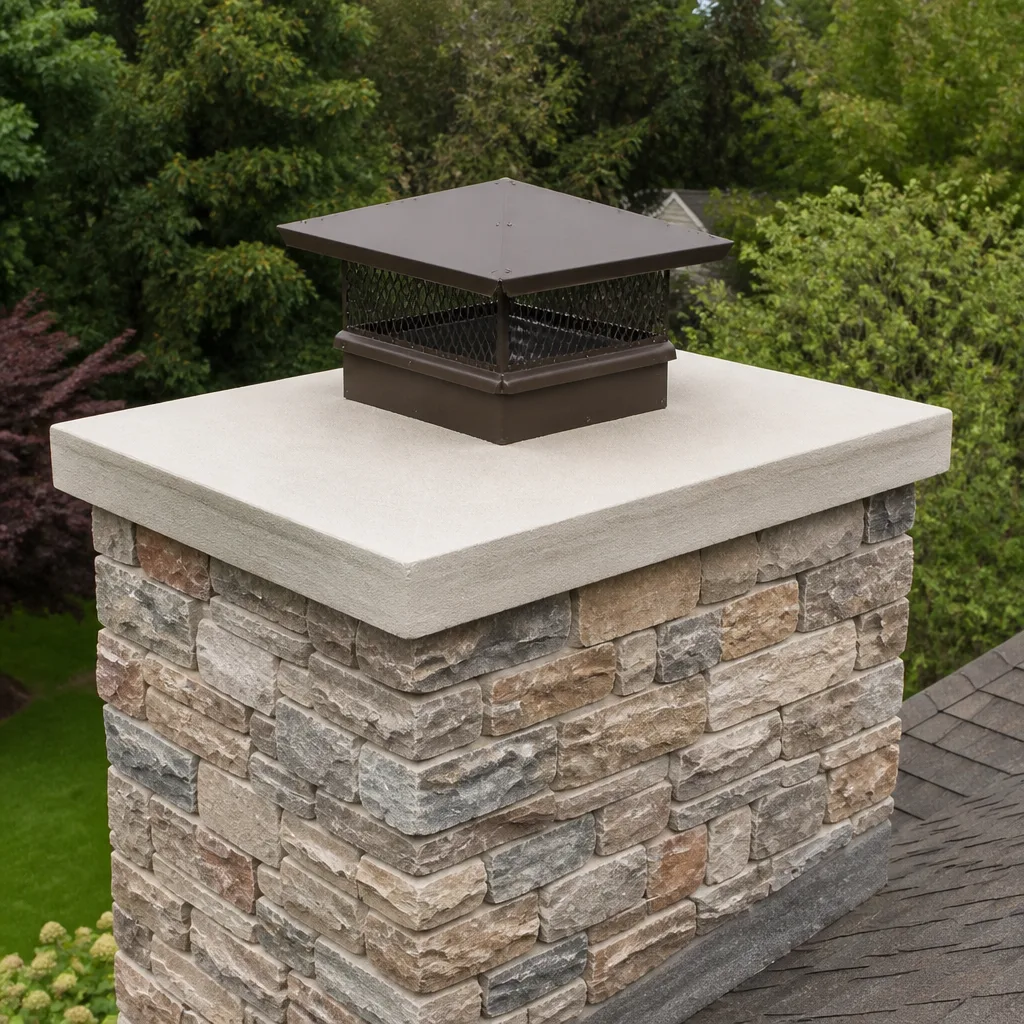 Caps & crowns
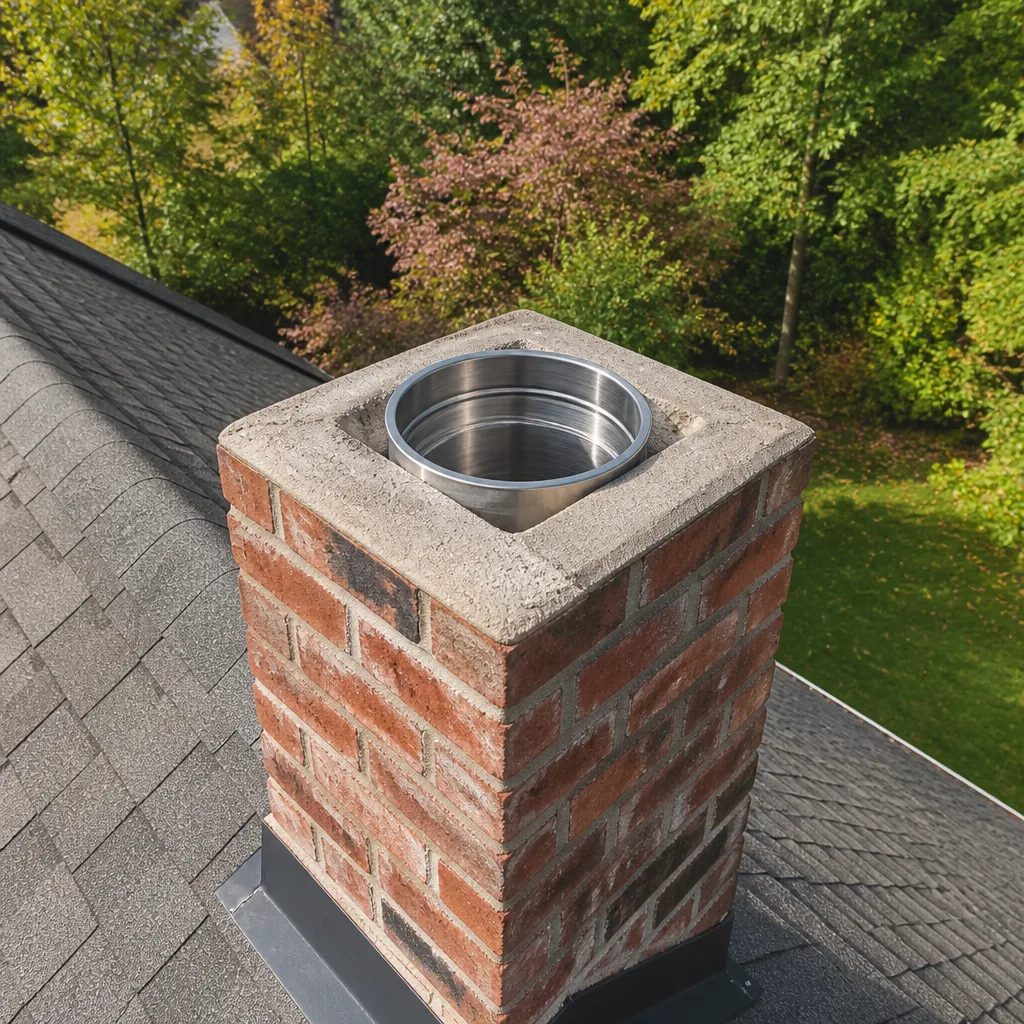 Flue relining
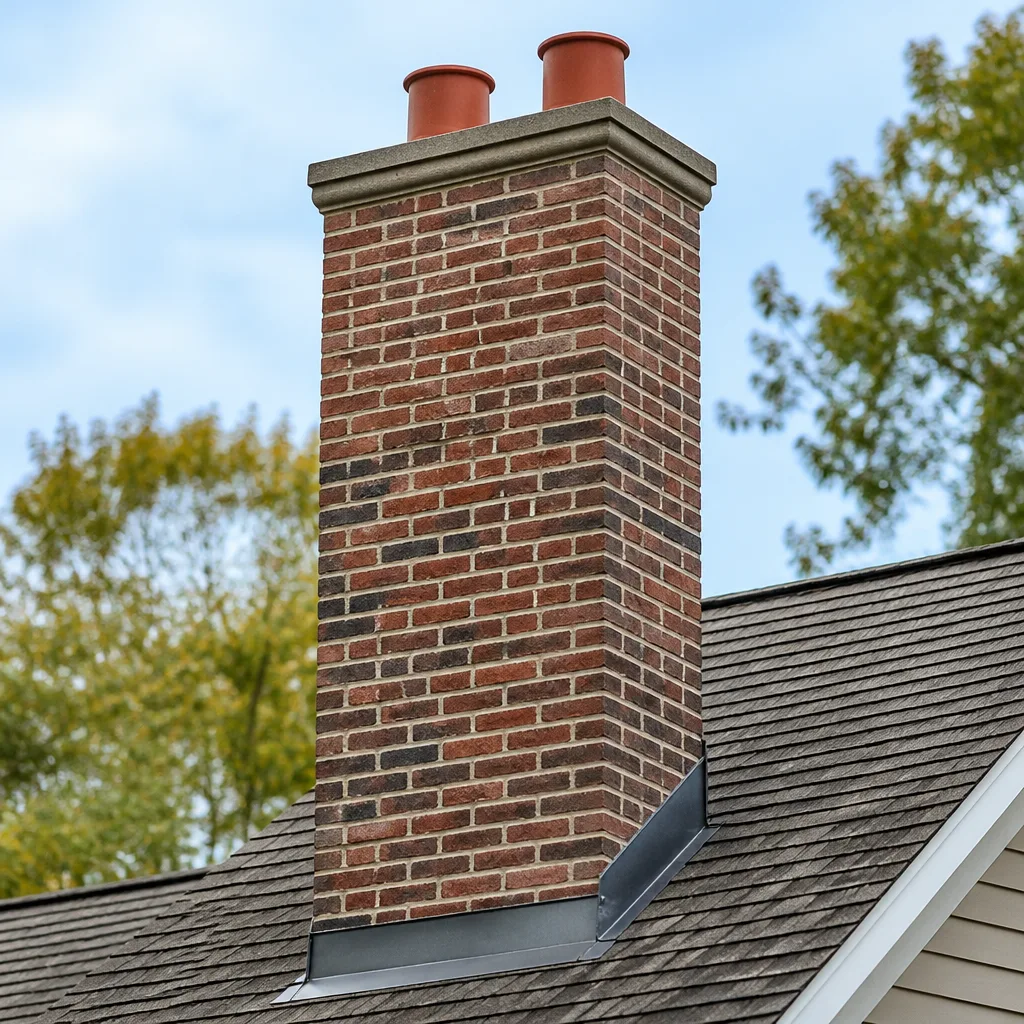 Masonry repair
 Gas fireplace service
Level 1 sweep and inspection to the NFPA 211 annual standard - flue, crown, cap, and flashing checked and photographed
Chimney sweep logs do not sweep chimneys. They loosen some creosote - which then falls where a brush and vacuum still have to collect it.
Chimney Cleaning Emergency Preparedness Guide for Lake Highlands Homes
Most homeowners don’t know what a chimney fire sounds like from inside the house until they’re hearing one – a low roar, a crackle that doesn’t stop, a vibration you feel more than hear. In that moment, having a response plan already decided makes the difference between a contained event and a structure fire. The same is true of carbon monoxide, where the danger is that there’s nothing to hear at all. Preparedness is not about living in fear of your fireplace. It’s about knowing which chimney problems you can prevent with routine care, which ones happen anyway, and what to do in the first sixty seconds when they do. This guide covers both categories for Lake Highlands homes, so you’re not improvising at 10pm after an unusual burn.
Quick Answer
Chimney emergency preparedness in Lake Highlands comes down to two tracks: preventing emergencies through an annual inspection and sweep before the first burn of the season, and having a rehearsed response for the two events that can happen despite good maintenance – a chimney fire and carbon monoxide exposure. For a chimney fire, stop the fire in the firebox, get everyone out, and call 911. For carbon monoxide, leave the house and call 911 if anyone has symptoms. After any suspected event, the chimney cannot be used again until a Level 2 inspection confirms it’s safe.
Styles & brands we work with
- Sweep & inspection
- Caps & crowns
- Flue relining
- Masonry repair
- Gas fireplace service
Table of Contents
- Why Lake Highlands Chimney Emergencies Are Mostly Predictable
- How to Recognize a Chimney Fire in Progress
- Carbon Monoxide Risk in Chimney Systems
- The Post-Event Protocol: What to Do After a Chimney Fire
- Pre-Season Preparedness: Your Fall Checklist
- What “Emergency Chimney Service” Realistically Means
- Situations That Warrant Same-Day Response
- Common Mistakes to Avoid
Why Lake Highlands Chimney Emergencies Are Mostly Predictable
Here’s the part most people miss: the overwhelming majority of chimney emergencies we encounter in Lake Highlands are the end result of a problem that gave warning signs first. Creosote builds up over a season of burning, then a hot fire ignites it. A cap goes missing, water gets in, the flue liner cracks, and combustion gases start leaking into the home. A damper sticks open, a bird builds a nest in the flue, and smoke backs into the living room. None of these start as surprises. They start as small conditions that a routine inspection catches.
Lake Highlands homes sit in a mild-winter climate. That sounds like good news for chimney care, and mostly it is – the burning season is shorter than in colder parts of the country. But mild winters have a hidden tradeoff. Because heating fires are less constant, many Lake Highlands homeowners burn fewer but hotter fires, mixing a load of cured wood with whatever else is around. Hot fires on a partially seasoned load produce creosote faster than steady, moderate burning would. The climate also means more time between uses, which is exactly when a loose cap, a cracked crown, or a nesting animal does its damage unnoticed.
The distinction the rest of this guide keeps coming back to is simple. Preventable emergencies get handled with a pre-season visit: inspection, sweep, and a look at the cap and crown. Emergencies that happen despite care – an unusual burn, a downdraft, a damaged flue that fails without warning – need a pre-decided protocol. Both matter. Neither one is served by panic.
A prepared Lake Highlands household knows three things: what its chimney looked like at the last inspection, where its carbon monoxide detector sits, and what it would do in the first minute of a suspected chimney fire. Everything else is detail.
How to Recognize a Chimney Fire in Progress
A chimney fire is not always obvious. Slow-burning chimney fires can go undetected for years, quietly damaging the flue. Fast, explosive chimney fires announce themselves with sound, smoke, and heat. Here is what to watch for.
Sound
- A roaring or low rumble that sounds like a freight train in the distance, or a persistent crackle from the flue that doesn’t subside
- Loud popping or a tapping sound – often described as the sound of a small animal moving in the flue
- Vibration in the chimney structure or the surrounding wall
Visible Signs
- Heavy, dark smoke or visible sparks from the top of the chimney
- Flames or heat visible at the chimney top
- A sudden smell of hot metal or a burning smell stronger than usual
- Black smoke puffing into the room – a sign that a chimney fire or blockage is preventing exhaust from leaving
The Correct Response Sequence
- Stop feeding the fire. Close the firebox doors if the fireplace has them, and shut the damper. Do not open the firebox to inspect the fire with a fresh breath of air – you’ll feed it.
- Get everyone, including pets, outside the house. Do this before you call anyone. No one should stay to fight a chimney fire from inside the home.
- Call 911. A chimney fire is a structure fire until proven otherwise. Even if the fire appears contained, the fire department is the correct first call.
- Tell the fire department where the flue is. If there’s a rooftop access point, mention it. Do not climb onto the roof yourself.
- Wait for the all-clear. Do not re-enter the home or relight anything until a fire official has inspected the situation.
A slow, undetected chimney fire doesn’t produce this drama. It presents later, as a cracked flue tile or a warped damper found during inspection. That’s why a routine chimney sweep matters – it’s often the first place a hidden fire leaves a mark.
Carbon Monoxide Risk in Chimney Systems
Carbon monoxide is the emergency a chimney owner is least likely to notice because it has no sound, no smell, and no visible smoke. It’s a product of incomplete combustion, and in a healthy chimney system it leaves the home through the flue. The danger comes when the flue is blocked, damaged, or sized incorrectly, and combustion gases back up into the living space instead of going up and out.
A blocked or damaged flue on a Lake Highlands chimney creates two problems. First, the gases have nowhere to go, so they take the path of least resistance – into the room. Second, even a partially blocked flue can reduce drafting, causing “backdraft” where air from the home is pulled into the flue and returned with carbon monoxide. Signs of backdraft include smoke rolling out of the firebox, a fireplace that takes a long time to catch, or a smell of smoke in the room even when no fire is burning.
Symptoms of CO exposure progress from mild to severe: headache, fatigue, and nausea at low levels; dizziness, confusion, and chest pain at moderate levels; loss of consciousness and worse at high levels. CO poisoning is often mistaken for the flu because the early symptoms look the same. If multiple people in the household or a pet show those symptoms at the same time, or if symptoms improve when you leave the house and return when you come back, treat it as a CO event.
Placement of the detector matters as much as having one. Put a CO alarm on every level of the home, and place one within ten to fifteen feet of the fireplace or the bedrooms it serves – close enough to catch a slow leak without generating false alarms from normal combustion. If the alarm sounds, get everyone outside and call 911, then call your chimney professional for an inspection before the fireplace is used again.
The Post-Event Protocol: What to Do After a Chimney Fire
After a suspected chimney fire, the chimney is not safe to use again until a professional has inspected it from top to bottom. This is not a CYA recommendation – the interior of the flue can be cracked, the damper can be warped, and the chimney structure can be damaged in ways that are impossible to detect from a ground-level look. Using the fireplace after an undetected fire is how a second, more dangerous event starts.
Step-by-Step After the Fire
- Wait for the fire department’s clearance. Do not light the fireplace until they’ve confirmed the fire is out and the structure is stable.
- Document everything before cleanup. Photograph the interior of the firebox, the damper area, the flue opening, and the exterior of the chimney. Note the date and a summary of what happened. Do not sweep out ash or remove debris before you’ve documented it – that’s evidence.
- Call your chimney professional for a Level 2 inspection. Level 2 covers the accessible portions of the chimney, the flue, the firebox, the damper, the crown, and the cap. It’s the correct scope after a chimney fire because it goes beyond the visual-only check of a Level 1.
- Contact your homeowner’s insurance. Ask what documentation they need and whether they want to inspect before any repairs are made. A written inspection report from the chimney professional is the standard document insurers request.
- Do not authorize repairs until the inspection is complete. A sweep kit sale in the middle of a fire aftermath is a warning sign. Get the report first.
What a Level 2 inspection covers in this context: the flue’s condition (look for cracked or missing tiles, gaps, or a stainless liner that has warped), the damper’s function, the firebox and its mortar joints, the crown and cap for signs of heat damage, and the overall path of the flue from firebox to chimney top. If HeatShield resurfacing or a DuraFlex liner is needed to restore the flue, the inspection report establishes why and documents the pre-repair condition.
Expect repairs to follow the inspection report. Relining after a chimney fire is common because heat damage is often invisible. The company handling your inspection should be able to move directly into repair without handing you off – which is how we’ve built our service offering at Chimney Sweep Lake Highlands.
Pre-Season Preparedness: Your Fall Checklist
The single most effective chimney emergency prevention step is a pre-season visit. In Lake Highlands, aim for late September or early October, before the first cool evening drives everyone to the fireplace. By that point any seasonal neglect – a cap that blew off in spring storms, a crown that cracked over the summer, a nest built in the flue – shows up in the inspection.
Pre-Season Checklist
- Schedule a chimney inspection and sweep. A Level 1 inspection plus a standard sweep is the baseline. If the chimney hasn’t been inspected in years, or if you’ve noticed unusual burning, a Level 2 covers more.
- Confirm the damper opens and closes freely. A stuck or partially closed damper is a smoke-in-the-house problem waiting for the first fire. Check it before the burn season, not after.
- Verify the cap and spark arrestor. The cap keeps water, debris, and animals out of the flue. A missing or damaged cap is the leading cause of water intrusion and, downstream, of the cracked flues that cause carbon monoxide problems. Our chimney cap & crown service addresses exactly this. Look at the chimney top from the ground with binoculars if you can’t see it well from a window.
- Check the crown. The crown is the concrete cap on top of the chimney that sheds water away from the flue. A visibly cracked crown is a slow water leak into the chimney structure.
- Test every smoke and carbon monoxide detector. Replace the batteries, and confirm placement near the fireplace.
- Stock up on properly seasoned firewood. Wood that hasn’t dried produces more creosote. Look for split, stacked, and covered wood with a light gray, cracked surface – the visual sign of dry wood.
- Know your chimney specialist’s contact protocol. Save the phone number, understand when the line is answered, and know how dispatch works. That, not the emergency itself, is what you want to be figuring out at 9pm.
If you’re ever unsure whether the crown, cap, or firebox needs attention, have it looked at before lighting the first fire. Small problems found in October are cheaper than the same problems discovered in January.
What “Emergency Chimney Service” Realistically Means
A lot of homeowners aren’t sure when a chimney problem is a genuine emergency and when it’s urgent-but-not-emergency. That uncertainty is worse than either list, because it leads to two mistakes: panicking over a problem that can wait, or waiting on a problem that shouldn’t. Here’s the honest split.
True Emergency – Act Now
- Visible fire in the chimney or a roar from the flue – this is a chimney fire. Call 911.
- Carbon monoxide alarm sounding – leave the house and call 911.
- Smoke pouring into the living space from the firebox with the damper open – could be a blocked flue. Stop the fire, get everyone out, call the fire department if the smoke doesn’t clear.
- A structural failure – a chimney collapse or a visible crack opening in the masonry is a stop-use event.
- A strong smell of gas near a gas fireplace – leave, call the gas utility or 911 from outside.
Urgent – Same-Day or Next-Opening Response
- Smoke backing up into the room during a fire without visible fire in the flue. Stop using the fireplace until it’s inspected.
- A strong burning smell or soot falling into the firebox – often a sign of a creosote buildup that needs a sweep.
- Water stains on the chimney, ceiling, or wall near the fireplace – a cap or crown failure getting worse with each rain.
- A bird or animal in the flue – not a fire emergency, but the fireplace shouldn’t be lit until the flue is cleared.
- A CO detector chirp or false alarm – replace the detector and have the chimney inspected before the next fire.
Routine – Schedule a Visit
- Annual sweep and inspection
- A cracked crown you’ve noticed but that hasn’t caused interior damage
- Fireplace glass that’s sooty from ordinary use
- A damper that sticks but functions
For the urgent list, our line is answered 24/7. Dispatch runs 7am to 7pm, Sunday through Friday, and we’re closed Saturday. A call outside dispatch hours is booked into the next opening – that’s the honest schedule, and it’s better to know it before you need it.
Situations That Warrant Same-Day Response
When a Lake Highlands homeowner calls with a chimney problem, the first question we ask is whether the fireplace is still in use. If it is, and the problem is in the second list above, the answer is usually to stop using it and get a technician out as quickly as the schedule allows – often same day. The problem doesn’t get better with another fire.
The clearest same-day scenarios are smoke in the home and water in the chimney. Smoke backing into a room is a drafting problem, and drafting problems don’t resolve on their own. Water entering through a failed crown or cap is a slow structural threat – each rain cycle it goes unaddressed damages the flue liner and masonry, which is the pathway that leads to bigger repairs down the road. If a fireplace has stopped working cleanly – the draft feels weak, the fire smokes, the room smells of smoke after the fire is out – that’s a same-day inspection.
What we’d push back on: we don’t want a homeowner scheduling a same-day call out of anxiety when the situation genuinely can wait. A slightly noisy chimney or a single soot streak with the fireplace unused is not a same-day problem. Our service philosophy is to tell you straight – if the fireplace is not in use and there’s no visible damage, the chimney can usually wait for a scheduled inspection, and we’ll say so.
A true emergency call benefits from a pre-decided plan. Save the number now, before the burn season, even if you never need it. Label it clearly in your phone so it’s easy to find in a moment of stress.
Common Mistakes to Avoid
- Relighting after a chimney fire without a Level 2 inspection. Heat damage to the flue is often invisible from the firebox. Relighting is how a contained chimney fire turns into a second, worse one.
- Assuming the annual annual sweep is enough. A sweep clears creosote. It doesn’t check the flue liner, crown, cap, or damper for structural problems. Ask for a Level 1 inspection alongside the sweep.
- Ignoring a chiming CO detector as a false alarm. CO has no smell. When the detector sounds, treat it as real until the cause is found. Get everyone outside and call 911.
- Clearing out the ash after a chimney fire before documenting it. Photo evidence of the interior of the firebox and flue is what insurers and inspecting professionals use to establish scope. Do the documentation first.
- Using a general handyman or HVAC company for chimney repair. Chimney work – especially relining and flue resurfacing – is a specialty. A generalist doesn’t have the lining systems or the diagnostic tools a fireplace repair professional brings to the firebox.
- Assuming mild Lake Highlands winters mean the chimney needs less care. Fewer, hotter burns on a range of seasoning levels is its own creosote pathway. The mild climate shortens the burn season; it doesn’t remove the need for a pre-season inspection.
- Buying a chimney sweep kit and doing the flue yourself after a fire. The brush clears soot. It doesn’t tell you whether the liner is cracked. Only an inspection with a camera does that.
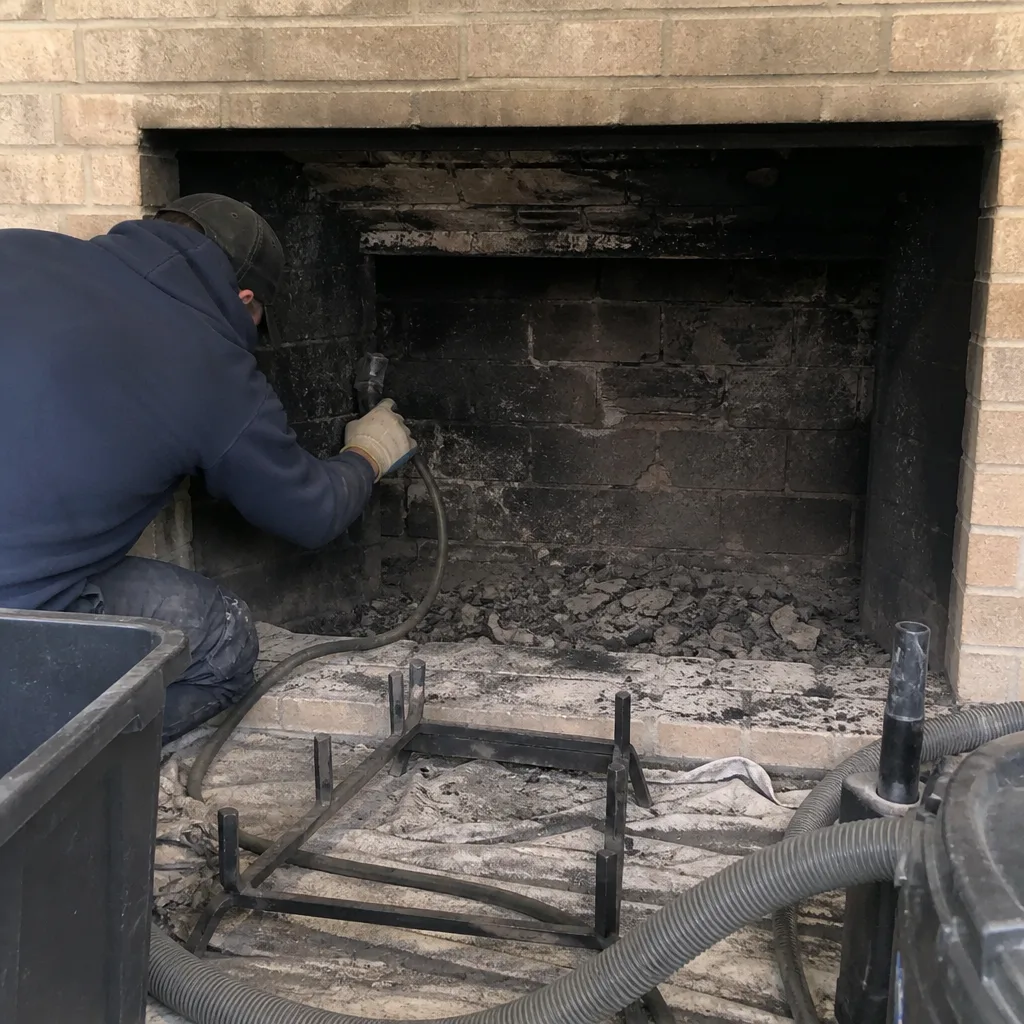
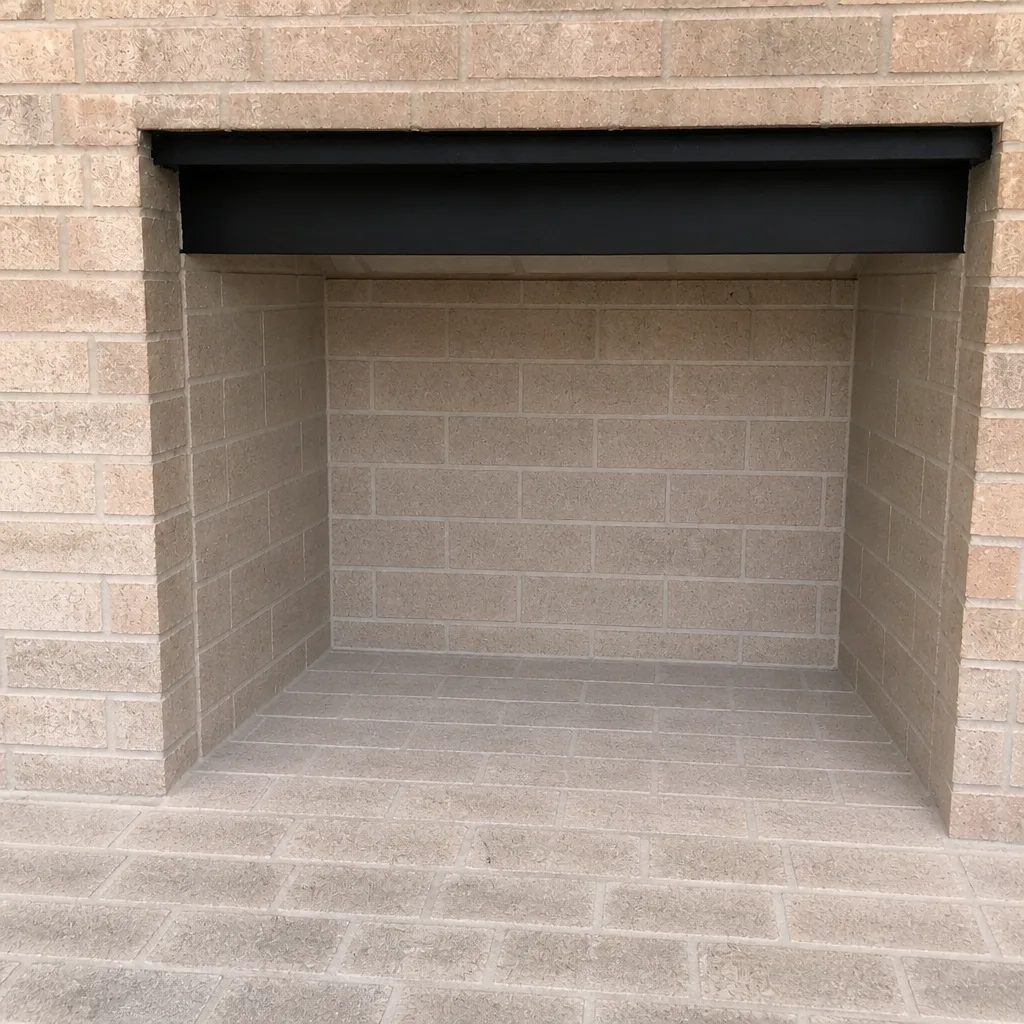
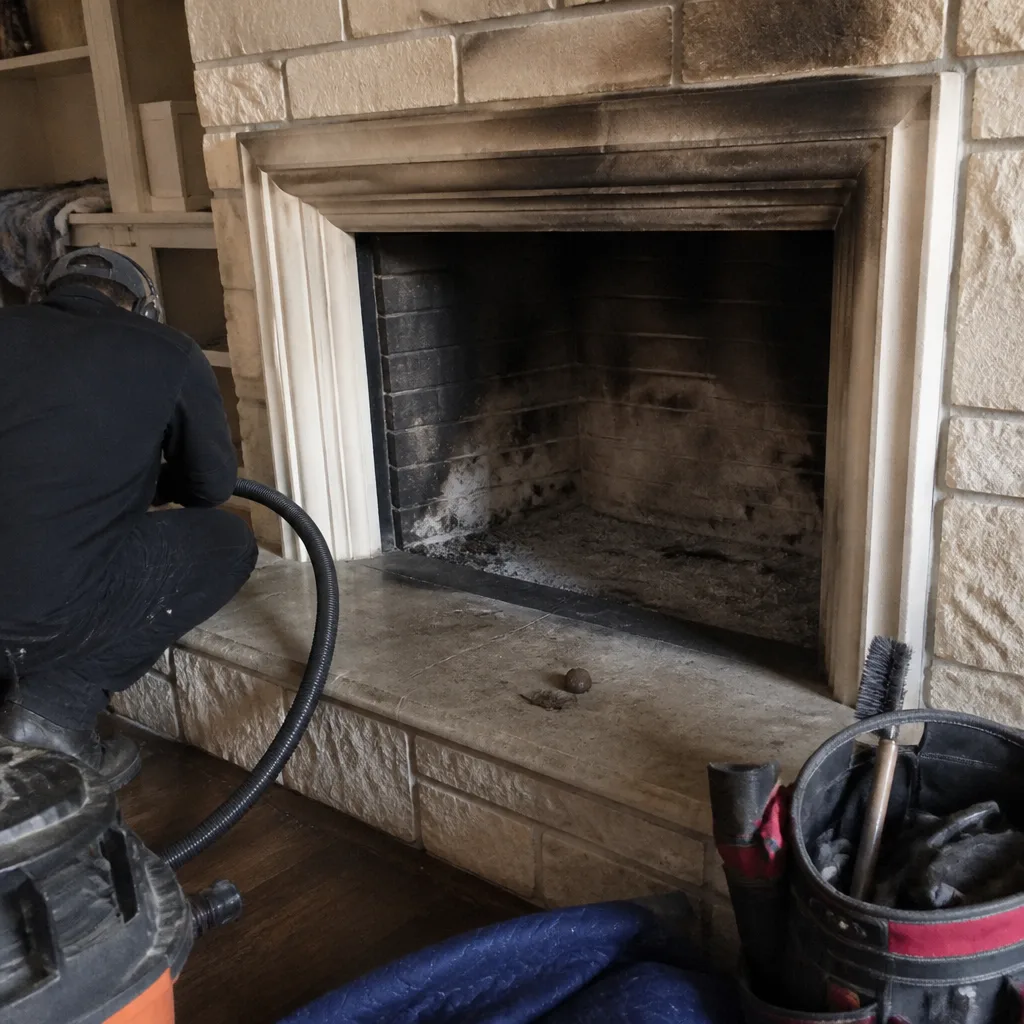
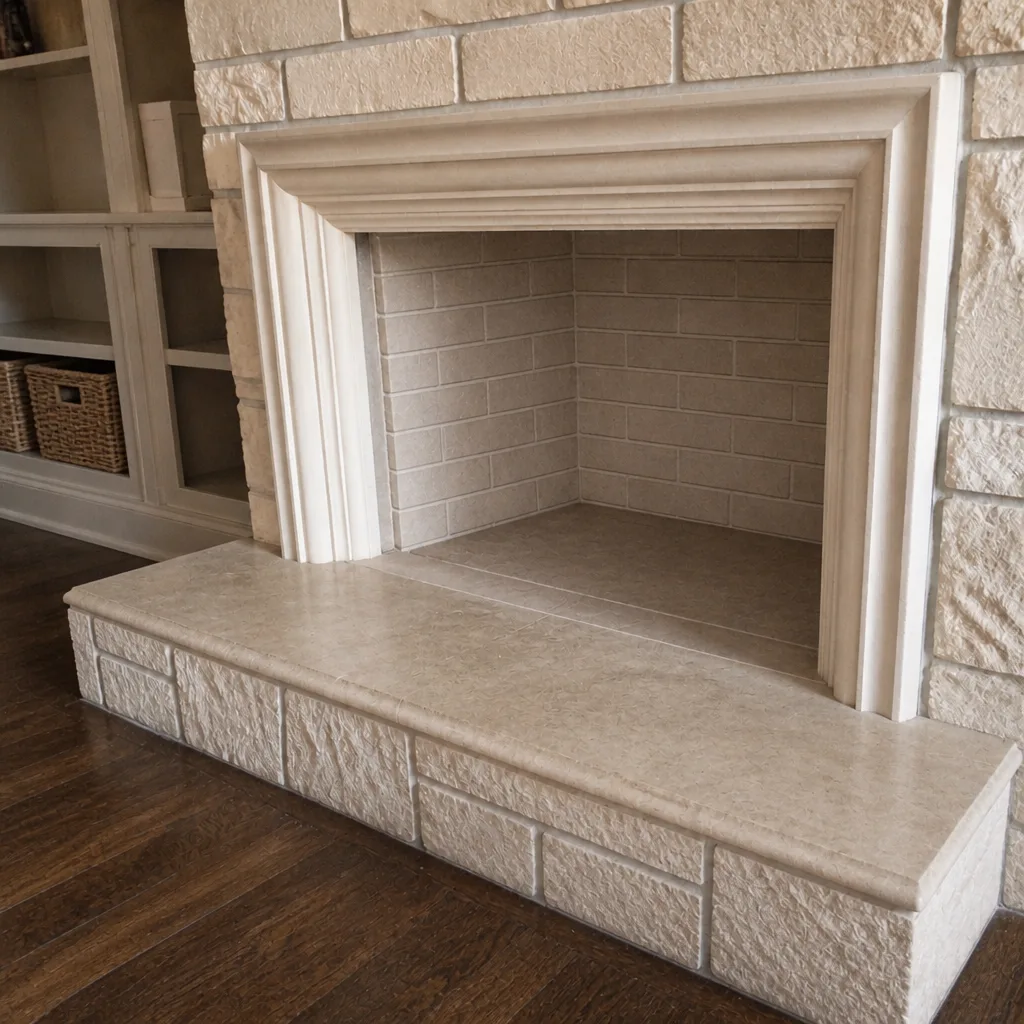
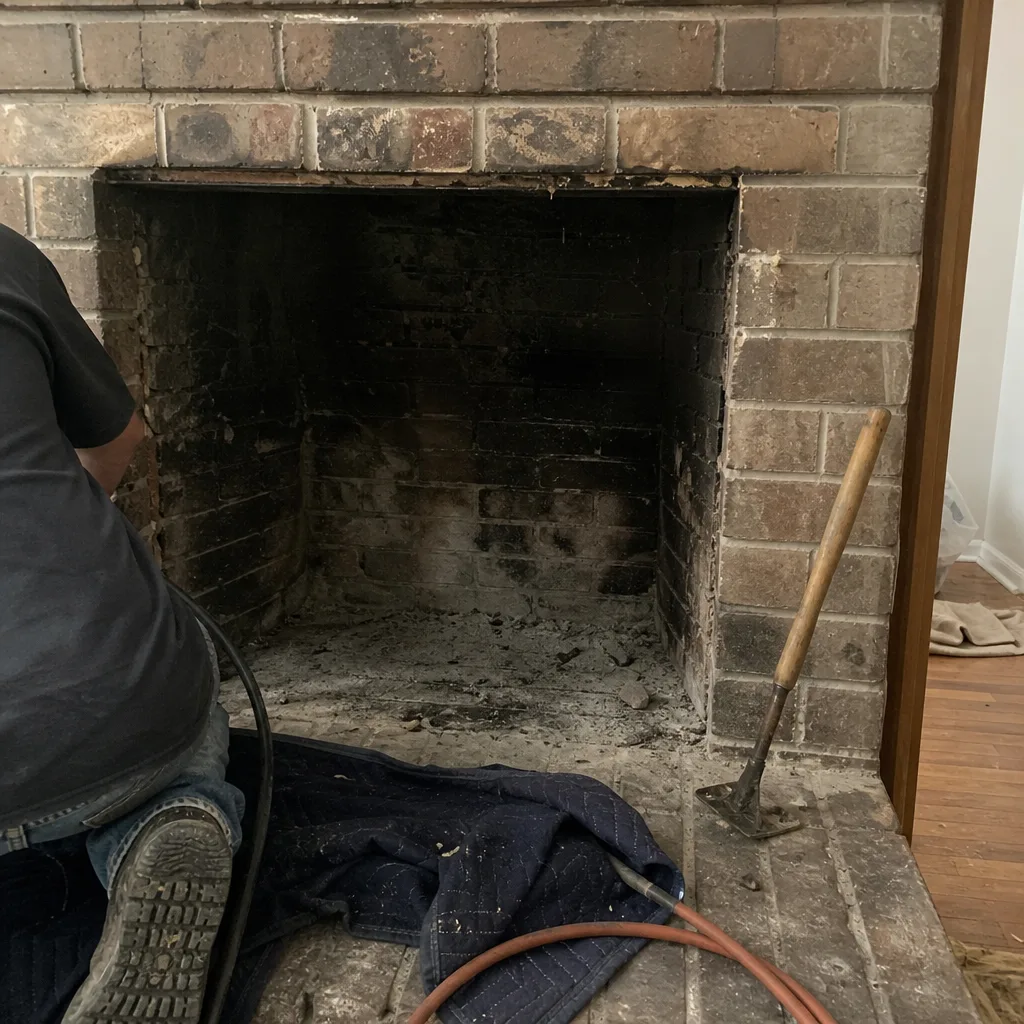
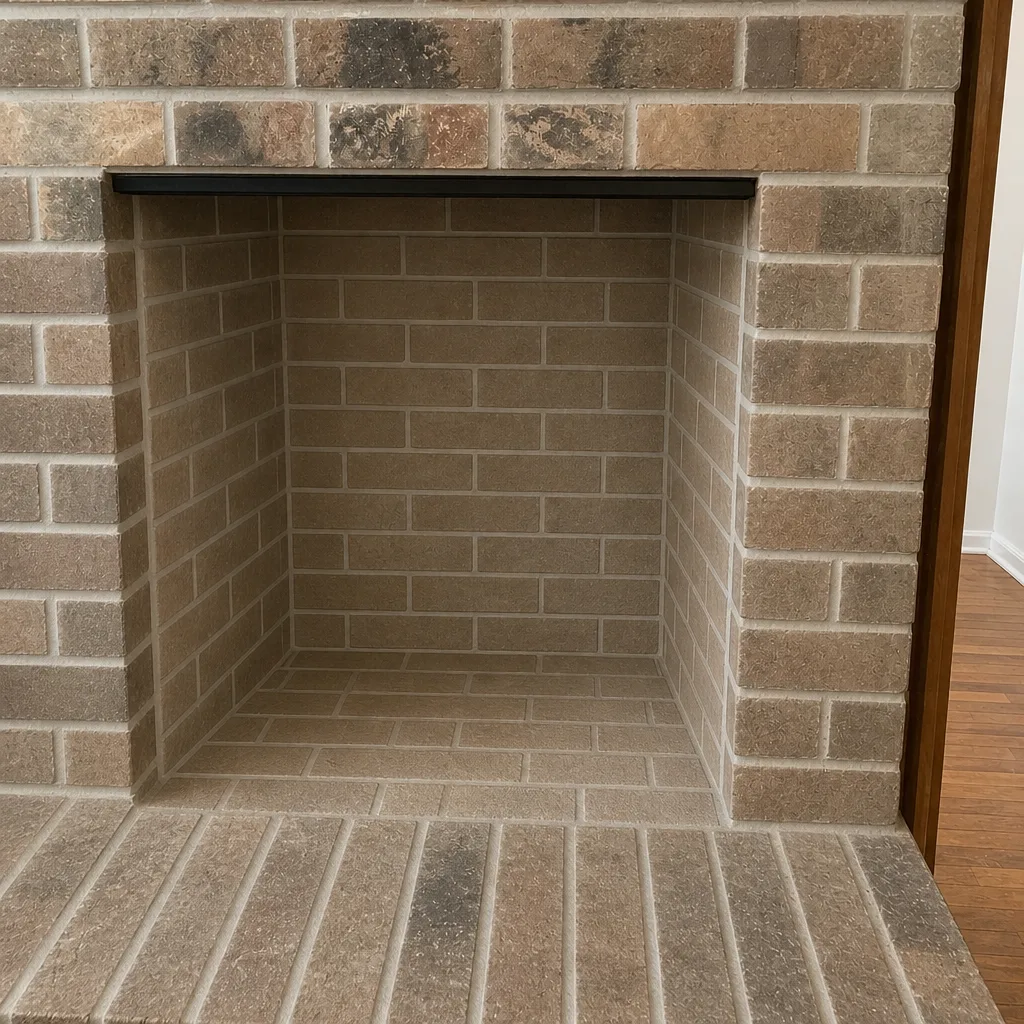
See the difference
 Before
 After
 Before
 After
 Before
 After
When to Call a Professional
Call a chimney professional if any of the following are true: your fireplace is in use but has started smoking back into the room; you’ve had a chimney fire or a suspected chimney fire; your carbon monoxide detector has sounded; you see water stains on the chimney, ceiling, or wall near the fireplace; your cap or crown is missing or visibly cracked; or your last inspection was more than a year ago. In each case the pattern is the same – a small problem that has started to show itself. A Level 2 inspection in the hands of a trained technician finds the cause and recommends the scope of repair, without guesswork. At Chimney Sweep Lake Highlands we offer free estimates in Lake Highlands – call (833) 508-9984. We answer 24/7, and dispatch runs from 7am to 7pm, Sunday through Friday.
Frequently Asked Questions
Once a year, or more often if you burn heavily. The industry standard is a sweep and inspection annually for any fireplace in regular use – and once the creosote layer reaches roughly an eighth of an inch, it’s a fire hazard and needs a sweep regardless of the calendar. In Lake Highlands, plan for a late-summer or early-fall sweep before the first burn of the season. Call (833) 508-9984 to schedule – estimates are free.
A standard sweep and Level 1 inspection is usually a small flat-priced service call. Chimney repairs, relining, and crown work are priced per job by a written estimate, given after the inspection. We don’t quote repairs over the phone – that’s how homeowners get talked into work they don’t need. Call (833) 508-9984 for a free estimate on the inspection; repairs are priced once we’ve seen the chimney.
A chimney fire typically sounds like a low roar or rumble with a persistent crackle and sometimes a tapping or popping sound from the flue. Fast chimney fires can be loud enough to sound distant but unmistakable; slow chimney fires are almost silent and often discovered later during inspection. If you hear any of those sounds during a fire, stop feeding the fire, get everyone outside, and call 911.
Signs of a past chimney fire include cracked or warped flue tiles, a puffy “honeycomb” texture in creosote along the flue (called puffball creosote), warped metal dampers, and discolored caps or crowns. These are only visible during an inspection. If you suspect a past fire, don’t relight until a Level 2 inspection clears the chimney. Call (833) 508-9984 to schedule one.
Yes – less often, but yes. Sweeps clear creosote, but a chimney fire can also be triggered by a bird’s nest, a blocked flue, or a sudden hot burn on a partially blocked chimney. That’s why the two-track approach in this guide matters: prevention through routine care, plus a pre-decided protocol for the event that happens anyway.
Put a CO alarm on every level of the home, plus one within ten to fifteen feet of the fireplace or the bedrooms it serves. That placement catches a slow flue leak without triggering false alarms from ordinary combustion. Test every detector at the start of burn season, and replace the batteries annually.
The Bottom Line
Chimney emergencies fall into two categories – the preventable and the unexpected. The preventable ones are handled with a pre-season inspection and sweep, a look at the cap and crown, and a working damper. The unexpected ones – a chimney fire, a CO event – need a pre-decided response: stop the fire, get everyone outside, call 911, and don’t relight until a Level 2 inspection confirms the chimney is safe. In Lake Highlands, mild winters give you a shorter burning season but not a free pass; fewer, hotter fires still lay down creosote, and time between uses still lets water in through a damaged cap. Know your schedule, know your specialist, and be ready for both.
Our technicians have up to 8 years of experience across sweeping, inspection, cap and crown work, fireplace repair, and structural chimney repair. We work with the material lines the trade trusts, including DuraFlex liner systems and HeatShield flue resurfacing. We also handle Famco and Copperfield cap and component work as part of a full scope from firebox to cap.
To schedule an inspection or a pre-season sweep, call (833) 508-9984. We answer 24/7. Fast dispatch from 7am to 7pm, Sunday through Friday. Estimates are free, and the local pro is licensed and insured as the state requires.
You can also start with Chimney Sweep Lake Highlands for a full view of the services we offer.
Written by the team at Chimney Sweep Lake Highlands.